Almost anyone can report a purity number. The tests that decide whether a vial is safe to handle are the ones most vendors quietly skip. Here is what a real protocol runs on every lot, and why each test is on the list.
There is a number every vendor loves to quote, and a number almost none of them will show you. The first is purity. The second is endotoxin.
Purity tells you how much of the powder is the right molecule. It says nothing about what else is in the vial. A batch can read 99 percent pure and still carry the bacterial byproduct that maps to the exact contamination a careful buyer worries about. That is why purity alone was never enough, and why a serious lab tests every lot six ways instead of one.
The category just lived through a vendor extinction event, and the lab tests that circulated afterward were not about potency. They were about what was in the vial that should not have been. If any of this is familiar, you already understand the gap.
That assumption is the exposure. A 2026 community report compiled from independent lab testing found that nearly one in three peptide products tested off target, and a New Yorker lab test of one popular vendor found roughly one in ten vials had purity, dosage, or sterility problems, including endotoxins. These are field reports, not peer-reviewed studies. But they all point at the same blind spot: the tests nobody runs.
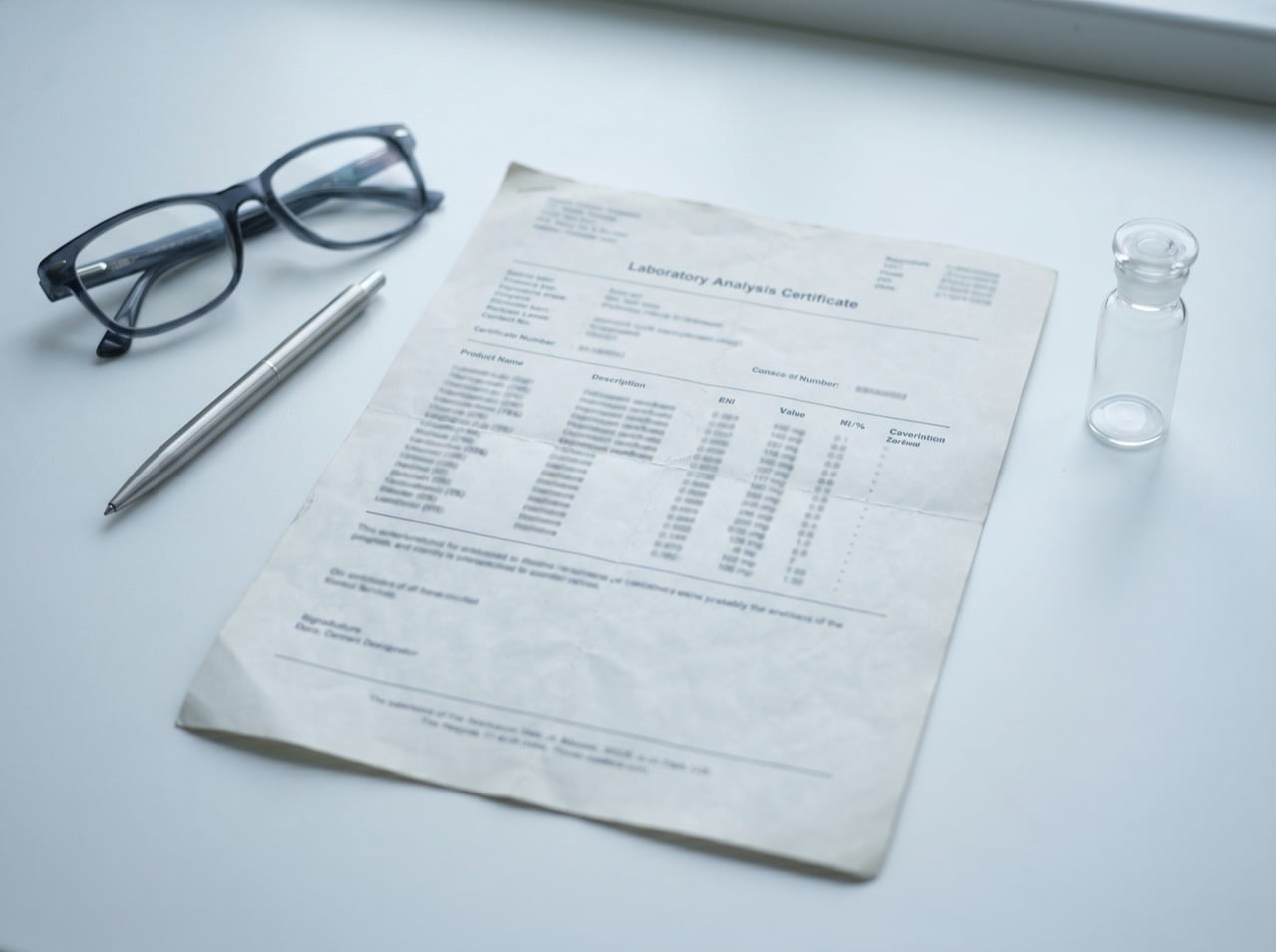
Here is the reframe that changes how you read every report. Purity answers "is it the right molecule." It does not answer "is it clean." Those are two different questions, measured by two different tests, and a vendor can ace the first while never asking the second.
Endotoxin and sterility are the safety questions. They are also the cheapest tests to leave off a report, which is exactly why they so often go missing. A real protocol answers both on every lot, so the report you read is complete rather than flattering.
Each test exists because it rules out a specific failure. Together they cover identity, strength, and safety, the three ways a vial can let you down.
A visual and reconstitution check. Color, clarity, and how the powder goes into solution. The first, cheapest signal that a lot is off before any instrument runs.
Mass spectrometry confirms the molecule is exactly the compound on the label. Without it, every other number describes the wrong thing.
HPLC measures how much of the sample is the target molecule, reported with the chromatogram so the number can be checked, not just claimed.
The actual milligrams in the vial, confirmed against the label. The line that catches underdosing, the most common quiet defect in the category.
The LAL test measures bacterial toxin load. This is the safety line others skip, the one that maps to the contamination buyers actually fear. A serious lab holds a 0% tolerance.
A pass or fail on microbial growth. It pairs with endotoxin to answer the "is it clean" question in full, not in part.
Nothing earns a published COA until it clears all six, in order. If any check fails, the lot does not move forward.
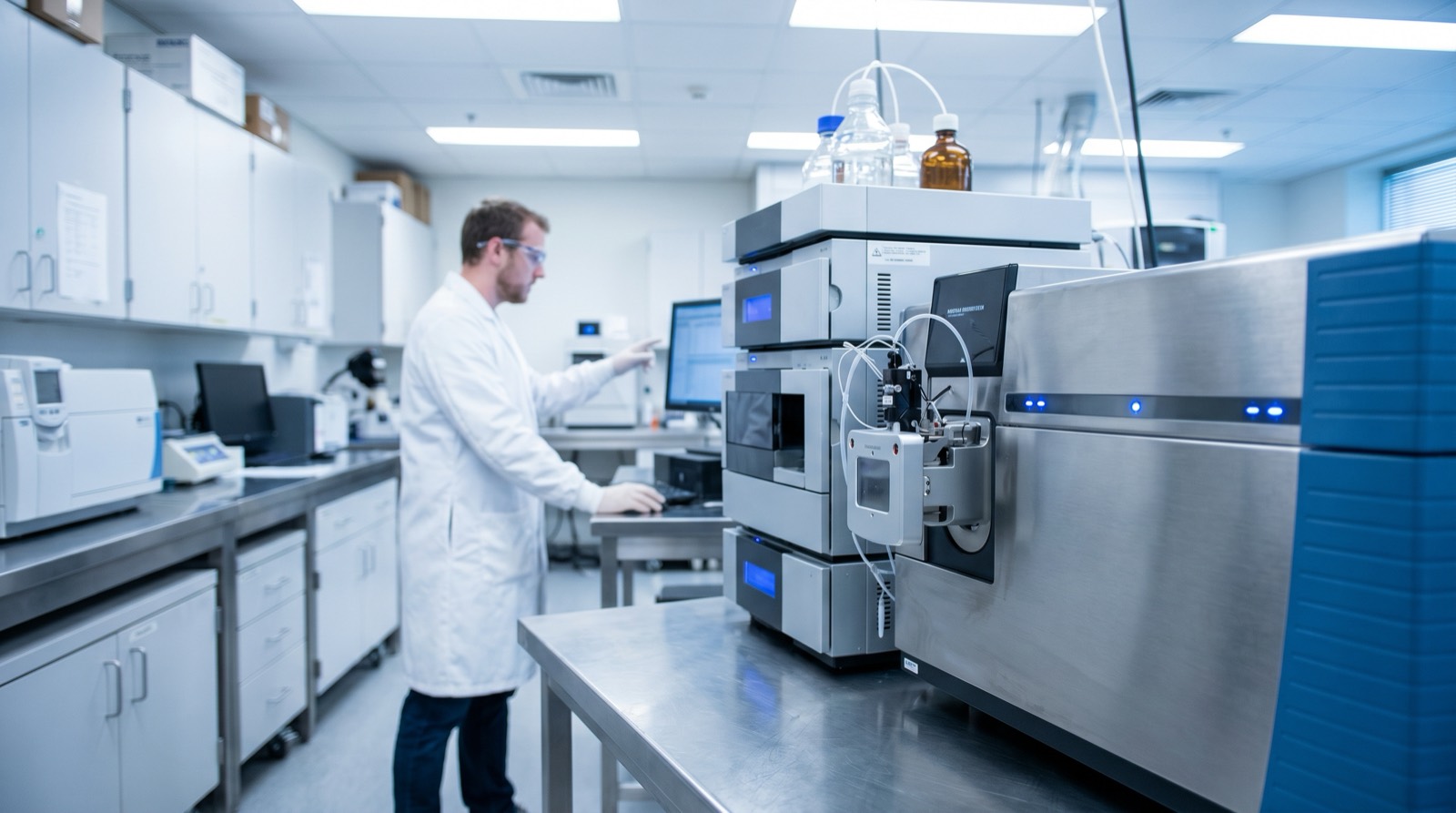
The 6-Point Verification Protocol is the standard every Licensed Peptides lot clears before it earns a published COA. It runs at an ISO/IEC 17025 accredited lab, and it is the reason they have been here five years while shortcut vendors disappeared. Third-party testing is performed by ISO/IEC 17025-accredited laboratories — Vanguard Laboratory (A2LA cert. 6377.01.01) and Ethos Analytics (cert. 117798).
Most vendors test purity because purity is cheap to report. These are the lines that separate a complete report from a flattering one.
See the full six-point report on every lot in the catalog, including the endotoxin and sterility lines other vendors leave off.
Browse lots and their COAsEvery Licensed Peptides lot publishes all six results from an ISO/IEC 17025 accredited lab, and every vial carries a scan-to-verify QR code tied to that exact lot. Nothing earns a COA until it clears all six checks.
Six checks per lot. Endotoxin and sterility included. Every result published.
You cannot copy content of this page
Third-party tested peptides, shipped cold from the U.S. in 1–2 days.
Shop all peptides