99%+ Purity
Guaranteed per batch

4.9 847 verified reviews

4.9 847 verified reviews
99%+ HPLC Purity —
Independently verified by accredited US laboratory
Endotoxin-Screened —
LAL tested, LPS-free, endotoxin report available
GMP-Certified Manufacturing —
USA facility, ISO 9001:2015
Lyophilized for Stability —
Shipped cold-packed, intact for reconstitution
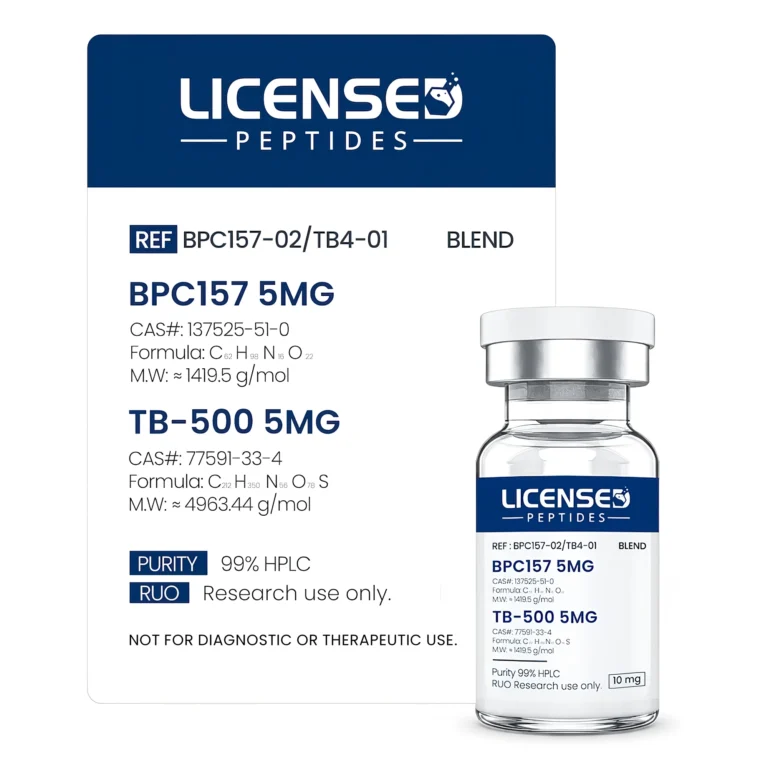
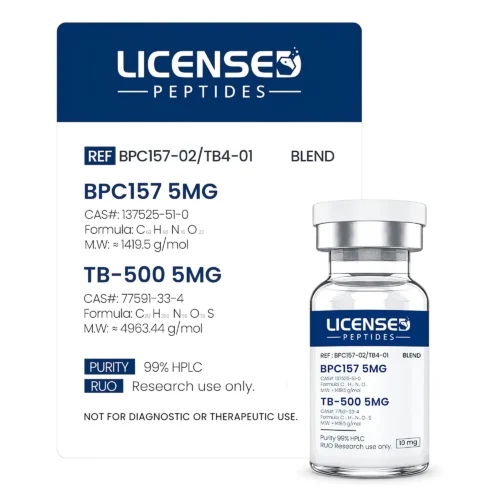
Our BPC-157 TB-500 Blend (Wolverine Stack) is a high-purity research peptide, made up of:
At Licensed Peptides, we supply TB-500 BPC-157 exclusively for laboratory and scientific research. The research-grade standards behind every batch include:
Research circles gave the combination of BPC-157 and TB-500 the nickname Wolverine Stack because of its function in tissue biology and cellular signaling. This name is a nod to the comic book character, Wolverine.
This blend is also listed under other names, such as Wolverine Stack Peptide, BPC-157 TB-500, or TB-500 BPC-157 blend.
| Product Name | BPC-157 TB-500 Blend |
| Peptide Components | BPC-157 + TB-500 (Thymosin Beta-4 Fragment) |
| Purity | 99%+ HPLC Verified |
| Form | Lyophilized Powder |
| Manufacturing | GMP-Compliant Facility |
| Testing | Third-Party Verified |
| Quality Control | Endotoxin Screened |
| Certificate of Analysis | Available |
| Storage | -20°C Long-Term |
| Application | Research Use Only |
We supply BPC-157 TB-500 blend strictly for research purposes. It’s not approved for human or veterinary use. Any discussion of biological activity in relation to BPC-157 TB-500 refers solely to analytical study, whether regarding preclinical or in vitro research.
| Sequence | GEPPPGKPADDAGLV |
|---|---|
| Molecular formula | C62H98N16O22 |
| Length | 15 amino acids |
| Form supplied | Lyophilized powder |
| Application | Research use only |
This blend is a laboratory research material used to examine how two peptides may interact with cellular signaling systems and structural pathway responses in controlled experimental models. References to biological effects are provided for scientific context only and must not be interpreted as claims of therapeutic, diagnostic, or clinical benefit. This product is not offered for human or veterinary use.
BPC-157 and TB-500 are research peptides used to study distinct but potentially complementary signaling pathways in laboratory models. BPC-157 is used in research to examine localized peptide signaling and cellular-response behavior, while TB-500 is used to study actin-related and structural pathway responses. Any references to tissues, cells, or pathways are provided for research context only and do not imply therapeutic or clinical use.
The two peptides in this blend are studied together in experimental models to compare localized signaling behavior with broader structural pathway responses. Published research context may discuss overlapping pathway activity, but such references are provided only for scientific context and do not represent therapeutic claims.
BPC-157 is a synthetic pentadecapeptide derived from a partial sequence of body-protection compound found in human gastric juice. TB-500 is the acetylated seven-residue active fragment of thymosin beta-4, a G-actin-sequestering protein present in most mammalian cell types. Both have independent research literature going back more than two decades.
BPC-157 is investigated for effects on growth-hormone receptor expression in fibroblasts, on the nitric-oxide system, and on angiogenic signalling in tendon and gastrointestinal models. TB-500 is investigated for actin sequestration and the resulting effects on cell migration, and for integrin-linked kinase activation in cardiac models. Pairing them lets investigators separate angiogenic from migratory contributions in the same experimental system.
In laboratory and educational research, peptide blends are often used to explore complex biological responses that involve more than one pathway. This blend is designed to support multi-pathway observation under controlled experimental conditions. Researchers may use it to examine how localized cellular activity interacts with broader structural or signaling pathways. The material is intended for experimental use only and does not imply human or animal benefit.
In wound-healing models, fibroblasts form new extracellular matrix and immune cells move to the injury site. This process, known as cell migration, relies on actin dynamics within the cell’s cytoskeleton.
Used together in experimental models, BPC‑157 and TB‑500 are studied for their combined influence on the production and mobilization of actin filaments.
There’s also a hormonal dimension to their interplay:
In these models the two peptides are examined side by side: BPC‑157 for fibroblast hormone-receptor expression, TB‑500 for actin availability and cell migration.
Wolverine Blend may be used in laboratory studies involving:
All uses are limited to research settings only. This product is not intended for human or animal use.
Published literature describes both components in controlled experimental settings, predominantly rodent and cell-culture models. Those observations are summarised here as research context only and are not claims of safety, effectiveness or suitability for human or veterinary use.
Dr. Chung Hsun Chang is a biomedical researcher who has made important contributions to the field of regenerative medicine, particularly in studying the therapeutic potential of peptides such as BPC-157. He is affiliated with several academic and clinical institutions in Taiwan, including National Taiwan University Hospital and Chang Gung University. His research focuses on how peptides influence cellular behavior, especially in the context of tendon healing and soft tissue regeneration.
One of Dr. Chang’s most recognized studies was published in the Journal of Applied Physiology in 2011. In this work, he and his team investigated the effects of BPC-157 on tendon fibroblasts, which are essential cells for extracellular matrix production and tissue repair. The study showed that BPC-157 significantly promoted fibroblast outgrowth and migration, even under oxidative stress conditions. These beneficial effects were linked to enhanced formation of filamentous actin (F-actin) and activation of key cytoskeletal signaling pathways, including focal adhesion kinase (FAK) and paxillin. This suggests that BPC-157 supports cellular reorganization, which plays a crucial role in the ability of fibroblasts to move to and repair damaged tissue.
In a follow-up study published in Molecules in 2014, Chang explored how BPC-157 interacts with the growth hormone receptor (GHR) in tendon fibroblasts. The research demonstrated that BPC-157 increased both mRNA and protein levels of the receptor in a time- and dose-dependent manner. The observed cellular response was associated with activation of the JAK2 signaling pathway, which is a known mediator of growth hormone activity.
Taken together, Chang’s research provides valuable insights into the biological mechanisms by which BPC-157 may promote healing. His findings have contributed to the growing interest in peptides as potential therapeutic agents for tendon injuries and other soft tissue disorders. Chung Hsun Chang has no affiliation with Licensed Peptides. He is referenced here solely to recognize and honor his scientific contributions. The inclusion of his work is intended for educational and academic purposes only.
For laboratory research use only. Products on this website are intended solely for in-vitro research. They are not medicines, have not been evaluated by the FDA, and are not intended to diagnose, treat, cure, or prevent any disease. Any administration to humans or animals is strictly prohibited.


Proper storage of the BPC-157 TB-500 blend is important for maintaining peptide integrity, stability, and quality throughout its intended shelf life. Like other high-purity research peptides, this blend is supplied in a lyophilized (freeze-dried) format to support stability during transportation, storage, and laboratory handling.
When stored appropriately, lyophilized peptides can remain stable for extended periods while maintaining the characteristics researchers expect from a high-quality research compound.
Lyophilization, also called freeze-drying, is a specialized dehydration process used to improve the stability of sensitive peptide compounds. During lyophilization, peptides are frozen and exposed to controlled low-pressure conditions. This process removes moisture through sublimation, allowing water to transition directly from a solid state to a gas without passing through a liquid phase.
The result is a stable, dry peptide powder that is easier to transport, store, and handle within laboratory environments. Because of this, lyophilization remains the industry standard for many research peptides, including BPC-157 and TB-500 blends.
Prior to reconstitution, store the BPC-157 TB-500 blend in accordance with accepted peptide-handling practices and laboratory protocols.
Researchers commonly store lyophilized peptides in cool, dry environments protected from excessive heat, humidity, and direct light exposure.
Maintaining stable environmental conditions helps reduce unnecessary stress on the peptide structure and supports long-term product integrity.
For short-term laboratory use, lyophilized BPC-157 TB-500 peptides may generally remain stable when stored in a cool, controlled environment.
Researchers often refrigerate products below 4°C (39°F) when planning to use them within the near future.
Short-term storage considerations include:
For extended storage periods, freezer conditions are generally recommended.
Researchers commonly store lyophilized BPC-157 TB-500 peptide preparations at temperatures of -20°C or below to help preserve stability over longer periods.
For laboratories conducting long-term studies or maintaining inventory for future projects, colder storage conditions may provide additional protection against degradation.
Recommended long-term storage conditions include:
Once you reconstitute the BPC-157 TB-500 blend using bacteriostatic water, storage requirements become more important.
Reconstituted peptides are generally more sensitive to environmental conditions than their lyophilized counterparts.
Researchers commonly store reconstituted peptide solutions under refrigeration at temperatures between 2°C and 8°C (36°F–46°F).
Best Practices After Reconstitution:
Important: If cloudiness, discoloration, or visible particulate matter appear, researchers should review laboratory protocols and handling procedures before continuing use.
One of the most widely accepted peptide-storage recommendations involves minimizing repeated freeze-thaw cycles.
Frequent temperature changes may place unnecessary stress on BPC-157 TB-500 peptide structures and can introduce variability into research workflows. Researchers conducting long-term projects often divide reconstituted solutions into smaller aliquots to reduce repeated handling and exposure to temperature fluctuations.
This approach can help support consistency across experimental procedures and preserve sample integrity.
Lyophilized Blend:
• Short-Term: Refrigerated below 4°C (39°F)
Reconstituted Blend:
Wolverine stack peptide, the BPC-157 TB-500 blend, is supplied exclusively for laboratory research purposes. Researchers should follow applicable laboratory procedures, storage protocols, and handling guidelines when storing peptide materials. This product is not intended for human consumption, clinical use, therapeutic applications, veterinary use, or diagnostic purposes.
For laboratory research use only. Not for human or veterinary use.

Our BPC-157 TB-500 blend is produced exclusively for laboratory and scientific research purposes.
Licensed Peptides™ products are developed using industry-standard synthesis, purification, and quality-control protocols. They’re suitable for in vitro research, analytical testing, and experimental models. Every batch supports consistency, reproducibility, and reliability across research environments.
Every batch of our BPC-157 TB-500 blend undergoes comprehensive quality-control procedures before release.
These procedures help ensure researchers receive a consistent peptide preparation across projects, experimental models, and long-term studies.
Reproducibility remains one of the most important principles in scientific research.
Variations in peptide quality, purity, or manufacturing standards can introduce unnecessary variables into experimental workflows. We maintain strict quality-control procedures and batch verification standards, so researchers can work with confidence knowing that each lot meets established analytical specifications.
Researchers are interested in the BPC-157 TB-500 blend because each peptide appears to interact with different but potentially complementary biological pathways.
Published literature suggests that BPC-157 may influence nitric oxide signaling, growth-factor communication, and angiogenesis-related pathways, while TB-500 has been investigated for its relationship to actin regulation, cellular migration, and cytoskeletal organization.
Because these pathways intersect within broader cellular communication networks, laboratory researchers have explored BPC-157 and TB-500 together in studies involving:
Note: Researchers do not study the TB-500 BPC-157 blend because of a single isolated mechanism. Scientific interest in the Wolverine Stack peptide stems from a multi-pathway research approach rather than any single biological mechanism.
Researchers continue to investigate the BPC-157 TB-500 Blend because both peptides appear to influence multiple biological signaling pathways rather than a single molecular target.
Published studies have explored BPC-157 in relation to cellular signaling pathways, including Vascular Endothelial Growth Factor (VEGF) signaling. Researchers continue to investigate these pathways to better understand cellular communication and molecular regulation in laboratory models.
Nitric oxide (NO) functions as an important cellular messenger involved in biological communication networks. Research suggests that BPC-157 may interact with nitric oxide-related pathways,1,2 making it an ongoing area of scientific investigation.
TB-500 research frequently focuses on actin, a structural protein involved in cellular organization and movement. Researchers continue to investigate how actin-regulated pathways influence cellular migration, communication, and cytoskeletal dynamics.
Researchers have also explored how BPC-157 and TB-500 interact with pathways related to cytoskeletal organization and extracellular matrix regulation. These systems play important roles in cellular structure, communication, and tissue biology, making them key areas of interest in peptide research.
Scientific interest in the Wolverine Stack peptide continues to grow as researchers explore increasingly complex biological systems and signaling networks.
The current published data primarily consists of:
These studies continue to improve scientific understanding of how BPC-157 and TB-500 interact with cellular communication networks and biological signaling pathways.
The BPC-157 TB-500 blend is supplied exclusively for laboratory research purposes.
This product is not intended for human consumption, therapeutic use, clinical application, veterinary use, or diagnostic procedures. Any discussion of biological activity refers solely to laboratory, analytical, and preclinical research findings.
For laboratory research use only. Not for human or veterinary use.
At Licensed Peptides™, quality isn’t a claim, it’s a controlled, repeatable process.
Our BPC-157 TB-500 blend is manufactured according to strict quality-control standards designed to support consistency, purity, and reliability across laboratory research applications.
For researchers seeking a trusted source for BPC-157 and TB-500, transparency and analytical verification remain central to everything we do.
All BPC-157 TB-500 blend products are synthesized in controlled production environments designed to ensure batch consistency and minimize the risk of contamination. Strict environmental controls, validated procedures, and documented manufacturing standards help ensure every batch meets established quality specifications before release.
Every batch of our BPC-157 TB-500 blend undergoes High-Performance Liquid Chromatography (HPLC) testing to verify purity and consistency. Purity verification is one of the most important quality indicators researchers consider when sourcing peptides, as it helps reduce unwanted variables during laboratory investigations.
We believe quality claims should be supported by objective verification. Each batch undergoes independent analytical testing to confirm identity, purity, and quality specifications. This additional layer of verification helps support confidence in research outcomes and procurement decisions.
Endotoxin contamination can introduce unwanted variables into laboratory workflows. To support research integrity, our peptide blends undergo endotoxin screening as part of our quality-control process. Analytical testing helps verify that products meet established specifications before release.
Quality begins long before synthesis. Our manufacturing process starts with carefully sourced raw materials selected according to strict quality standards. Every component used during production is evaluated to support consistency at the molecular level.
All peptide blends are supplied in a lyophilized (freeze-dried) format. Lyophilization helps maintain peptide stability during storage, transportation, and laboratory handling by removing moisture while preserving structural integrity. This allows researchers to receive a stable peptide preparation suitable for long-term storage and controlled reconstitution procedures.
Every vial is sealed to help protect against oxygen exposure and environmental moisture. This additional protection helps preserve peptide integrity throughout storage, shipment, and laboratory use.
Every lot is supported by detailed analytical documentation. Researchers can review batch-specific quality information, including purity verification and testing results, providing greater transparency throughout the purchasing process.
Researchers rely on consistency. From peptide synthesis and purification to analytical testing and fulfillment, every stage of our process is designed to support researchers who require dependable products, transparent documentation, and repeatable quality standards.
Note: When sourcing a BPC-157 TB-500 blend or researching the Wolverine Stack peptide, focus on verified quality, documented testing, and reliable fulfillment.
For laboratory research use only. Not for human or veterinary use.
Paid, in-stock orders placed before our 4:00 PM PST cut-off are typically shipped the same business day from within the United States.
We use expedited domestic carriers for delivery within the United States. Shipping times are estimates and delivery dates are not guaranteed.
All BPC-157 TB-500 blends are stored in industrial-grade freezers prior to shipment to maintain stability and purity.
Each BPC-157 TB-500 blend order is packaged to help protect against:
Protective packaging helps ensure products arrive in the same condition they left our facility.
You’ll receive tracking information immediately upon shipment so you can monitor delivery progress.
No long international delays, no customs issues. Just fast, dependable delivery from a U.S.-based operation.
For laboratory research use only. Not for human or veterinary use.
| pack | 1 pack, 3 pack, 5 pack, 10 pack |
|---|
Our BPC-157 TB-500 Blend (Wolverine Stack) is a high-purity research peptide, made up of:
At Licensed Peptides, we supply TB-500 BPC-157 exclusively for laboratory and scientific research. The research-grade standards behind every batch include:
Research circles gave the combination of BPC-157 and TB-500 the nickname Wolverine Stack because of its function in tissue biology and cellular signaling. This name is a nod to the comic book character, Wolverine.
This blend is also listed under other names, such as Wolverine Stack Peptide, BPC-157 TB-500, or TB-500 BPC-157 blend.
| Product Name | BPC-157 TB-500 Blend |
| Peptide Components | BPC-157 + TB-500 (Thymosin Beta-4 Fragment) |
| Purity | 99%+ HPLC Verified |
| Form | Lyophilized Powder |
| Manufacturing | GMP-Compliant Facility |
| Testing | Third-Party Verified |
| Quality Control | Endotoxin Screened |
| Certificate of Analysis | Available |
| Storage | -20°C Long-Term |
| Application | Research Use Only |
We supply BPC-157 TB-500 blend strictly for research purposes. It’s not approved for human or veterinary use. Any discussion of biological activity in relation to BPC-157 TB-500 refers solely to analytical study, whether regarding preclinical or in vitro research.
| Sequence | GEPPPGKPADDAGLV |
|---|---|
| Molecular formula | C62H98N16O22 |
| Length | 15 amino acids |
| Form supplied | Lyophilized powder |
| Application | Research use only |
This blend is a laboratory research material used to examine how two peptides may interact with cellular signaling systems and structural pathway responses in controlled experimental models. References to biological effects are provided for scientific context only and must not be interpreted as claims of therapeutic, diagnostic, or clinical benefit. This product is not offered for human or veterinary use.
BPC-157 and TB-500 are research peptides used to study distinct but potentially complementary signaling pathways in laboratory models. BPC-157 is used in research to examine localized peptide signaling and cellular-response behavior, while TB-500 is used to study actin-related and structural pathway responses. Any references to tissues, cells, or pathways are provided for research context only and do not imply therapeutic or clinical use.
The two peptides in this blend are studied together in experimental models to compare localized signaling behavior with broader structural pathway responses. Published research context may discuss overlapping pathway activity, but such references are provided only for scientific context and do not represent therapeutic claims.
BPC-157 is a synthetic pentadecapeptide derived from a partial sequence of body-protection compound found in human gastric juice. TB-500 is the acetylated seven-residue active fragment of thymosin beta-4, a G-actin-sequestering protein present in most mammalian cell types. Both have independent research literature going back more than two decades.
BPC-157 is investigated for effects on growth-hormone receptor expression in fibroblasts, on the nitric-oxide system, and on angiogenic signalling in tendon and gastrointestinal models. TB-500 is investigated for actin sequestration and the resulting effects on cell migration, and for integrin-linked kinase activation in cardiac models. Pairing them lets investigators separate angiogenic from migratory contributions in the same experimental system.
In laboratory and educational research, peptide blends are often used to explore complex biological responses that involve more than one pathway. This blend is designed to support multi-pathway observation under controlled experimental conditions. Researchers may use it to examine how localized cellular activity interacts with broader structural or signaling pathways. The material is intended for experimental use only and does not imply human or animal benefit.
In wound-healing models, fibroblasts form new extracellular matrix and immune cells move to the injury site. This process, known as cell migration, relies on actin dynamics within the cell’s cytoskeleton.
Used together in experimental models, BPC‑157 and TB‑500 are studied for their combined influence on the production and mobilization of actin filaments.
There’s also a hormonal dimension to their interplay:
In these models the two peptides are examined side by side: BPC‑157 for fibroblast hormone-receptor expression, TB‑500 for actin availability and cell migration.
Wolverine Blend may be used in laboratory studies involving:
All uses are limited to research settings only. This product is not intended for human or animal use.
Published literature describes both components in controlled experimental settings, predominantly rodent and cell-culture models. Those observations are summarised here as research context only and are not claims of safety, effectiveness or suitability for human or veterinary use.
Dr. Chung Hsun Chang is a biomedical researcher who has made important contributions to the field of regenerative medicine, particularly in studying the therapeutic potential of peptides such as BPC-157. He is affiliated with several academic and clinical institutions in Taiwan, including National Taiwan University Hospital and Chang Gung University. His research focuses on how peptides influence cellular behavior, especially in the context of tendon healing and soft tissue regeneration.
One of Dr. Chang’s most recognized studies was published in the Journal of Applied Physiology in 2011. In this work, he and his team investigated the effects of BPC-157 on tendon fibroblasts, which are essential cells for extracellular matrix production and tissue repair. The study showed that BPC-157 significantly promoted fibroblast outgrowth and migration, even under oxidative stress conditions. These beneficial effects were linked to enhanced formation of filamentous actin (F-actin) and activation of key cytoskeletal signaling pathways, including focal adhesion kinase (FAK) and paxillin. This suggests that BPC-157 supports cellular reorganization, which plays a crucial role in the ability of fibroblasts to move to and repair damaged tissue.
In a follow-up study published in Molecules in 2014, Chang explored how BPC-157 interacts with the growth hormone receptor (GHR) in tendon fibroblasts. The research demonstrated that BPC-157 increased both mRNA and protein levels of the receptor in a time- and dose-dependent manner. The observed cellular response was associated with activation of the JAK2 signaling pathway, which is a known mediator of growth hormone activity.
Taken together, Chang’s research provides valuable insights into the biological mechanisms by which BPC-157 may promote healing. His findings have contributed to the growing interest in peptides as potential therapeutic agents for tendon injuries and other soft tissue disorders. Chung Hsun Chang has no affiliation with Licensed Peptides. He is referenced here solely to recognize and honor his scientific contributions. The inclusion of his work is intended for educational and academic purposes only.
For laboratory research use only. Products on this website are intended solely for in-vitro research. They are not medicines, have not been evaluated by the FDA, and are not intended to diagnose, treat, cure, or prevent any disease. Any administration to humans or animals is strictly prohibited.
Proper storage of the BPC-157 TB-500 blend is important for maintaining peptide integrity, stability, and quality throughout its intended shelf life. Like other high-purity research peptides, this blend is supplied in a lyophilized (freeze-dried) format to support stability during transportation, storage, and laboratory handling.
When stored appropriately, lyophilized peptides can remain stable for extended periods while maintaining the characteristics researchers expect from a high-quality research compound.
Lyophilization, also called freeze-drying, is a specialized dehydration process used to improve the stability of sensitive peptide compounds. During lyophilization, peptides are frozen and exposed to controlled low-pressure conditions. This process removes moisture through sublimation, allowing water to transition directly from a solid state to a gas without passing through a liquid phase.
The result is a stable, dry peptide powder that is easier to transport, store, and handle within laboratory environments. Because of this, lyophilization remains the industry standard for many research peptides, including BPC-157 and TB-500 blends.
Prior to reconstitution, store the BPC-157 TB-500 blend in accordance with accepted peptide-handling practices and laboratory protocols.
Researchers commonly store lyophilized peptides in cool, dry environments protected from excessive heat, humidity, and direct light exposure.
Maintaining stable environmental conditions helps reduce unnecessary stress on the peptide structure and supports long-term product integrity.
For short-term laboratory use, lyophilized BPC-157 TB-500 peptides may generally remain stable when stored in a cool, controlled environment.
Researchers often refrigerate products below 4°C (39°F) when planning to use them within the near future.
Short-term storage considerations include:
For extended storage periods, freezer conditions are generally recommended.
Researchers commonly store lyophilized BPC-157 TB-500 peptide preparations at temperatures of -20°C or below to help preserve stability over longer periods.
For laboratories conducting long-term studies or maintaining inventory for future projects, colder storage conditions may provide additional protection against degradation.
Recommended long-term storage conditions include:
Once you reconstitute the BPC-157 TB-500 blend using bacteriostatic water, storage requirements become more important.
Reconstituted peptides are generally more sensitive to environmental conditions than their lyophilized counterparts.
Researchers commonly store reconstituted peptide solutions under refrigeration at temperatures between 2°C and 8°C (36°F–46°F).
Best Practices After Reconstitution:
Important: If cloudiness, discoloration, or visible particulate matter appear, researchers should review laboratory protocols and handling procedures before continuing use.
One of the most widely accepted peptide-storage recommendations involves minimizing repeated freeze-thaw cycles.
Frequent temperature changes may place unnecessary stress on BPC-157 TB-500 peptide structures and can introduce variability into research workflows. Researchers conducting long-term projects often divide reconstituted solutions into smaller aliquots to reduce repeated handling and exposure to temperature fluctuations.
This approach can help support consistency across experimental procedures and preserve sample integrity.
Lyophilized Blend:
• Short-Term: Refrigerated below 4°C (39°F)
Reconstituted Blend:
Wolverine stack peptide, the BPC-157 TB-500 blend, is supplied exclusively for laboratory research purposes. Researchers should follow applicable laboratory procedures, storage protocols, and handling guidelines when storing peptide materials. This product is not intended for human consumption, clinical use, therapeutic applications, veterinary use, or diagnostic purposes.
For laboratory research use only. Not for human or veterinary use.
Our BPC-157 TB-500 blend is produced exclusively for laboratory and scientific research purposes.
Licensed Peptides™ products are developed using industry-standard synthesis, purification, and quality-control protocols. They’re suitable for in vitro research, analytical testing, and experimental models. Every batch supports consistency, reproducibility, and reliability across research environments.
Every batch of our BPC-157 TB-500 blend undergoes comprehensive quality-control procedures before release.
These procedures help ensure researchers receive a consistent peptide preparation across projects, experimental models, and long-term studies.
Reproducibility remains one of the most important principles in scientific research.
Variations in peptide quality, purity, or manufacturing standards can introduce unnecessary variables into experimental workflows. We maintain strict quality-control procedures and batch verification standards, so researchers can work with confidence knowing that each lot meets established analytical specifications.
Researchers are interested in the BPC-157 TB-500 blend because each peptide appears to interact with different but potentially complementary biological pathways.
Published literature suggests that BPC-157 may influence nitric oxide signaling, growth-factor communication, and angiogenesis-related pathways, while TB-500 has been investigated for its relationship to actin regulation, cellular migration, and cytoskeletal organization.
Because these pathways intersect within broader cellular communication networks, laboratory researchers have explored BPC-157 and TB-500 together in studies involving:
Note: Researchers do not study the TB-500 BPC-157 blend because of a single isolated mechanism. Scientific interest in the Wolverine Stack peptide stems from a multi-pathway research approach rather than any single biological mechanism.
Researchers continue to investigate the BPC-157 TB-500 Blend because both peptides appear to influence multiple biological signaling pathways rather than a single molecular target.
Published studies have explored BPC-157 in relation to cellular signaling pathways, including Vascular Endothelial Growth Factor (VEGF) signaling. Researchers continue to investigate these pathways to better understand cellular communication and molecular regulation in laboratory models.
Nitric oxide (NO) functions as an important cellular messenger involved in biological communication networks. Research suggests that BPC-157 may interact with nitric oxide-related pathways,1,2 making it an ongoing area of scientific investigation.
TB-500 research frequently focuses on actin, a structural protein involved in cellular organization and movement. Researchers continue to investigate how actin-regulated pathways influence cellular migration, communication, and cytoskeletal dynamics.
Researchers have also explored how BPC-157 and TB-500 interact with pathways related to cytoskeletal organization and extracellular matrix regulation. These systems play important roles in cellular structure, communication, and tissue biology, making them key areas of interest in peptide research.
Scientific interest in the Wolverine Stack peptide continues to grow as researchers explore increasingly complex biological systems and signaling networks.
The current published data primarily consists of:
These studies continue to improve scientific understanding of how BPC-157 and TB-500 interact with cellular communication networks and biological signaling pathways.
The BPC-157 TB-500 blend is supplied exclusively for laboratory research purposes.
This product is not intended for human consumption, therapeutic use, clinical application, veterinary use, or diagnostic procedures. Any discussion of biological activity refers solely to laboratory, analytical, and preclinical research findings.
For laboratory research use only. Not for human or veterinary use.
At Licensed Peptides™, quality isn’t a claim, it’s a controlled, repeatable process.
Our BPC-157 TB-500 blend is manufactured according to strict quality-control standards designed to support consistency, purity, and reliability across laboratory research applications.
For researchers seeking a trusted source for BPC-157 and TB-500, transparency and analytical verification remain central to everything we do.
All BPC-157 TB-500 blend products are synthesized in controlled production environments designed to ensure batch consistency and minimize the risk of contamination. Strict environmental controls, validated procedures, and documented manufacturing standards help ensure every batch meets established quality specifications before release.
Every batch of our BPC-157 TB-500 blend undergoes High-Performance Liquid Chromatography (HPLC) testing to verify purity and consistency. Purity verification is one of the most important quality indicators researchers consider when sourcing peptides, as it helps reduce unwanted variables during laboratory investigations.
We believe quality claims should be supported by objective verification. Each batch undergoes independent analytical testing to confirm identity, purity, and quality specifications. This additional layer of verification helps support confidence in research outcomes and procurement decisions.
Endotoxin contamination can introduce unwanted variables into laboratory workflows. To support research integrity, our peptide blends undergo endotoxin screening as part of our quality-control process. Analytical testing helps verify that products meet established specifications before release.
Quality begins long before synthesis. Our manufacturing process starts with carefully sourced raw materials selected according to strict quality standards. Every component used during production is evaluated to support consistency at the molecular level.
All peptide blends are supplied in a lyophilized (freeze-dried) format. Lyophilization helps maintain peptide stability during storage, transportation, and laboratory handling by removing moisture while preserving structural integrity. This allows researchers to receive a stable peptide preparation suitable for long-term storage and controlled reconstitution procedures.
Every vial is sealed to help protect against oxygen exposure and environmental moisture. This additional protection helps preserve peptide integrity throughout storage, shipment, and laboratory use.
Every lot is supported by detailed analytical documentation. Researchers can review batch-specific quality information, including purity verification and testing results, providing greater transparency throughout the purchasing process.
Researchers rely on consistency. From peptide synthesis and purification to analytical testing and fulfillment, every stage of our process is designed to support researchers who require dependable products, transparent documentation, and repeatable quality standards.
Note: When sourcing a BPC-157 TB-500 blend or researching the Wolverine Stack peptide, focus on verified quality, documented testing, and reliable fulfillment.
For laboratory research use only. Not for human or veterinary use.
Paid, in-stock orders placed before our 4:00 PM PST cut-off are typically shipped the same business day from within the United States.
We use expedited domestic carriers for delivery within the United States. Shipping times are estimates and delivery dates are not guaranteed.
All BPC-157 TB-500 blends are stored in industrial-grade freezers prior to shipment to maintain stability and purity.
Each BPC-157 TB-500 blend order is packaged to help protect against:
Protective packaging helps ensure products arrive in the same condition they left our facility.
You’ll receive tracking information immediately upon shipment so you can monitor delivery progress.
No long international delays, no customs issues. Just fast, dependable delivery from a U.S.-based operation.
For laboratory research use only. Not for human or veterinary use.
| pack | 1 pack, 3 pack, 5 pack, 10 pack |
|---|
Guaranteed per batch

Independent lab verified

Vanguard Laboratory · ISO/IEC 17025

USA-manufactured

Free FedEx on $200+
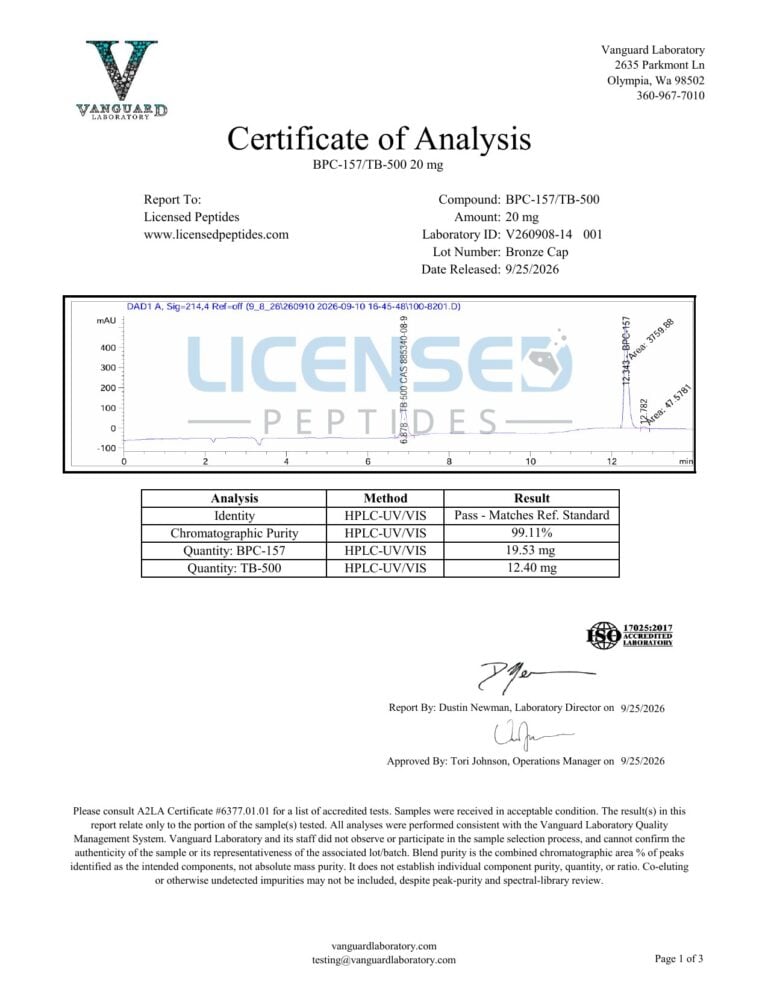
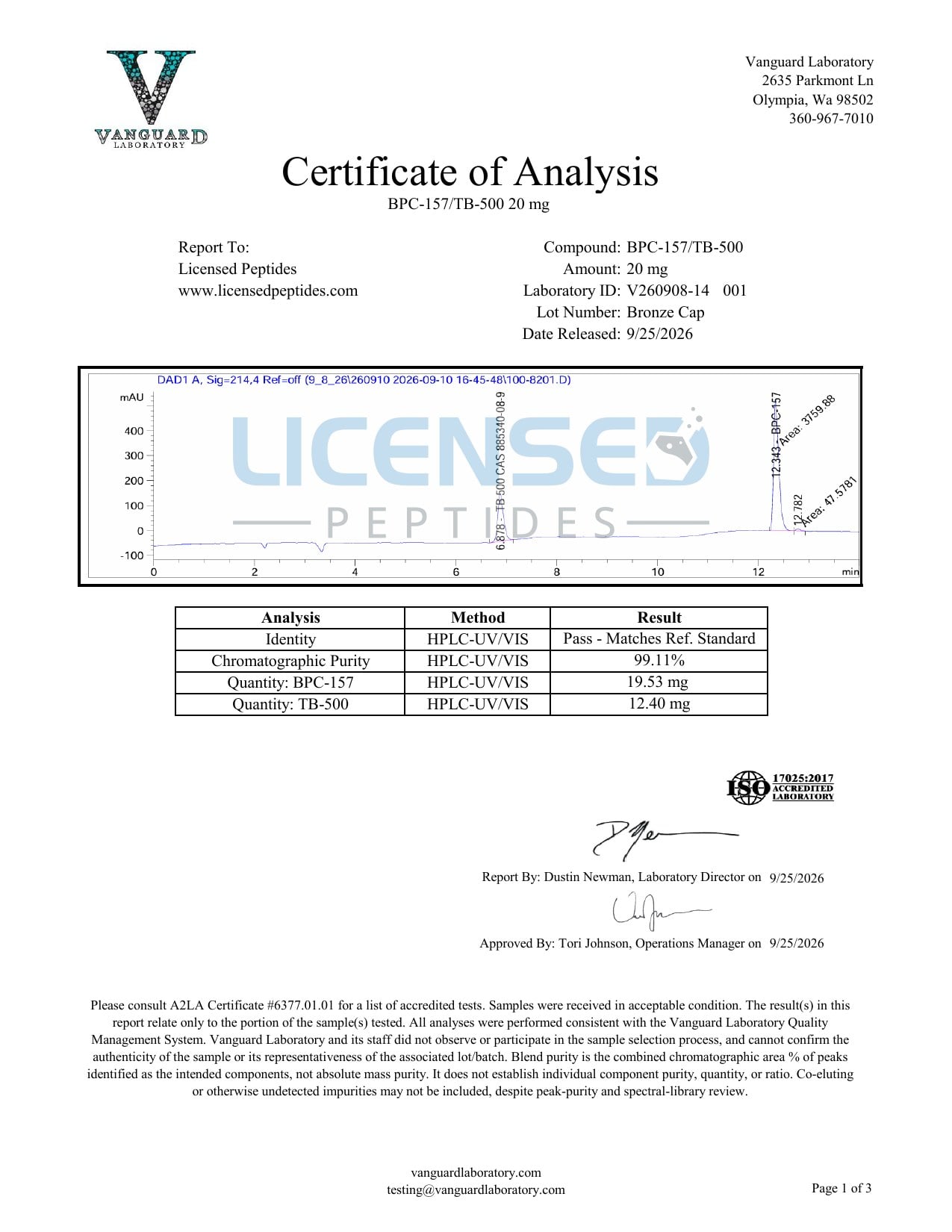
Every BPC-157 TB-500 blend batch undergoes independent analytical testing before release.
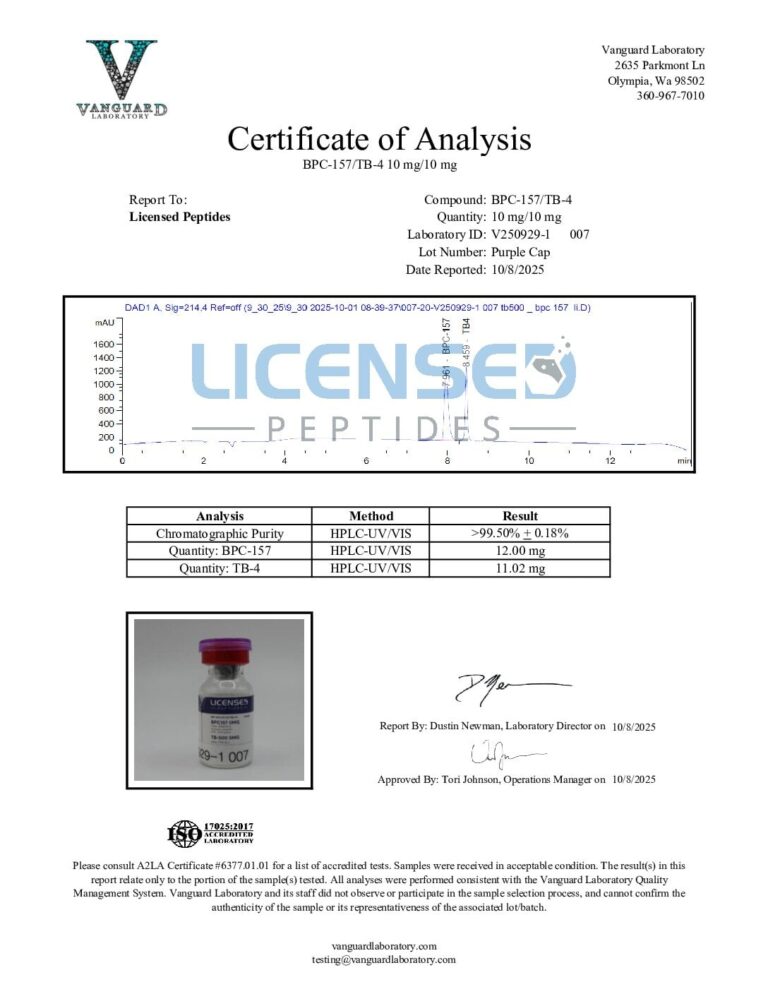
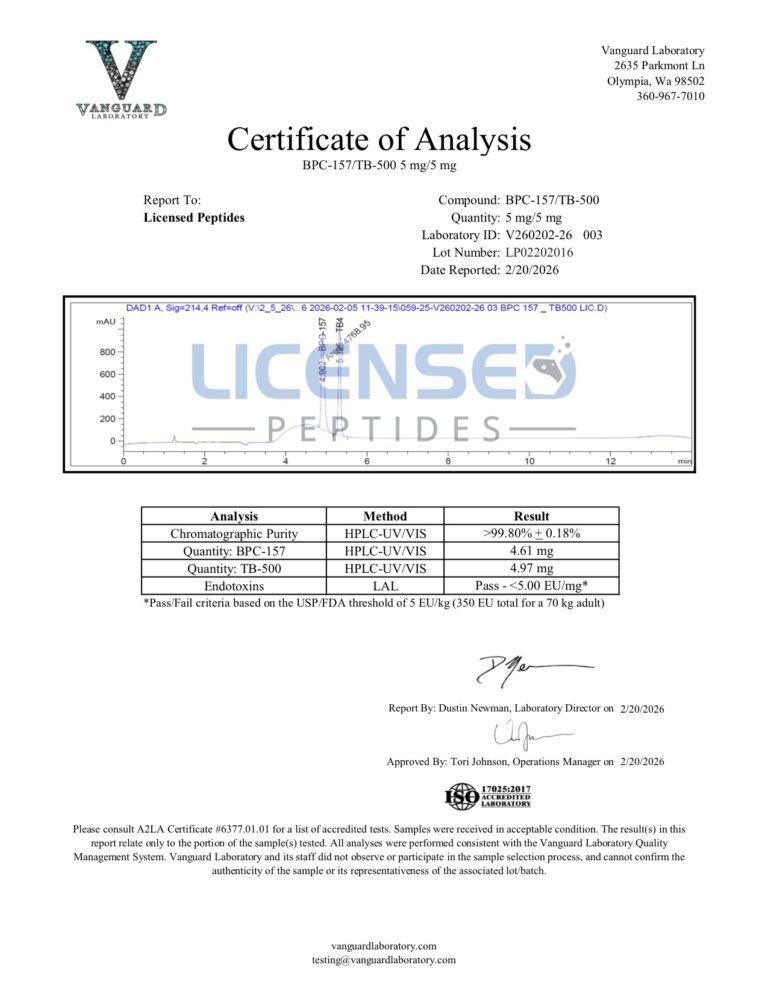
 99.11% — chromatographic purity
Pass — matches reference standard
19.53 mg
12.40 mg
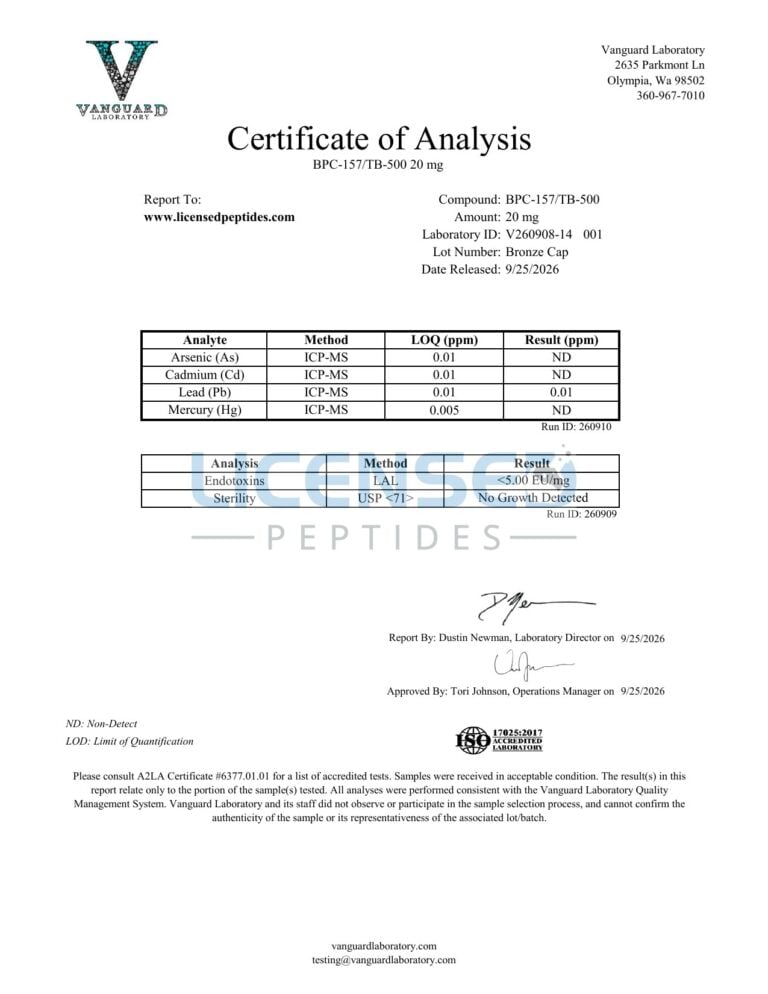
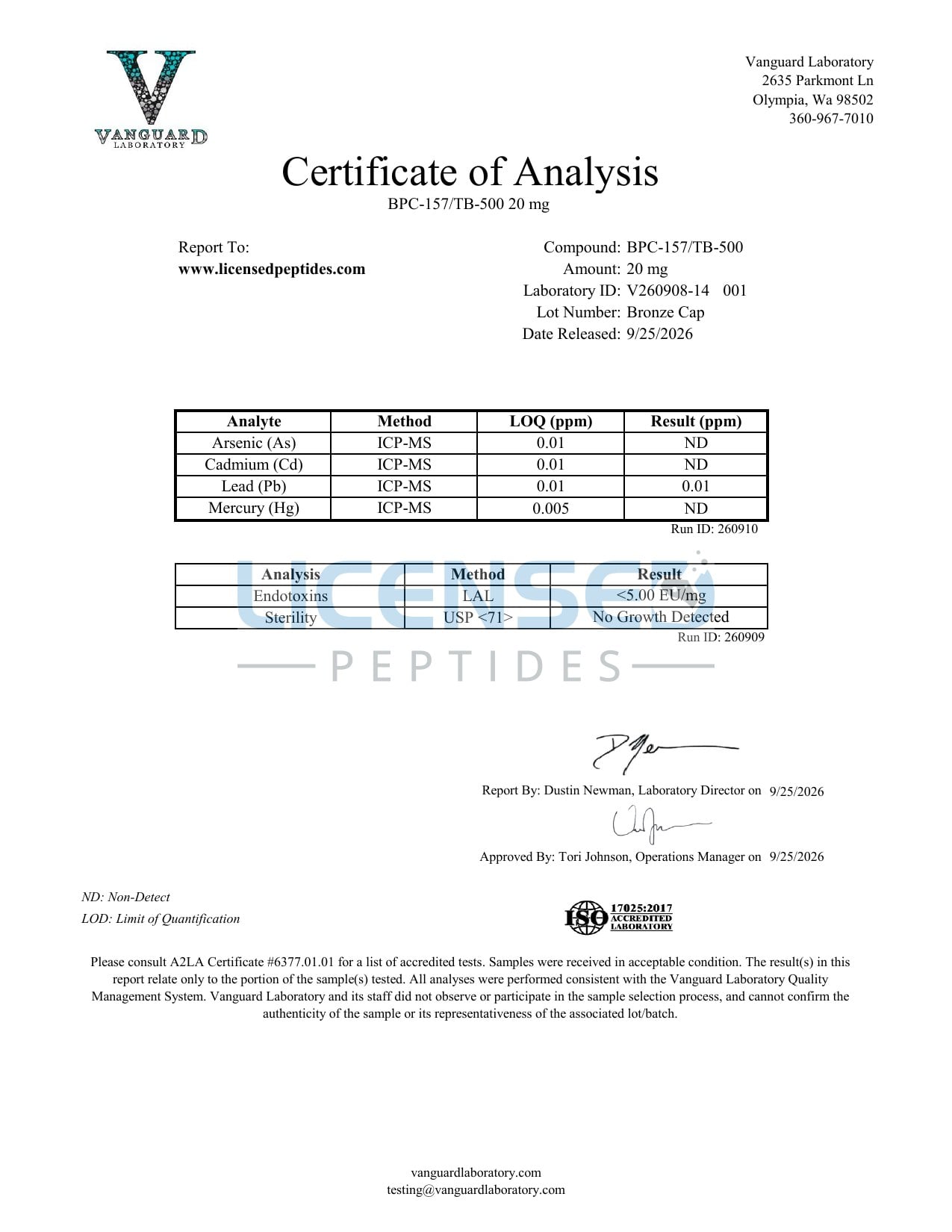
<5.00 EU/mg
No growth detected
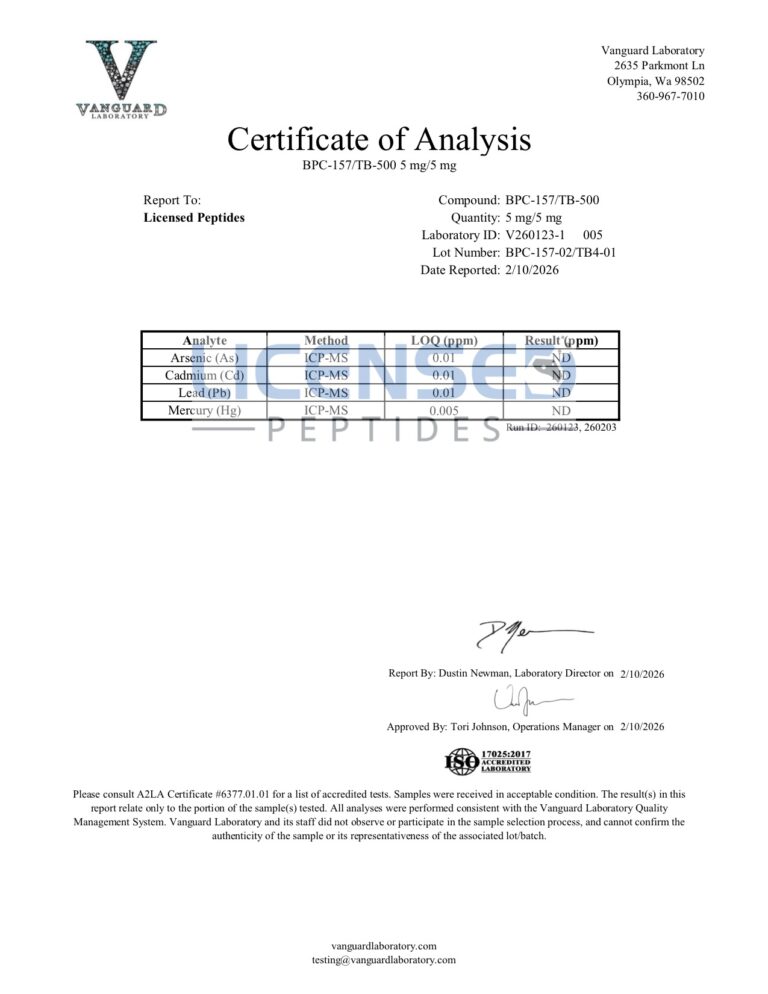
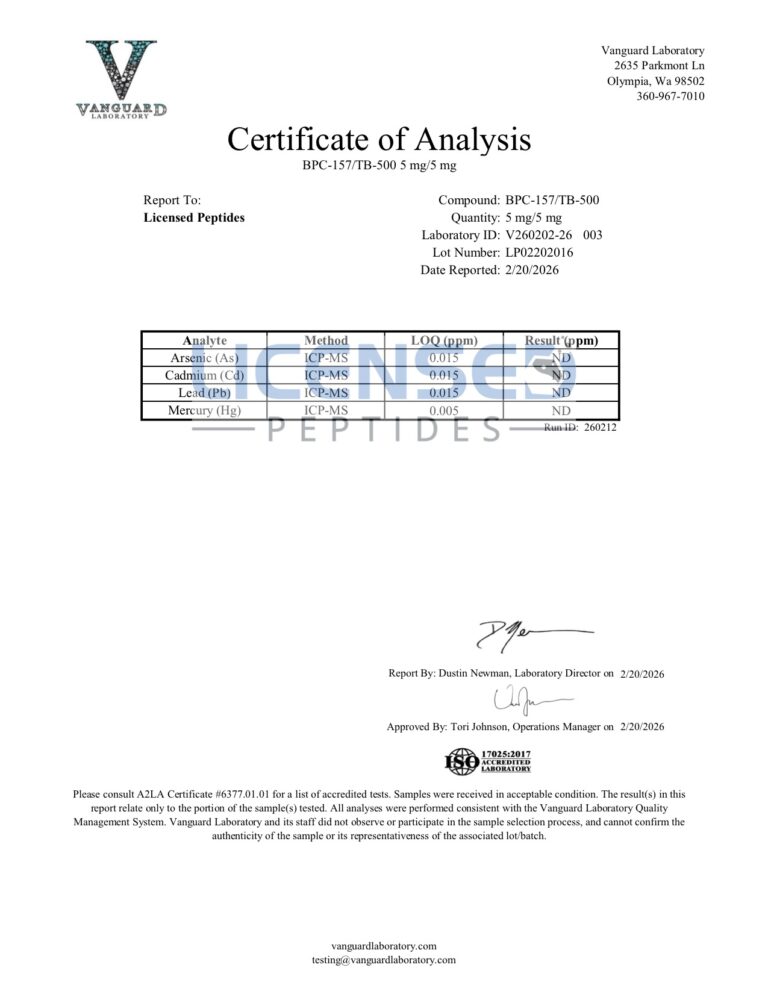
Pb 0.01 ppm (at LOQ) · Hg, As, Cd not detected
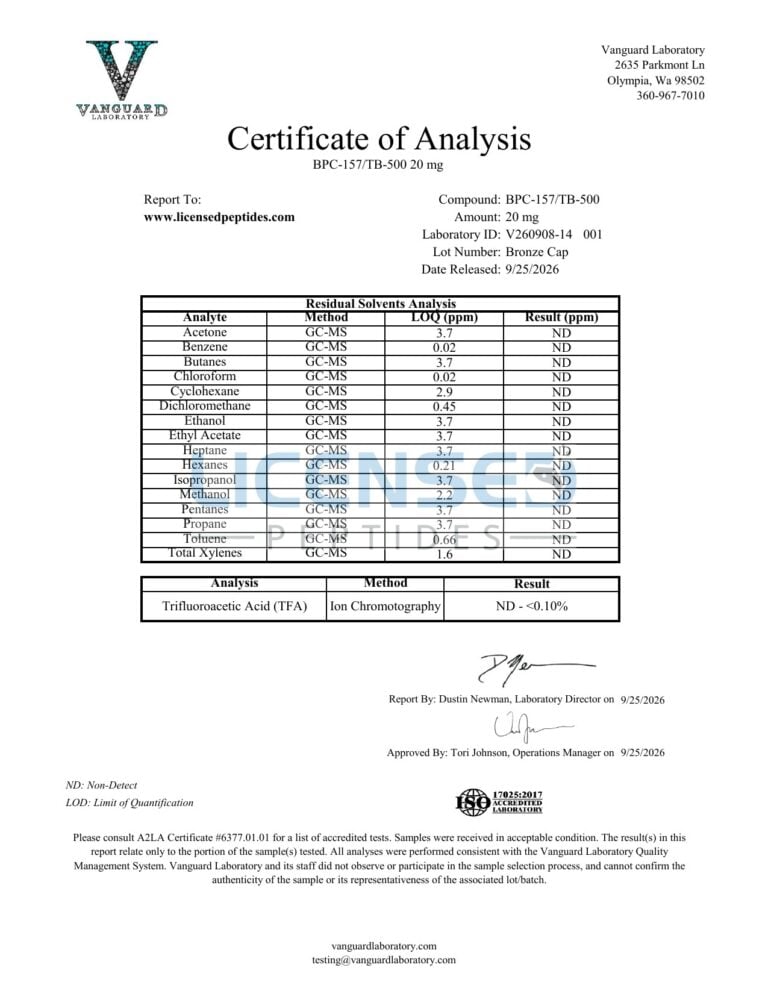
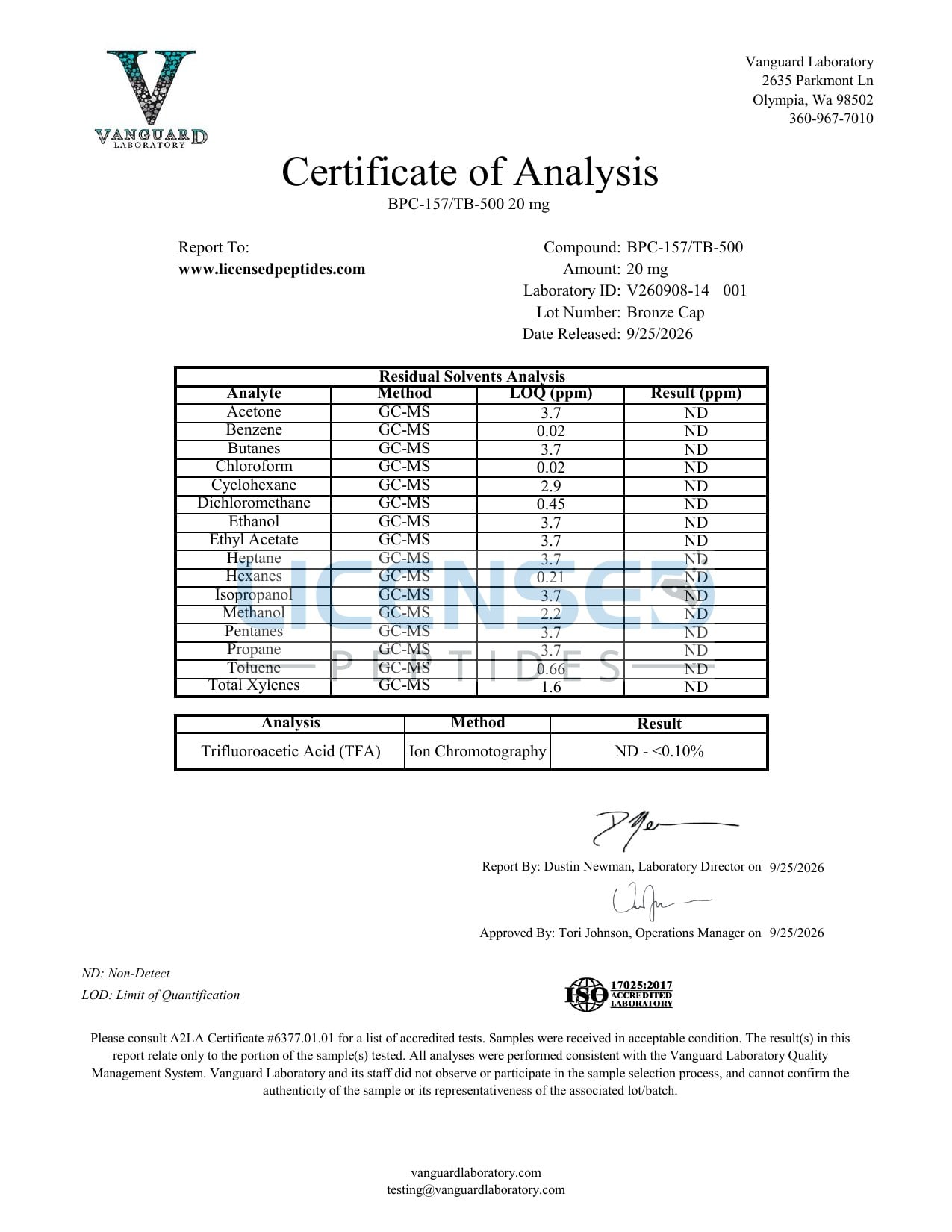
Not detected
Not detected (<0.10%)
Vanguard Laboratory · ISO/IEC 17025 · A2LA #6377.01.01
September 2026
V260908-14 · Bronze Cap
Verified
99.11% — chromatographic purity
Pass — matches reference standard
19.53 mg
12.40 mg
<5.00 EU/mg
No growth detected
Pb 0.01 ppm (at LOQ) · Hg, As, Cd not detected
Not detected
Not detected (<0.10%)
Vanguard Laboratory · ISO/IEC 17025 · A2LA #6377.01.01
September 2026
V260908-14 · Bronze Cap
Verified
 Download Full COA / HPLC Report (PDF)
Verify With Vanguard Laboratory
Download Full COA / HPLC Report (PDF)
Verify With Vanguard Laboratory

Not all peptide vendors hold themselves to the same verification standards.
| Verification Standard | Licensed Peptides | Generic Vendors |
|---|---|---|
| HPLC Purity Analysis |  99%+ Every Batch 99%+ Every Batch |
 Often Not Disclosed Often Not Disclosed |
| Mass Spectrometry Identity | Sequence Confirmed |
Rarely Available |
| Endotoxin Screening (LAL) | Every Product |
Industry Exception |
| GMP-Certified USA Manufacture | ISO 9001:2015 |
Often Overseas |
| COA Published & Downloadable | Every Lot |
Inconsistent |
| Same-Day USA Fulfillment | Before 4PM PST |
3-10 Day Lead Time |
BPC-157 TB-500 blend is a research peptide formulation containing both BPC-157 and TB-500
BPC-157 is a synthetic pentadecapeptide consisting of 15 amino acids. Researchers commonly investigate BPC-157 in laboratory studies involving cellular signaling pathways, nitric oxide research, extracellular matrix biology, and peptide stability.
TB-500 is a synthetic research peptide modeled after an active region of Thymosin Beta-4. Research involving TB-500 frequently focuses on cellular migration, actin regulation, cytoskeletal organization, and molecular communication networks.
Our blend contains BPC-157 5 mg and TB-500 5 mg in a lyophilized research peptide format. Each batch is manufactured according to strict quality-control standards and undergoes analytical verification before release.
Wolverine Stack is an informal nickname used to describe a combination of BPC-157 and TB-500. Inspired by the Marvel character Wolverine, the name became popular within peptide and biohacker communities and is now commonly used as another name for the BPC-157 TB-500 blend. It is a community-coined slang term rather than a scientific classification.
Lyophilization (freeze-drying) of TB-500 BPC-157 helps support peptide stability during storage and transportation. Removing moisture allows peptides to remain in a stable powder form suitable for laboratory handling and controlled reconstitution procedures.
Researchers continue to investigate BPC-157 and TB-500 because published literature suggests each peptide may influence different but interconnected biological pathways. Scientific interest often centers on cellular signaling, cytoskeletal organization, actin regulation, angiogenesis-related pathways, and extracellular matrix biology.
Yes. Every batch of the peptide Wolverine Stack undergoes independent analytical testing to verify purity, identity, and quality specifications. Testing procedures support consistency and transparency across research applications. Full quality documentation is available for every product.
Researchers can access our Testing Library to review manufacturing process documentation for all Licensed Peptides products.
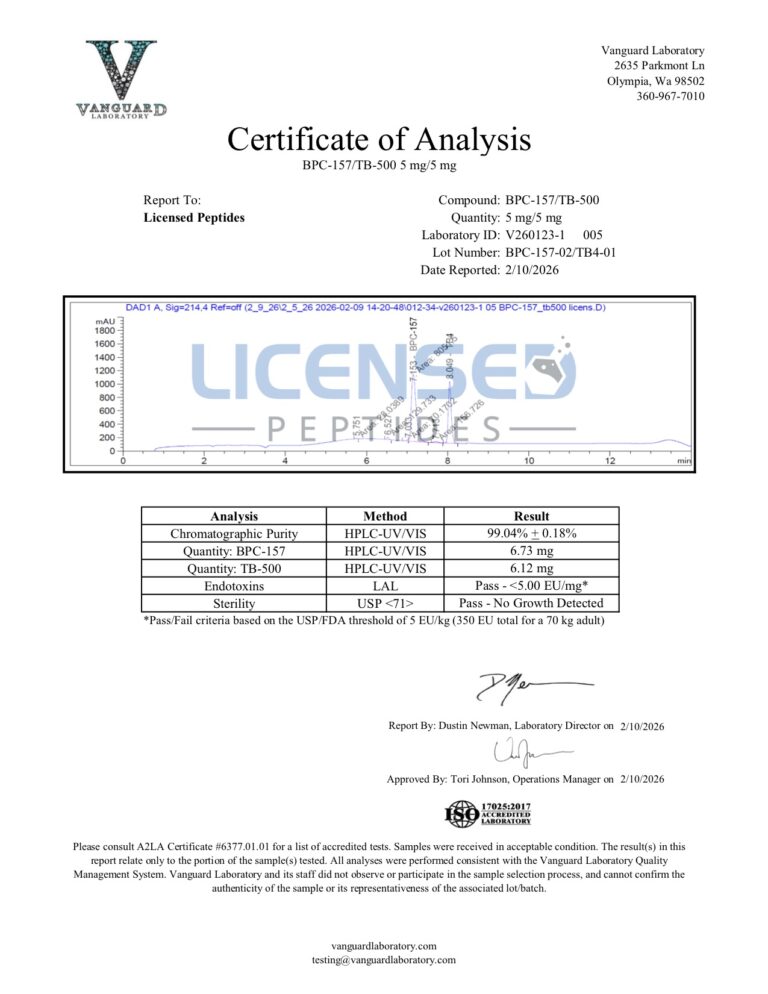
Each batch is independently verified to achieve 99%+ purity through High-Performance Liquid Chromatography (HPLC) testing.
Lyophilized peptide blends are commonly stored under cool, dry conditions. For extended storage periods, researchers often utilize freezer storage according to established laboratory procedures and product recommendations.
Researchers typically refrigerate reconstituted peptide solutions and follow established laboratory handling protocols. Proper storage practices help support consistency and product integrity throughout research workflows.
Yes. Batch-specific Certificates of Analysis (COAs) are available and provide analytical information related to product verification and quality-control procedures.
Endotoxin testing helps identify the presence of bacterial byproducts that could introduce unwanted variables into laboratory investigations. Many researchers consider endotoxin screening an important component of peptide quality assurance.
Yes. The peptide Wolverine Stack is supplied exclusively for laboratory, analytical, and scientific research purposes. It is not intended for human consumption, clinical use, therapeutic applications, veterinary use, or diagnostic procedures.
Licensed Peptides™ emphasizes quality verification, third-party testing, batch documentation, transparent standards, and reliable U.S.-based fulfillment. Every batch is supported by analytical testing and quality-control procedures designed to support research consistency.
Not all peptide vendors hold themselves to the same verification standards.
99.4% HPLC Verified · Endotoxin-Screened · GMP-Certified ·
Free FedEx 2-Day on $200+
You cannot copy content of this page
Third-party tested peptides, shipped cold from the U.S. in 1–2 days.
Shop all peptides