99%+ Purity
Guaranteed per batch

4.9 847 verified reviews


4.9 847 verified reviews
99%+ HPLC Purity —
Independently verified by accredited US laboratory
Endotoxin-Screened —
LAL tested, LPS-free, endotoxin report available
GMP-Certified Manufacturing —
USA facility, ISO 9001:2015
Lyophilized for Stability —
Shipped cold-packed, intact for reconstitution
MOTS-C is a mitochondrial-encoded peptide that originates from mitochondrial DNA. Unlike many signaling molecules made from nuclear genes, MOTS-C is encoded by the mitochondrial genome.¹
MOTS-C has attracted interest because of its involvement in mitochondrial signaling and cell-to-cell communication pathways.¹² Researchers are still investigating mitochondrion-derived peptides’ roles in broader biological signaling pathways.²³
In a landmark study in Cell Metabolism, Lee and colleagues identified MOTS-C as a mitochondrial-derived peptide. They also reported on its role in cellular metabolic regulation. They found that it supports adaptive stress-response pathways in experimental models.¹
Later research by Kim and others showed that MOTS-C may move into the nucleus. This can happen during certain types of metabolic stress. The authors suggested that this process may support communication between mitochondria and the nucleus. It may also affect gene regulation within cells.²
Current research looks at these mechanisms in lab and preclinical models. However, there are still gaps in understanding how they work in humans.³
One of the most distinctive characteristics of MOTS-C is its mitochondrial origin.¹
Mitochondrial-derived peptides may act as signals between mitochondria and the nucleus. They may help cells adapt under experimental conditions.²,³
Investigations have examined MOTS-C within experimental models that evaluate cellular communication systems. The published studies have explored intracellular signaling pathways and nuclear translocation mechanisms. They also examined gene-regulatory activity and molecular communication networks. These factors may influence cellular adaptation responses.²,³
Most published evidence on MOTS-C originates from laboratory and preclinical animal studies.³⁴ Large human clinical trials haven’t been published in peer-reviewed journals. These trials are still needed to confirm MOTS-C’s safety, efficacy, or therapeutic uses.³⁴
As a result, MOTS-C is a research compound exclusively for scientific investigation. Ongoing studies continue to evaluate its biological mechanisms, signaling pathways, and potential relevance within experimental research settings.³⁴
• Lee C, Zeng J, Drew BG, Sallam T, Martin-Montalvo A, Wan J, et al. The Mitochondrial-Derived Peptide MOTS-c Promotes Metabolic Homeostasis and Reduces Obesity and Insulin Resistance. Cell Metabolism. 2015;21(3):443-454. doi:10.1016/j.cmet.2015.02.009.
• Kim KH, Son JM, Benayoun BA, Lee C. The Mitochondrial-Encoded Peptide MOTS-c Translocates to the Nucleus to Regulate Nuclear Gene Expression in Response to Metabolic Stress. Cell Metabolism. 2018;28(3):516-524.e7. doi:10.1016/j.cmet.2018.06.008.
• Lu H, Tang S, Xue C, et al. MOTS-c: An Equal Player in Mitochondrial Function and Aging? Frontiers in Endocrinology. 2023;14:1120533. doi:10.3389/fendo.2023.1120533.
• ClinicalTrials.gov. A Study of CB4211 (MOTS-c) in Participants With Prediabetes and Overweight or Obesity (Phase 2a). Identifier: NCT07505745.
This product is supplied strictly for research use only. It is not approved or intended for human or animal use, consumption, therapeutic use, clinical application, or diagnostic purposes. Any discussion of biological activity refers solely to laboratory, in vitro, or preclinical research.
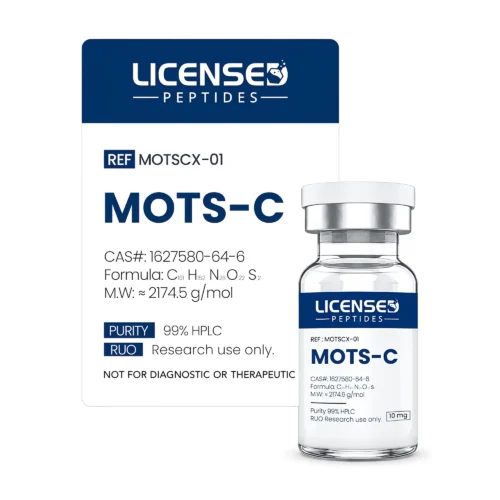
| Sequence | Met-Arg-Trp-Gln-Glu-Met-Gly-Tyr-Ile-Phe-Tyr-Pro-Arg-Lys-Leu-Arg |
|---|---|
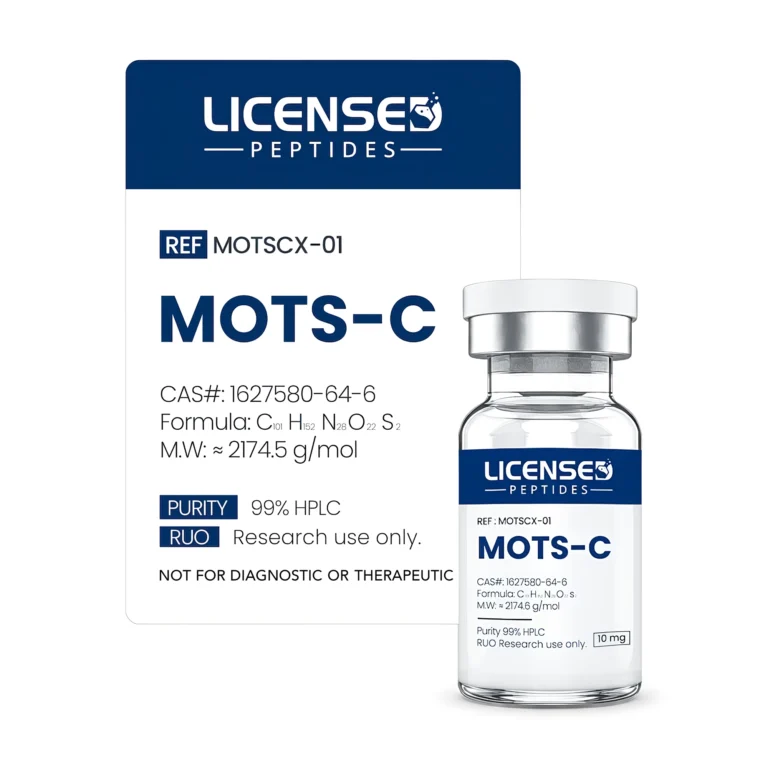
| Molecular formula | C₁₀₁H₁₅₂N₂₈O₂₂S₂ |
| Molecular weight | 2174.64 g/mol |
| CAS number | 1627580-64-6 |
| PubChem CID | 255386757 |
| Application | Research use only |
MOTS-C is a mitochondrial-derived peptide encoded within the mitochondrial genome and studied in laboratory settings for its role in cellular signaling and metabolic regulation pathways. Research models examine how mitochondrial peptides interact with nuclear gene expression and cellular adaptation mechanisms. These references are provided solely to describe areas of scientific investigation and do not imply therapeutic, diagnostic, or clinical use. This product is supplied strictly for research purposes only.
MOTS-C was first characterised in 2015 as one of a small family of peptides encoded by the mitochondrial genome rather than the nuclear genome. In research models it is studied as a tool compound for investigating how mitochondria communicate metabolic state to the nucleus. References to insulin sensitivity, adipose tissue or exercise physiology below are drawn from published literature and describe how the compound is studied, not an outcome for any individual.
In laboratory research, MOTS-C is examined for its interaction with mitochondrial signaling networks and cellular stress-response pathways. Experimental studies explore how mitochondrial peptides influence cellular energy regulation systems and gene transcription processes. All references to biological mechanisms are included solely for research context and should not be interpreted as claims of medical benefit.
MOTS-C is used in experimental research investigating:
All references to biological pathways are provided for research context only and do not imply human or veterinary applications.
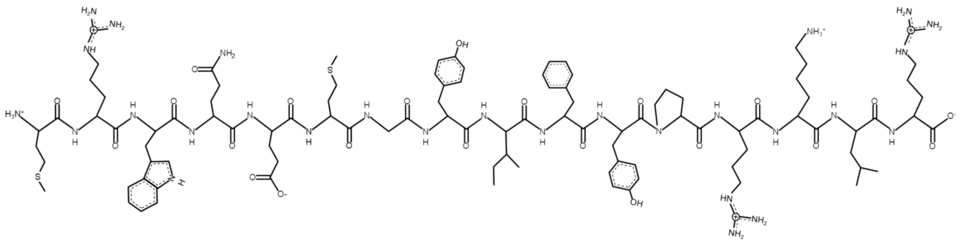
Published literature describes MOTS-C in controlled experimental settings, including rodent metabolic models and cell culture. Those observations are summarised here as research context only. They are not claims of safety, effectiveness or suitability for human or veterinary use.
Research Focus: Metabolic Regulation – Cell and Rodent Models
Title: The Mitochondrial-Derived Peptide MOTS-c Promotes Metabolic Homeostasis and Reduces Obesity and Insulin Resistance (Cell Metabolism, 2015)
Authors: Changhan Lee, Jennifer Zeng, Brian G. Drew et al.
Research Focus: Exercise Physiology and Age-Dependent Decline
Title: MOTS-c is an Exercise-Induced Mitochondrial-Encoded Regulator of Age-Dependent Physical Decline and Muscle Homeostasis (Nature Communications, 2021)
Authors: Joseph C. Reynolds, Rebecca W. Lai, Jonathan S. T. Woodhead et al.
Research Focus: Ageing Biomarkers
Title: Naturally Occurring Mitochondrial-Derived Peptides are Age-Dependent Regulators of Apoptosis, Insulin Sensitivity and Inflammatory Markers (Aging, 2016)
Authors: Laura J. Cobb, Changhan Lee, Jialin Xiao et al.
For laboratory research use only. Products on this website are intended solely for in-vitro research. They are not medicines, have not been evaluated by the FDA, and are not intended to diagnose, treat, cure, or prevent any disease. Any administration to humans or animals is strictly prohibited.

Proper storage of MOTS-C is essential for maintaining peptide stability and quality throughout laboratory use. Licensed Peptides manufactures all research peptides using the lyophilization process, which helps support stability during shipping and laboratory handling.
MOTS-C is supplied as a lyophilized peptide powder.
Lyophilization, also called ‘freeze-drying’ or ‘cryodesiccation’, is a dehydration process. In this process, peptides are first frozen and then exposed to low pressure. During this process, water is removed through sublimation, transitioning directly from a solid state to a gas.
This process leaves behind a stable, crystalline peptide structure that supports long-term storage and handling requirements. The resulting white lyophilized powder may remain stable for extended periods when stored under appropriate laboratory conditions.
Because moisture is removed during manufacturing, lyophilized peptides are generally more stable during transportation and storage than reconstituted peptide preparations.
Once MOTS-C has been reconstituted using bacteriostatic water for laboratory purposes, it should be refrigerated and protected from excessive heat and light exposure.
Researchers should monitor all preparations for changes in appearance and discard any material exhibiting cloudiness, discoloration, or particulate formation.
Researchers should maintain consistent storage conditions throughout the lifecycle of the peptide. Temperature fluctuations, moisture exposure, and repeated handling may affect long-term stability.
For additional handling recommendations, storage procedures, and laboratory best practices, please refer to our Peptide Storage Guide.
For laboratory research use only. Not for human or veterinary use.

To support reproducible scientific research, every MOTS-C batch is manufactured and verified according to strict quality-control procedures. MOTS-C is synthesized using Solid-Phase Peptide Synthesis (SPPS), a widely used peptide manufacturing method that supports precise amino acid sequencing and batch-to-batch consistency.
Each batch undergoes extensive testing, which may include:
Licensed Peptides utilizes controlled manufacturing environments and established peptide synthesis protocols designed to promote consistency across production batches.
Researchers receive access to batch-specific documentation that supports transparency and traceability throughout the procurement process.
For laboratory research use only. Not for human or veterinary use.
Quality assurance is central to our manufacturing philosophy.
All peptides are synthesized within controlled manufacturing environments to minimize contamination risks and support batch consistency.
Every MOTS-C batch undergoes analytical purity verification using advanced HPLC testing methods. Read more about how peptides are purified.
Testing protocols verify product identity, purity, and overall quality.
We begin with carefully sourced raw materials that undergo quality review before entering production.
Our peptides are supplied in a freeze-dried format that supports long-term stability and laboratory handling.
Each vial is protected from moisture and oxygen exposure to help preserve peptide integrity during storage and transit.
For laboratory research use only. Not for human or veterinary use.
We understand that timing and product integrity are critical for scientific research, so we process every MOTS-C order using established fulfillment procedures. These steps support reliable delivery and help maintain product quality during transit.
Paid, in-stock orders placed before our 4:00 PM PST cut-off are typically shipped the same business day from within the United States.
We use expedited domestic carriers for delivery within the United States. Shipping times are estimates and delivery dates are not guaranteed.
Before shipment, MOTS-C is stored under controlled conditions maintain peptide stability and quality. Products remain protected until they enter the fulfillment process.
We package each order carefully to help protect against physical damage, moisture exposure, and environmental fluctuations during transit.
We provide tracking information immediately after shipment, allowing researchers to monitor delivery progress from dispatch through arrival.
Supporting quality documentation, including batch-specific Certificates of Analysis (COAs), is available to provide transparency regarding purity, identity verification, and analytical testing standards.
Our fulfillment process provides dependable domestic delivery without extended international shipping delays or customs-related disruptions. Researchers can expect reliable order processing, transparent tracking, and responsive U.S.-based support.
Every stage of the process, from manufacturing through delivery, supports researchers who require consistency, traceability, and quality assurance when sourcing research materials.
For laboratory research use only. Not for human or veterinary use.
| pack | 1 pack, 3 pack, 5 pack, 10 pack |
|---|
MOTS-C is a mitochondrial-encoded peptide that originates from mitochondrial DNA. Unlike many signaling molecules made from nuclear genes, MOTS-C is encoded by the mitochondrial genome.¹
MOTS-C has attracted interest because of its involvement in mitochondrial signaling and cell-to-cell communication pathways.¹² Researchers are still investigating mitochondrion-derived peptides’ roles in broader biological signaling pathways.²³
In a landmark study in Cell Metabolism, Lee and colleagues identified MOTS-C as a mitochondrial-derived peptide. They also reported on its role in cellular metabolic regulation. They found that it supports adaptive stress-response pathways in experimental models.¹
Later research by Kim and others showed that MOTS-C may move into the nucleus. This can happen during certain types of metabolic stress. The authors suggested that this process may support communication between mitochondria and the nucleus. It may also affect gene regulation within cells.²
Current research looks at these mechanisms in lab and preclinical models. However, there are still gaps in understanding how they work in humans.³
One of the most distinctive characteristics of MOTS-C is its mitochondrial origin.¹
Mitochondrial-derived peptides may act as signals between mitochondria and the nucleus. They may help cells adapt under experimental conditions.²,³
Investigations have examined MOTS-C within experimental models that evaluate cellular communication systems. The published studies have explored intracellular signaling pathways and nuclear translocation mechanisms. They also examined gene-regulatory activity and molecular communication networks. These factors may influence cellular adaptation responses.²,³
Most published evidence on MOTS-C originates from laboratory and preclinical animal studies.³⁴ Large human clinical trials haven’t been published in peer-reviewed journals. These trials are still needed to confirm MOTS-C’s safety, efficacy, or therapeutic uses.³⁴
As a result, MOTS-C is a research compound exclusively for scientific investigation. Ongoing studies continue to evaluate its biological mechanisms, signaling pathways, and potential relevance within experimental research settings.³⁴
• Lee C, Zeng J, Drew BG, Sallam T, Martin-Montalvo A, Wan J, et al. The Mitochondrial-Derived Peptide MOTS-c Promotes Metabolic Homeostasis and Reduces Obesity and Insulin Resistance. Cell Metabolism. 2015;21(3):443-454. doi:10.1016/j.cmet.2015.02.009.
• Kim KH, Son JM, Benayoun BA, Lee C. The Mitochondrial-Encoded Peptide MOTS-c Translocates to the Nucleus to Regulate Nuclear Gene Expression in Response to Metabolic Stress. Cell Metabolism. 2018;28(3):516-524.e7. doi:10.1016/j.cmet.2018.06.008.
• Lu H, Tang S, Xue C, et al. MOTS-c: An Equal Player in Mitochondrial Function and Aging? Frontiers in Endocrinology. 2023;14:1120533. doi:10.3389/fendo.2023.1120533.
• ClinicalTrials.gov. A Study of CB4211 (MOTS-c) in Participants With Prediabetes and Overweight or Obesity (Phase 2a). Identifier: NCT07505745.
This product is supplied strictly for research use only. It is not approved or intended for human or animal use, consumption, therapeutic use, clinical application, or diagnostic purposes. Any discussion of biological activity refers solely to laboratory, in vitro, or preclinical research.
| Sequence | Met-Arg-Trp-Gln-Glu-Met-Gly-Tyr-Ile-Phe-Tyr-Pro-Arg-Lys-Leu-Arg |
|---|---|
| Molecular formula | C₁₀₁H₁₅₂N₂₈O₂₂S₂ |
| Molecular weight | 2174.64 g/mol |
| CAS number | 1627580-64-6 |
| PubChem CID | 255386757 |
| Application | Research use only |
MOTS-C is a mitochondrial-derived peptide encoded within the mitochondrial genome and studied in laboratory settings for its role in cellular signaling and metabolic regulation pathways. Research models examine how mitochondrial peptides interact with nuclear gene expression and cellular adaptation mechanisms. These references are provided solely to describe areas of scientific investigation and do not imply therapeutic, diagnostic, or clinical use. This product is supplied strictly for research purposes only.
MOTS-C was first characterised in 2015 as one of a small family of peptides encoded by the mitochondrial genome rather than the nuclear genome. In research models it is studied as a tool compound for investigating how mitochondria communicate metabolic state to the nucleus. References to insulin sensitivity, adipose tissue or exercise physiology below are drawn from published literature and describe how the compound is studied, not an outcome for any individual.
In laboratory research, MOTS-C is examined for its interaction with mitochondrial signaling networks and cellular stress-response pathways. Experimental studies explore how mitochondrial peptides influence cellular energy regulation systems and gene transcription processes. All references to biological mechanisms are included solely for research context and should not be interpreted as claims of medical benefit.
MOTS-C is used in experimental research investigating:
All references to biological pathways are provided for research context only and do not imply human or veterinary applications.
Published literature describes MOTS-C in controlled experimental settings, including rodent metabolic models and cell culture. Those observations are summarised here as research context only. They are not claims of safety, effectiveness or suitability for human or veterinary use.
Research Focus: Metabolic Regulation – Cell and Rodent Models
Title: The Mitochondrial-Derived Peptide MOTS-c Promotes Metabolic Homeostasis and Reduces Obesity and Insulin Resistance (Cell Metabolism, 2015)
Authors: Changhan Lee, Jennifer Zeng, Brian G. Drew et al.
Research Focus: Exercise Physiology and Age-Dependent Decline
Title: MOTS-c is an Exercise-Induced Mitochondrial-Encoded Regulator of Age-Dependent Physical Decline and Muscle Homeostasis (Nature Communications, 2021)
Authors: Joseph C. Reynolds, Rebecca W. Lai, Jonathan S. T. Woodhead et al.
Research Focus: Ageing Biomarkers
Title: Naturally Occurring Mitochondrial-Derived Peptides are Age-Dependent Regulators of Apoptosis, Insulin Sensitivity and Inflammatory Markers (Aging, 2016)
Authors: Laura J. Cobb, Changhan Lee, Jialin Xiao et al.
For laboratory research use only. Products on this website are intended solely for in-vitro research. They are not medicines, have not been evaluated by the FDA, and are not intended to diagnose, treat, cure, or prevent any disease. Any administration to humans or animals is strictly prohibited.
Proper storage of MOTS-C is essential for maintaining peptide stability and quality throughout laboratory use. Licensed Peptides manufactures all research peptides using the lyophilization process, which helps support stability during shipping and laboratory handling.
MOTS-C is supplied as a lyophilized peptide powder.
Lyophilization, also called ‘freeze-drying’ or ‘cryodesiccation’, is a dehydration process. In this process, peptides are first frozen and then exposed to low pressure. During this process, water is removed through sublimation, transitioning directly from a solid state to a gas.
This process leaves behind a stable, crystalline peptide structure that supports long-term storage and handling requirements. The resulting white lyophilized powder may remain stable for extended periods when stored under appropriate laboratory conditions.
Because moisture is removed during manufacturing, lyophilized peptides are generally more stable during transportation and storage than reconstituted peptide preparations.
Once MOTS-C has been reconstituted using bacteriostatic water for laboratory purposes, it should be refrigerated and protected from excessive heat and light exposure.
Researchers should monitor all preparations for changes in appearance and discard any material exhibiting cloudiness, discoloration, or particulate formation.
Researchers should maintain consistent storage conditions throughout the lifecycle of the peptide. Temperature fluctuations, moisture exposure, and repeated handling may affect long-term stability.
For additional handling recommendations, storage procedures, and laboratory best practices, please refer to our Peptide Storage Guide.
For laboratory research use only. Not for human or veterinary use.
To support reproducible scientific research, every MOTS-C batch is manufactured and verified according to strict quality-control procedures. MOTS-C is synthesized using Solid-Phase Peptide Synthesis (SPPS), a widely used peptide manufacturing method that supports precise amino acid sequencing and batch-to-batch consistency.
Each batch undergoes extensive testing, which may include:
Licensed Peptides utilizes controlled manufacturing environments and established peptide synthesis protocols designed to promote consistency across production batches.
Researchers receive access to batch-specific documentation that supports transparency and traceability throughout the procurement process.
For laboratory research use only. Not for human or veterinary use.
Quality assurance is central to our manufacturing philosophy.
All peptides are synthesized within controlled manufacturing environments to minimize contamination risks and support batch consistency.
Every MOTS-C batch undergoes analytical purity verification using advanced HPLC testing methods. Read more about how peptides are purified.
Testing protocols verify product identity, purity, and overall quality.
We begin with carefully sourced raw materials that undergo quality review before entering production.
Our peptides are supplied in a freeze-dried format that supports long-term stability and laboratory handling.
Each vial is protected from moisture and oxygen exposure to help preserve peptide integrity during storage and transit.
For laboratory research use only. Not for human or veterinary use.
We understand that timing and product integrity are critical for scientific research, so we process every MOTS-C order using established fulfillment procedures. These steps support reliable delivery and help maintain product quality during transit.
Paid, in-stock orders placed before our 4:00 PM PST cut-off are typically shipped the same business day from within the United States.
We use expedited domestic carriers for delivery within the United States. Shipping times are estimates and delivery dates are not guaranteed.
Before shipment, MOTS-C is stored under controlled conditions maintain peptide stability and quality. Products remain protected until they enter the fulfillment process.
We package each order carefully to help protect against physical damage, moisture exposure, and environmental fluctuations during transit.
We provide tracking information immediately after shipment, allowing researchers to monitor delivery progress from dispatch through arrival.
Supporting quality documentation, including batch-specific Certificates of Analysis (COAs), is available to provide transparency regarding purity, identity verification, and analytical testing standards.
Our fulfillment process provides dependable domestic delivery without extended international shipping delays or customs-related disruptions. Researchers can expect reliable order processing, transparent tracking, and responsive U.S.-based support.
Every stage of the process, from manufacturing through delivery, supports researchers who require consistency, traceability, and quality assurance when sourcing research materials.
For laboratory research use only. Not for human or veterinary use.
| pack | 1 pack, 3 pack, 5 pack, 10 pack |
|---|
Guaranteed per batch

Independent lab verified

Vanguard Laboratory · ISO/IEC 17025

USA-manufactured

Free FedEx on $200+
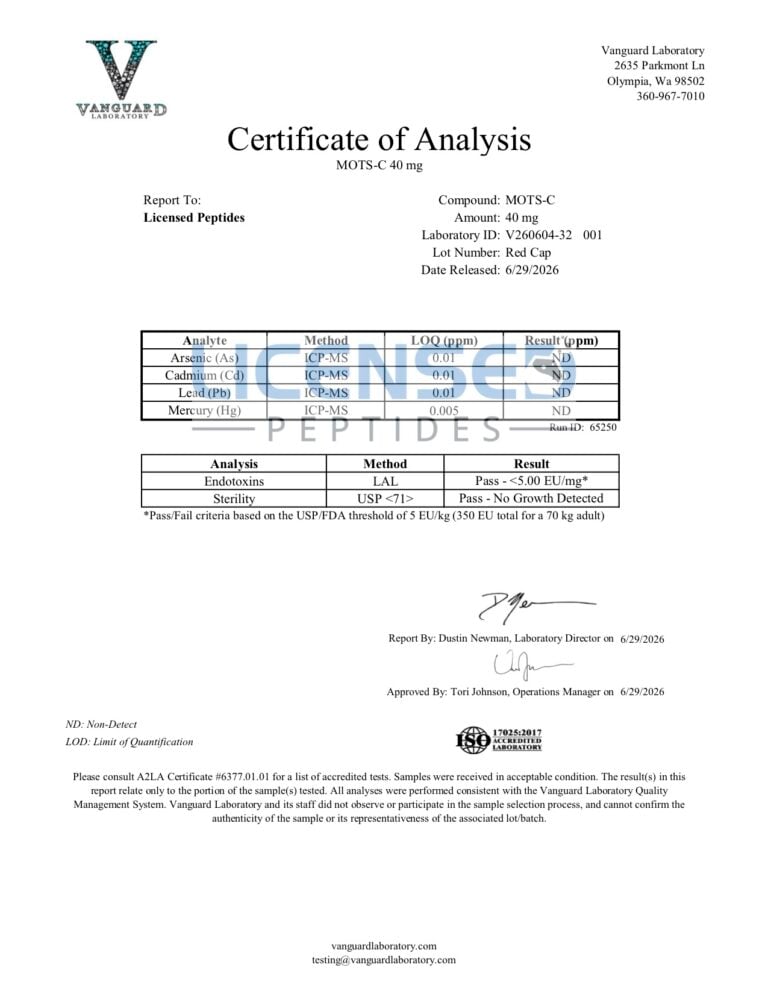
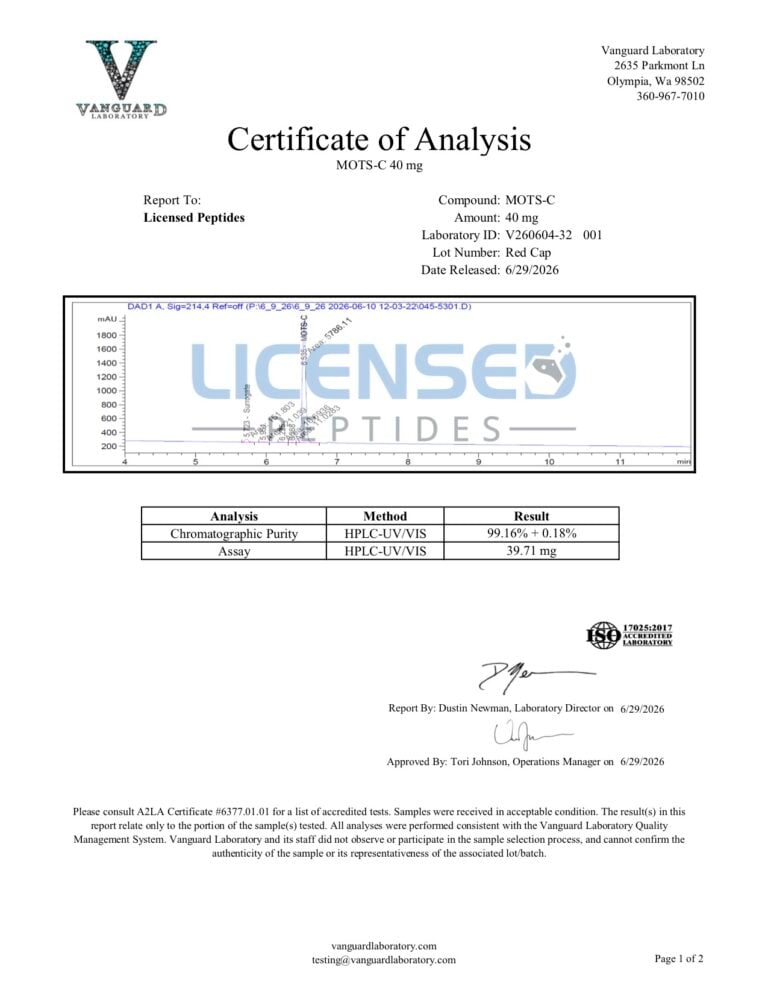
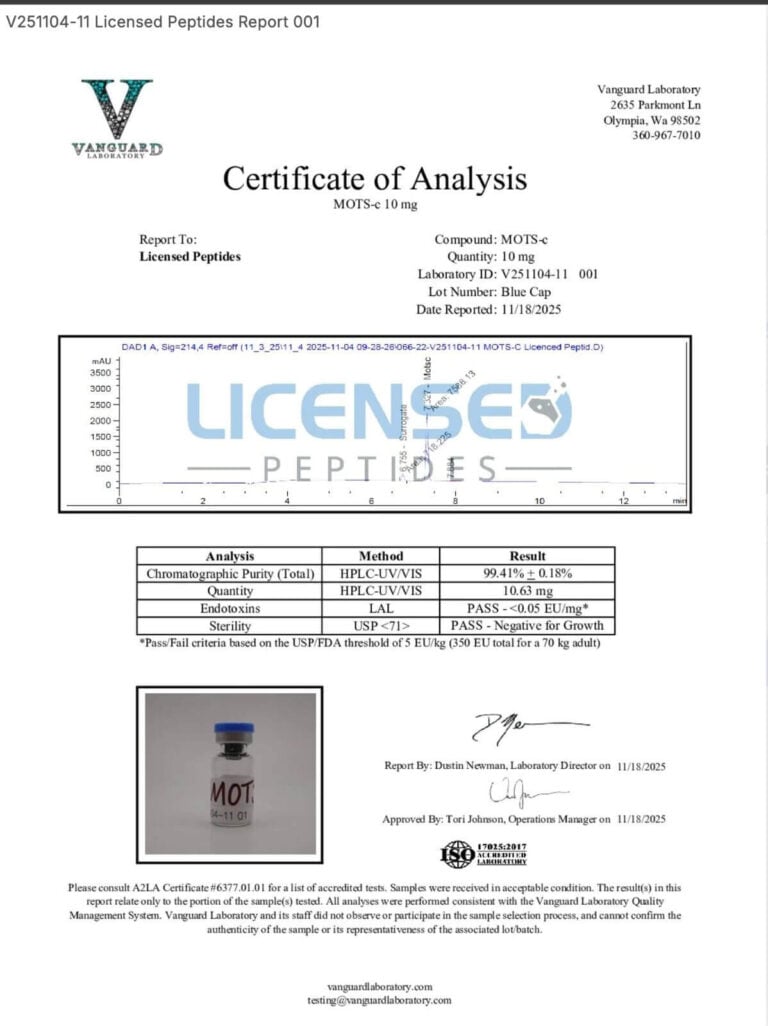
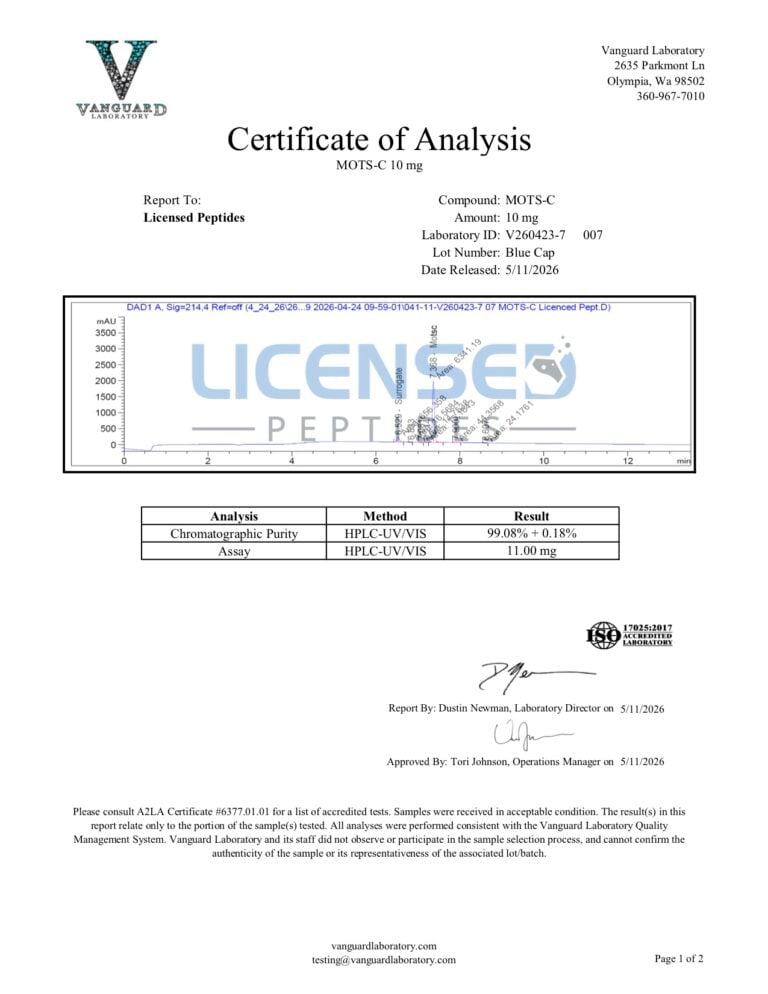
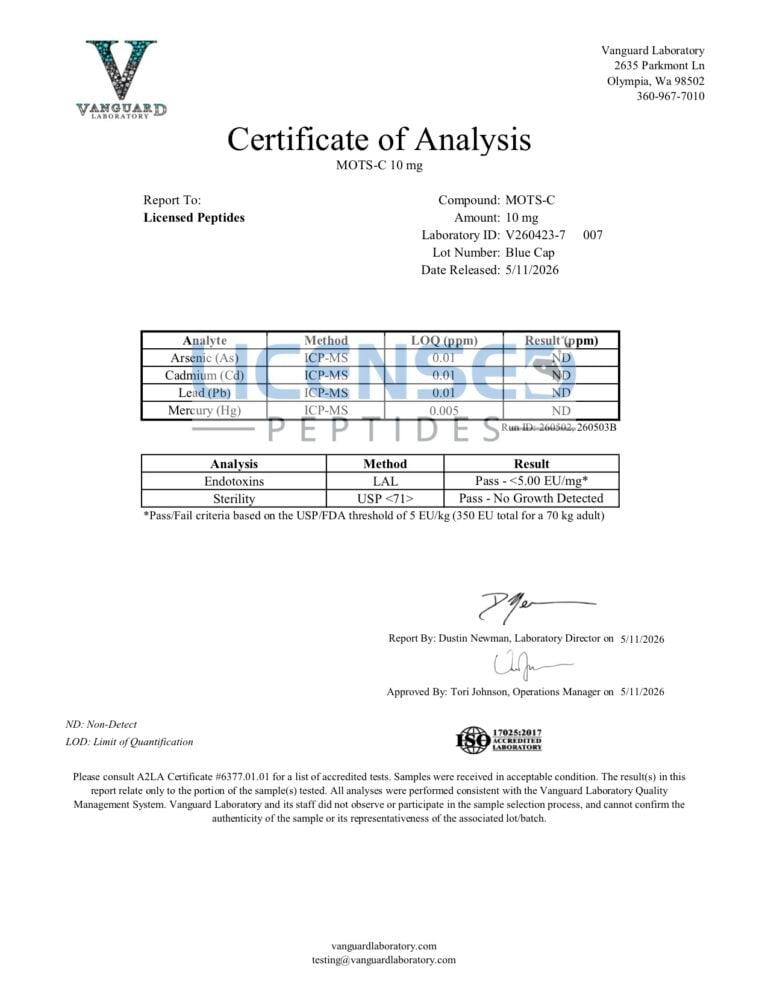
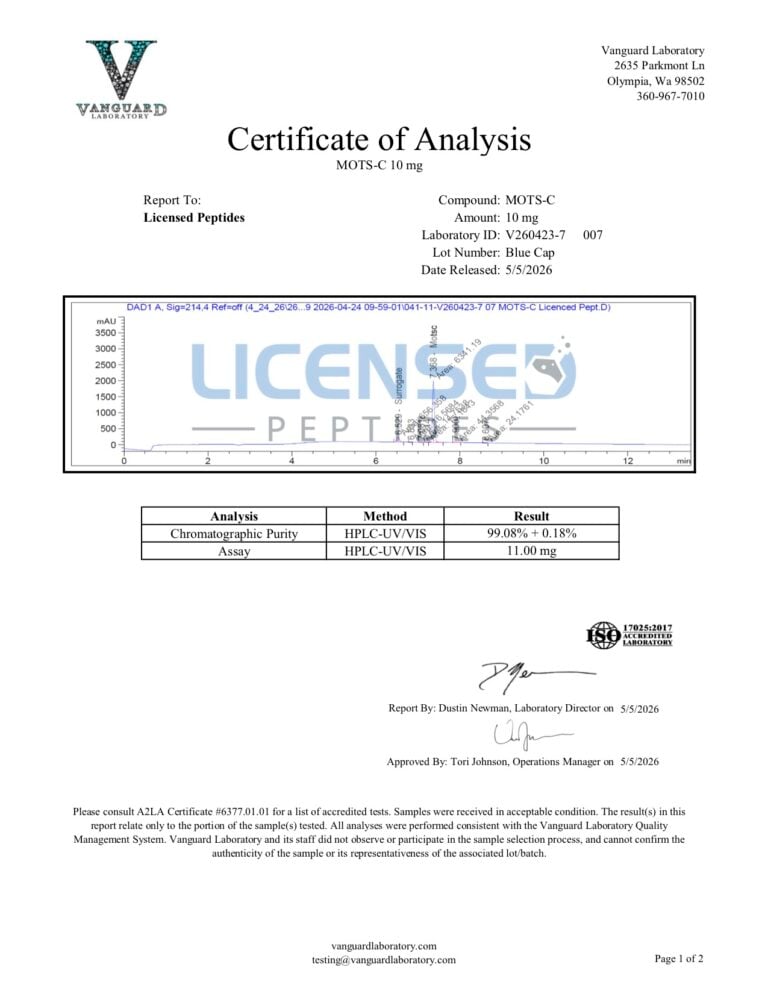
Every MOTS-C batch undergoes independent analytical testing prior to release. Testing is performed using validated laboratory methods to verify purity, identity, and quality standards across production lots.
 99%+ — Passes ≥99%
Confirmed — 1419.6 m/z
<1.0 EU/mg — LPS-Free
No growth detected
White lyophilized powder
All 15 residues confirmed
±0.2% — Within spec
Vanguard Laboratory · ISO/IEC 17025 · A2LA #6377.01.01
GMP / ISO 9001:2015
2026
Verified
99%+ — Passes ≥99%
Confirmed — 1419.6 m/z
<1.0 EU/mg — LPS-Free
No growth detected
White lyophilized powder
All 15 residues confirmed
±0.2% — Within spec
Vanguard Laboratory · ISO/IEC 17025 · A2LA #6377.01.01
GMP / ISO 9001:2015
2026
Verified
 Download Full COA / HPLC Report (PDF)
Verify With Vanguard Laboratory
Download Full COA / HPLC Report (PDF)
Verify With Vanguard Laboratory

Not all peptide vendors hold themselves to the same verification standards.
| Verification Standard | Licensed Peptides | Generic Vendors |
|---|---|---|
| HPLC Purity Analysis |  99%+ Every Batch 99%+ Every Batch |
 Often Not Disclosed Often Not Disclosed |
| Mass Spectrometry Identity | Sequence Confirmed |
Rarely Available |
| Endotoxin Screening (LAL) | Every Product |
Industry Exception |
| GMP-Certified USA Manufacture | ISO 9001:2015 |
Often Overseas |
| COA Published & Downloadable | Every Lot |
Inconsistent |
| Same-Day USA Fulfillment | Before 4PM PST |
3-10 Day Lead Time |
Researchers have investigated MOTS-C in studies involving mitochondrial biology, cellular signaling pathways, gene-expression regulation, nuclear-mitochondrial communication, and experimental metabolic research models.
No. Licensed Peptides supplies MOTS-C exclusively for laboratory research purposes. It isn’t approved for human consumption, clinical use, therapeutic applications, diagnosis, treatment, cure, mitigation, or disease prevention.
Researchers, laboratories, and scientific organizations looking for high-purity research materials for analytical and experimental investigations may purchase MOTS-C.
High-purity materials reduce the likelihood of confounding variables and support more consistent experimental conditions across studies. Read more details about how peptides are made.
Mitochondrial-derived peptides are short protein fragments that are encoded by mitochondrial DNA. Researchers study these peptides because they appear to participate in cellular communication and mitochondrial signaling pathways.
Background articles from the Licensed Peptides research library. All products are supplied for laboratory research use only.
Not all peptide vendors hold themselves to the same verification standards.

99.4% HPLC Verified · Endotoxin-Screened · GMP-Certified ·
Free FedEx 2-Day on $200+
You cannot copy content of this page
Third-party tested peptides, shipped cold from the U.S. in 1–2 days.
Shop all peptides