Bioregulator/Longevity Peptides
Bioregulators and longevity peptides are the short chains used in cellular-ageing, mitochondrial and circadian research, and this page lists every one we carry. It covers Epithalon, NAD+, MOTS-C, SS-31, FOXO4-DRI 10mg and Pinealon 10mg, plus DSIP 5mg, Selank 10mg and Semax 30mg.
All of it comes out of GMP-certified United States manufacturing. Before a lot is released we require high-performance liquid chromatography showing 99%+ purity, mass-spectrometry identity confirmation, and clean endotoxin and heavy-metal results. Those documents are posted as Certificates of Analysis in our testing library, batch by batch, alongside the endotoxin and residual-solvent reports for the same lot. Epithalon, NAD+, MOTS-C and SS-31 are also available in ten-vial cases, and every order leaves the United States in cold packaging. Sold to researchers for laboratory and analytical use only.
-
2 for 1
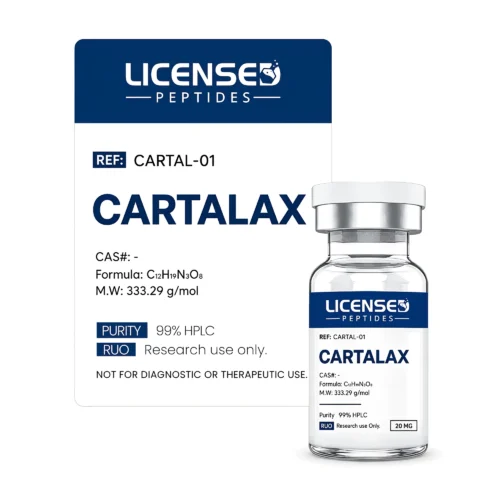 Cartalax is a synthetic short-chain peptide commonly described as Ala-Glu-Asp (AED). It is classified as a peptide bioregulator and has primarily been studied in relation to cartilage, connective tissue, and cellular processes. Cartalax is a small tripeptide investigated for its potential biological effects on cartilage and connective-tissue-related processes. Current research is primarily preclinical, and its mechanisms and potential applications continue to be investigated.
 -
2 for 1

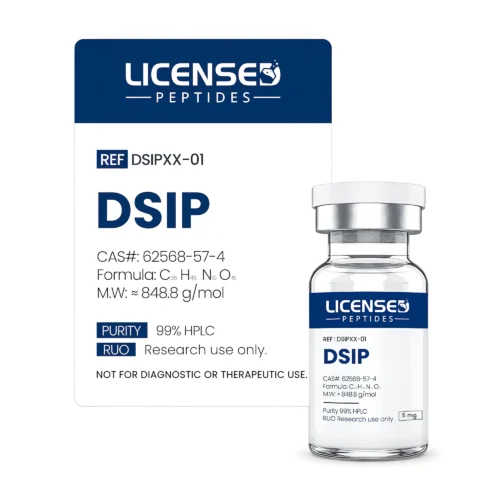 DSIP is a research peptide used in laboratory studies of peptide signaling, receptor interactions, and neurochemical pathways in controlled experimental systems. This product is supplied strictly for research use only. DSIP 5mg is not approved or intended for human or animal use, and any discussion of biological activity refers only to preclinical or in vitro research.
 -
2 for 1
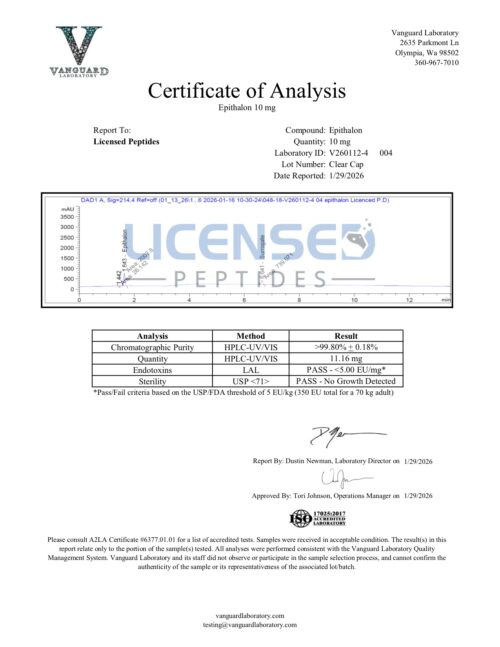
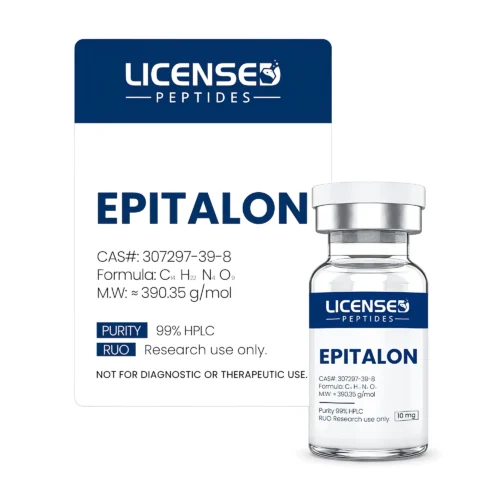 Epithalon (also known as Epitalon) is a synthetic tetrapeptide used in laboratory research to study telomere biology, peptide signaling, and related cellular pathways in controlled experimental systems. This product is supplied strictly for research use only. It is not approved or intended for human or animal use, and any discussion of biological activity refers only to preclinical or in vitro research. Epithalon has attracted significant interest within the fields of aging biology and molecular research due to its observed interactions with telomerase activity and telomere dynamics in controlled experimental models. Telomeres are repetitive nucleotide sequences located at the ends of chromosomes that function as protective structures, maintaining chromosomal stability during successive cellular divisions. Progressive telomere shortening has been consistently associated with cellular senescence and replicative limits in a wide range of in vitro and experimental studies. Experimental investigations involving Epithalon have primarily focused on its molecular signaling properties, gene expression modulation, and chromosomal endpoint behavior under laboratory conditions. These findings are derived from controlled research environments and are intended solely to advance scientific understanding of cellular aging mechanisms and peptide–DNA interactions. Epithalon supplied for research applications is typically manufactured to high purity standards and is characterized as an LPS-free peptide, endotoxin-free peptide, and research peptide endotoxin tested to ensure suitability for sensitive laboratory assays, cellular studies, and biochemical analysis. These quality attributes are critical for minimizing experimental interference and maintaining data integrity in research settings. Importantly, Epithalon is not approved for medical, veterinary, or dietary use. All discussion surrounding this compound pertains strictly to laboratory, cellular, or experimental research settings. No claims are made regarding therapeutic outcomes, enhancement of human health, or clinical efficacy.
 -
2 for 1
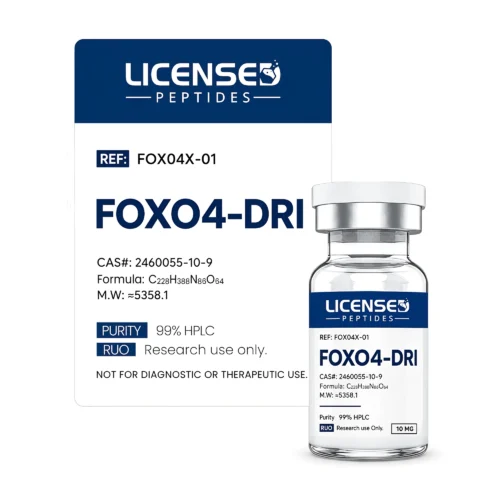 FOXO4-DRI (FOXO4-D-Retro-Inverso) is a synthetic senolytic research peptide designed to interfere with the interaction between the transcription factor FOXO4 and the tumor-suppressor protein p53. This interaction is associated with the survival of senescent cells. By disrupting the FOXO4–p53 interaction, FOXO4-DRI has been investigated for its ability to promote apoptosis, or programmed cell death, in selected senescent-cell models.
 -
2 for 1
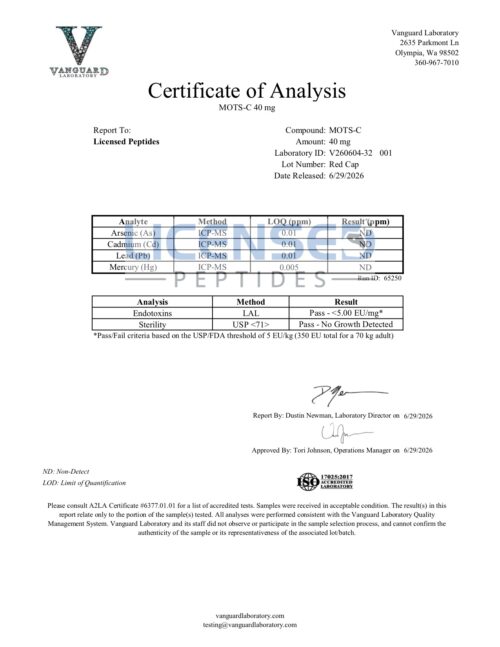
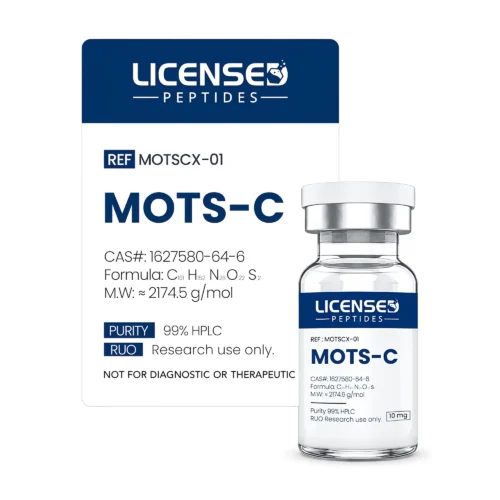
Licensed Peptides: MOTS-C Peptide
-
- ISO-certified cleanroom manufacturing
- 99%+ verified purity through HPLC analysis
- Comprehensive batch testing and analytical verification
- Lyophilized for stability during storage and transport
- Batch-specific Certificates of Analysis available
What Is MOTS-C?
MOTS-C is a mitochondrial-encoded peptide that originates from mitochondrial DNA. Unlike many signaling molecules made from nuclear genes, MOTS-C is encoded by the mitochondrial genome.¹ MOTS-C has attracted interest because of its involvement in mitochondrial signaling and cell-to-cell communication pathways.¹² Researchers are still investigating mitochondrion-derived peptides’ roles in broader biological signaling pathways.²³Why Researchers Study MOTS-C
In a landmark study in Cell Metabolism, Lee and colleagues identified MOTS-C as a mitochondrial-derived peptide. They also reported on its role in cellular metabolic regulation. They found that it supports adaptive stress-response pathways in experimental models.¹ Later research by Kim and others showed that MOTS-C may move into the nucleus. This can happen during certain types of metabolic stress. The authors suggested that this process may support communication between mitochondria and the nucleus. It may also affect gene regulation within cells.² Current research looks at these mechanisms in lab and preclinical models. However, there are still gaps in understanding how they work in humans.³Mitochondrial Biology Research
One of the most distinctive characteristics of MOTS-C is its mitochondrial origin.¹ Mitochondrial-derived peptides may act as signals between mitochondria and the nucleus. They may help cells adapt under experimental conditions.²,³Cellular Signaling Research
Investigations have examined MOTS-C within experimental models that evaluate cellular communication systems. The published studies have explored intracellular signaling pathways and nuclear translocation mechanisms. They also examined gene-regulatory activity and molecular communication networks. These factors may influence cellular adaptation responses.²,³Current Research Limitations
Most published evidence on MOTS-C originates from laboratory and preclinical animal studies.³⁴ Large human clinical trials haven’t been published in peer-reviewed journals. These trials are still needed to confirm MOTS-C’s safety, efficacy, or therapeutic uses.³⁴ As a result, MOTS-C is a research compound exclusively for scientific investigation. Ongoing studies continue to evaluate its biological mechanisms, signaling pathways, and potential relevance within experimental research settings.³⁴References
• Lee C, Zeng J, Drew BG, Sallam T, Martin-Montalvo A, Wan J, et al. The Mitochondrial-Derived Peptide MOTS-c Promotes Metabolic Homeostasis and Reduces Obesity and Insulin Resistance. Cell Metabolism. 2015;21(3):443-454. doi:10.1016/j.cmet.2015.02.009. • Kim KH, Son JM, Benayoun BA, Lee C. The Mitochondrial-Encoded Peptide MOTS-c Translocates to the Nucleus to Regulate Nuclear Gene Expression in Response to Metabolic Stress. Cell Metabolism. 2018;28(3):516-524.e7. doi:10.1016/j.cmet.2018.06.008. • Lu H, Tang S, Xue C, et al. MOTS-c: An Equal Player in Mitochondrial Function and Aging? Frontiers in Endocrinology. 2023;14:1120533. doi:10.3389/fendo.2023.1120533. • ClinicalTrials.gov. A Study of CB4211 (MOTS-c) in Participants With Prediabetes and Overweight or Obesity (Phase 2a). Identifier: NCT07505745.Important Notice
This product is supplied strictly for research use only. It is not approved or intended for human or animal use, consumption, therapeutic use, clinical application, or diagnostic purposes. Any discussion of biological activity refers solely to laboratory, in vitro, or preclinical research. -
-
2 for 1
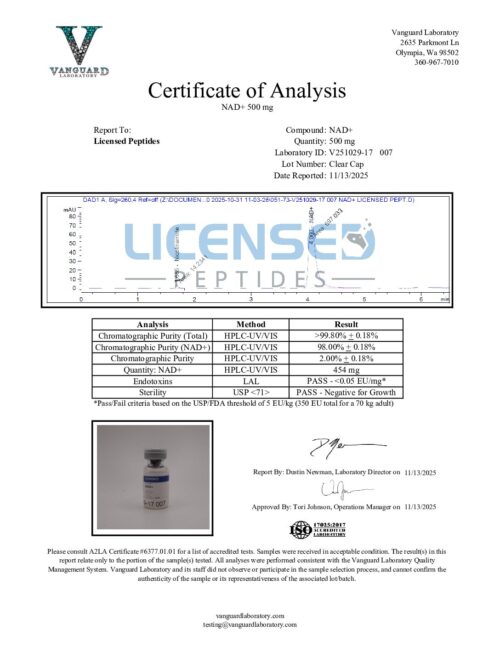
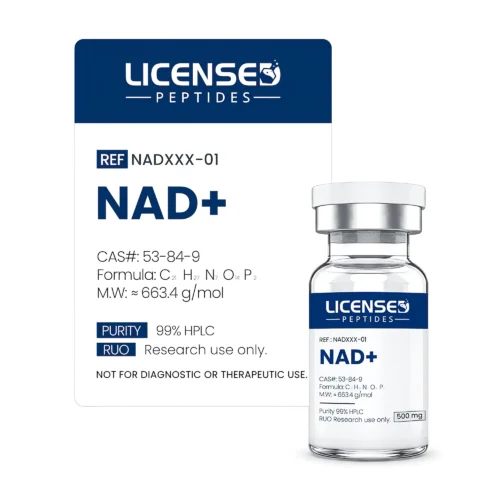 NAD+ is a laboratory research material used to study cellular redox biology, coenzyme function, and metabolic signaling pathways in controlled experimental systems. This product is supplied strictly for research use only. It is not approved or intended for human or animal use, and any discussion of biological activity refers only to preclinical or in vitro research. For experimental consistency and analytical accuracy, research-grade NAD+ materials are typically characterized by high purity, manufactured under controlled conditions, and verified as LPS-free peptide, endotoxin-free peptide, and research peptides endotoxin tested, ensuring minimal interference with sensitive cellular and biochemical assays. These quality parameters are essential for maintaining reproducibility and validity in advanced laboratory research. This material is intended strictly for research purposes only. Not for human or animal use.
 -
2 for 1
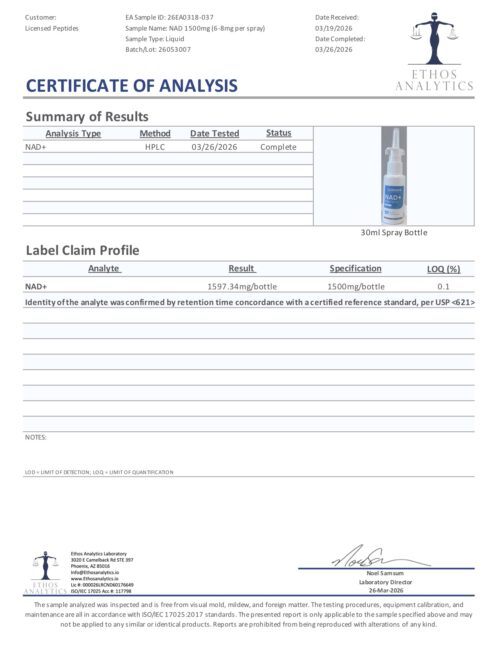
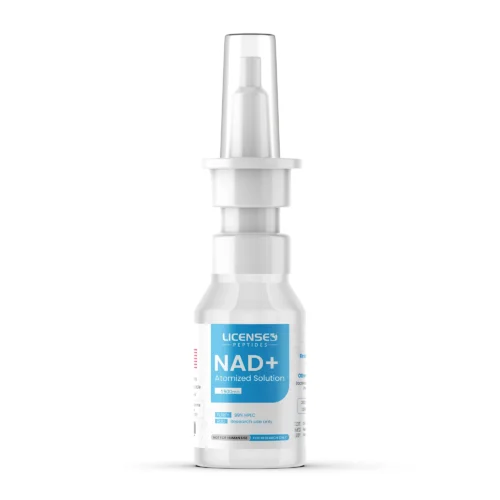 NAD+ Atomized Solution 30ml is supplied strictly for laboratory research use only. This material is intended for analytical and controlled research applications. It is not approved or intended for human or animal use, ingestion, dosing, or therapeutic application. This product is not a nasal spray and is not manufactured, labeled, or offered for nasal or other human administration. It is not intended for ingestion, inhalation, injection, topical application, or introduction into the human or animal body by any route.
 -
2 for 1
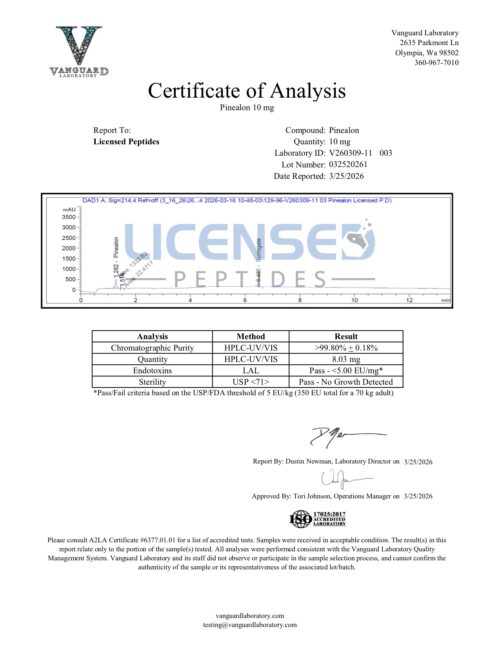
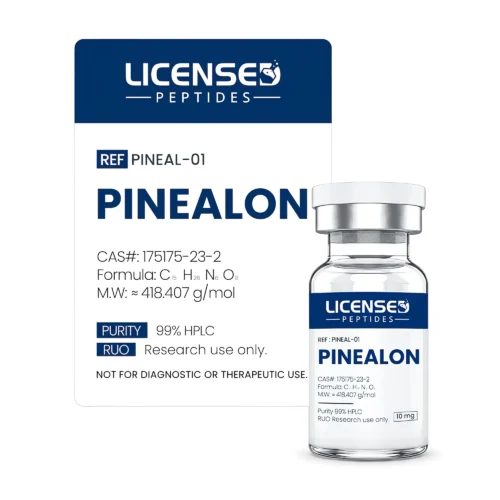 Pinealon is a synthetic tripeptide used in laboratory research to study peptide behavior, cellular signaling, and experimental pathway responses in controlled systems. This product is supplied strictly for research use only. It is not approved or intended for human or animal use, and any discussion of biological activity refers only to preclinical or in vitro research.
 -
2 for 1
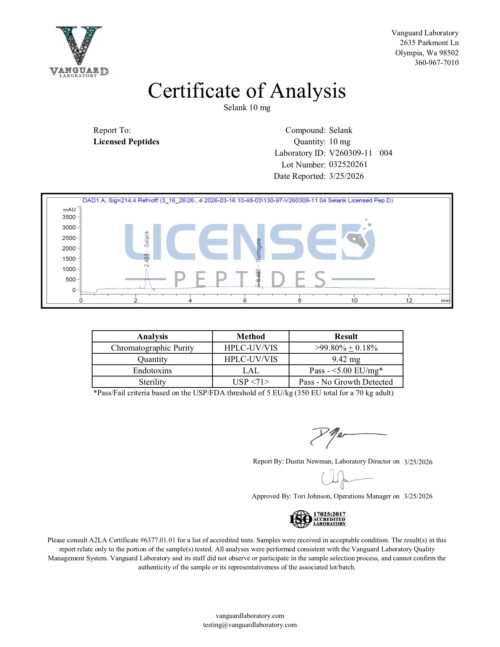
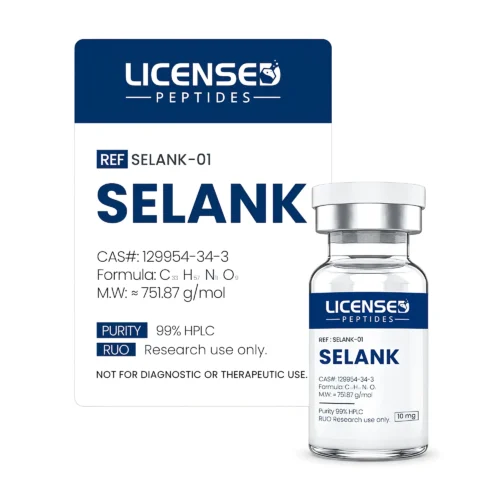 Selank 10mg is a laboratory research peptide used to study peptide behavior, receptor interactions, and cellular signaling pathways in controlled experimental systems. This product is supplied strictly for research use only. It is not approved or intended for human or animal use, and any discussion of biological activity refers only to preclinical or in vitro research.
 -
2 for 1
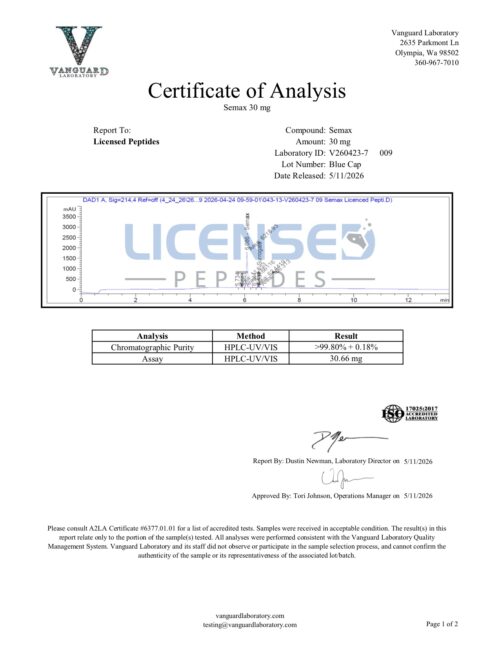
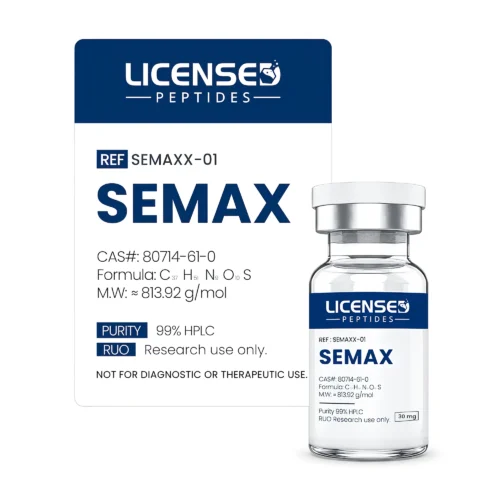 Semax 30mg is a laboratory research peptide used to study peptide behavior, receptor interactions, and cellular signaling pathways in controlled experimental systems. This product is supplied strictly for research use only. It is not approved or intended for human or animal use, and any discussion of biological activity refers only to preclinical or in vitro research.
 -
2 for 1
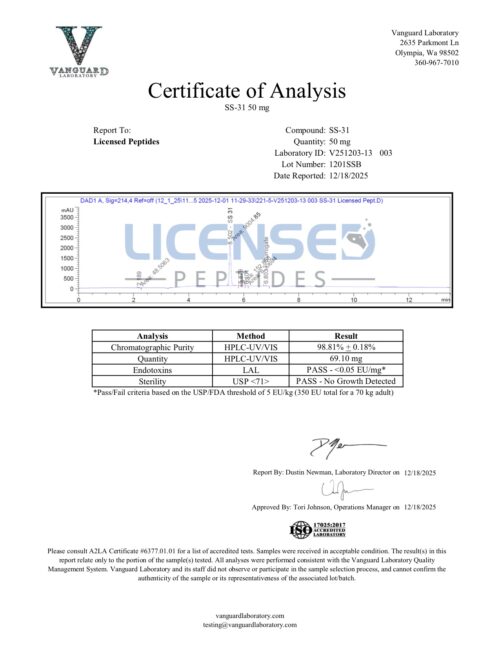
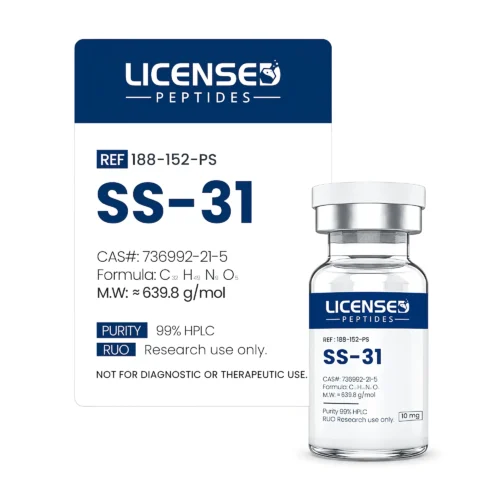 SS-31 is a laboratory research peptide used to study mitochondrial membrane interactions, cardiolipin binding, and cellular signaling pathways in controlled experimental systems. This product is supplied strictly for research use only. It is not approved or intended for human or animal use, and any discussion of biological activity refers only to preclinical or in vitro research. One of the unique aspects of SS-31 is its specific affinity for cardiolipin, a phospholipid located within the inner mitochondrial membrane that is essential for maintaining electron transport chain structure and membrane integrity. Disturbances in cardiolipin stability are commonly examined in research involving oxidative stress, mitochondrial dysfunction, and bioenergetic decline. SS-31’s ability to interact with cardiolipin has therefore made it a recurring subject in studies investigating how mitochondrial membrane condition affects broader cellular behavior. Additionally, research has documented that SS-31 may influence the production of reactive oxygen species (ROS) at the mitochondrial level. Excessive ROS production is commonly evaluated in studies on cellular stress, inflammation, and mitochondrial impairment. By focusing on mitochondria directly, rather than acting as a broad-spectrum antioxidant, SS-31 offers researchers a pathway to study targeted mechanisms of oxidative modulation rather than systemic antioxidant activity. For laboratory use, SS-31 is commonly supplied as a high-purity, LPS-free peptide, manufactured to meet strict research standards. As an endotoxin-free peptide, it is frequently utilized in sensitive in vitro and ex vivo experimental setups where contamination control is critical. Research peptides such as SS-31 are typically endotoxin tested to support reproducibility and reliability across mitochondrial and cellular research applications. This compound is intended strictly for research use only and is not approved for human or animal use.
 -
2 for 1Sold Out
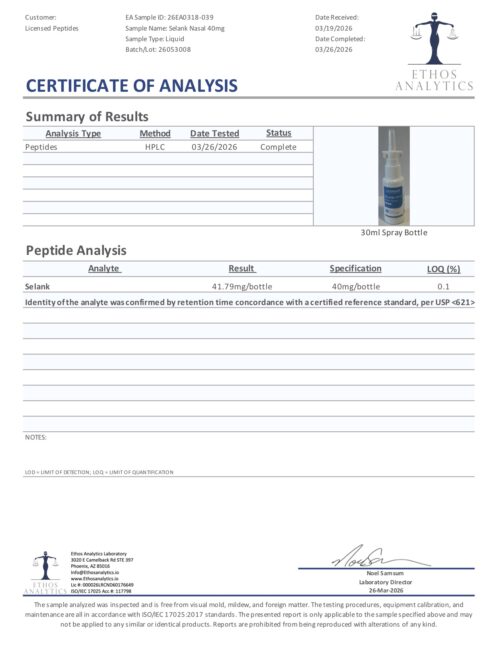
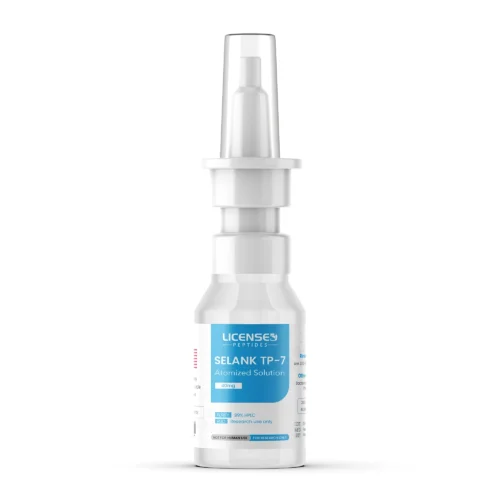 40mg per 30ml bottle - 200mcg per actuation - 200 actuations per bottle This product is not a nasal spray and is not manufactured, labeled, or offered for nasal or other human administration. It is not intended for ingestion, inhalation, injection, topical application, or introduction into the human or animal body by any route. Selank is a synthetic heptapeptide based on the naturally occurring peptide tuftsin. It is employed in laboratory studies as a tool for examining neurochemical signaling, gene regulation, and peptide-mediated effects on immune and neuroendocrine systems. Research primarily explores its biochemical activity in controlled cell systems and animal models.