Popular Peptides
Popular Peptides collects the compounds our customers reorder most often, so you can skip the catalogue and go straight to what laboratories actually keep in stock. The list is led by BPC-157, LP3-R, Ipamorelin, TB-500 (Thymosin Beta-4) 10mg and GHK-Cu, alongside blends, atomized solutions and bioregulators.
Everything here is manufactured in GMP-certified United States facilities and independently verified at 99%+ purity by high-performance liquid chromatography and mass spectrometry. Each batch is also screened for endotoxins and heavy metals, and the Certificate of Analysis for the lot you receive is published in our testing library before you buy. Vials ship cold from the U.S. All items on this page are supplied strictly for research use only and are not for human or animal consumption.
-
2 for 1
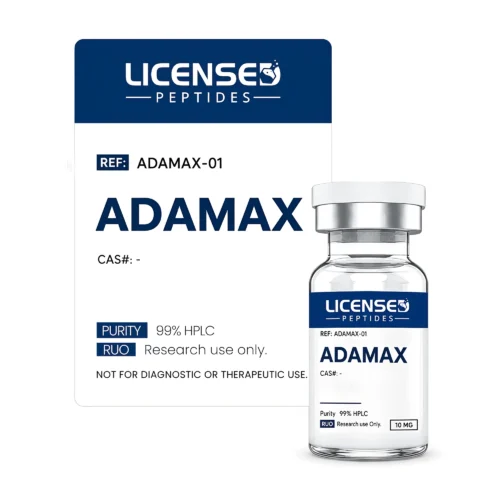 Adamax is a relatively obscure synthetic research peptide generally described as a modified analogue of Semax. It is discussed primarily in the context of experimental neuroscience and nootropic research. However, the scientific literature surrounding Adamax itself is very limited, and several sources use the name inconsistently, so its exact chemical identity should be verified against analytical documentation such as a COA and structural specification. Adamax is commonly described as incorporating modifications to the Semax peptide backbone, with an adamantane-related structural component intended to alter properties such as molecular stability and lipophilicity. These modifications have led to hypotheses that the compound may behave differently from conventional Semax, particularly with respect to enzymatic degradation and central-nervous-system exposure.
 -
2 for 1
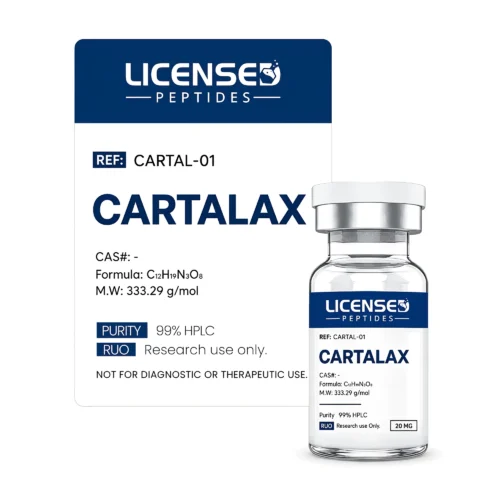 Cartalax is a synthetic short-chain peptide commonly described as Ala-Glu-Asp (AED). It is classified as a peptide bioregulator and has primarily been studied in relation to cartilage, connective tissue, and cellular processes. Cartalax is a small tripeptide investigated for its potential biological effects on cartilage and connective-tissue-related processes. Current research is primarily preclinical, and its mechanisms and potential applications continue to be investigated.
 -
2 for 1
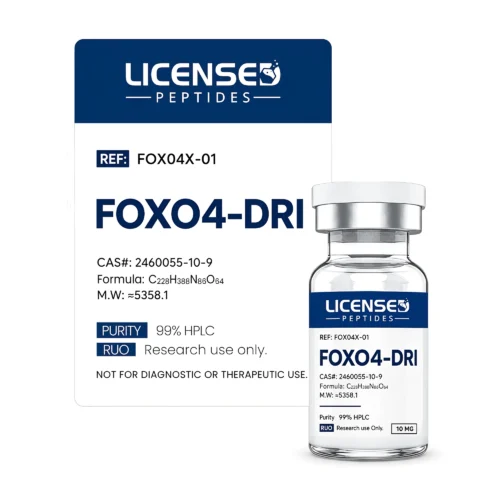 FOXO4-DRI (FOXO4-D-Retro-Inverso) is a synthetic senolytic research peptide designed to interfere with the interaction between the transcription factor FOXO4 and the tumor-suppressor protein p53. This interaction is associated with the survival of senescent cells. By disrupting the FOXO4–p53 interaction, FOXO4-DRI has been investigated for its ability to promote apoptosis, or programmed cell death, in selected senescent-cell models.
 -
2 for 1
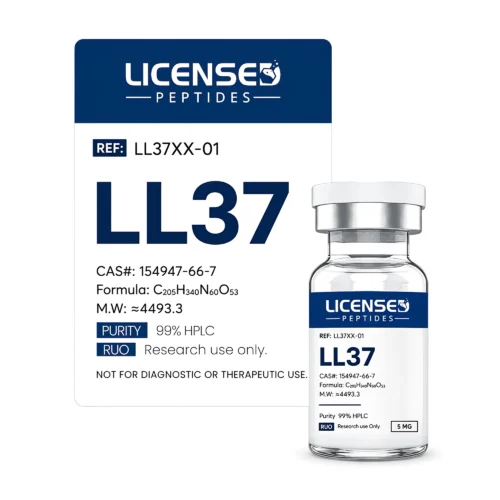 LL-37 is a 37-amino-acid antimicrobial peptide derived from the human cathelicidin precursor hCAP18. As a research peptide, it is studied for its potential roles in antimicrobial activity, immune signaling, inflammation, cell migration, and tissue repair. Its positively charged, amphipathic structure allows it to interact with biological membranes and cellular components, making it a useful subject for research in microbiology, immunology, cell biology, and peptide science. LL-37 remains an experimental research compound, and laboratory findings do not establish clinical use or safety.
 -
2 for 1
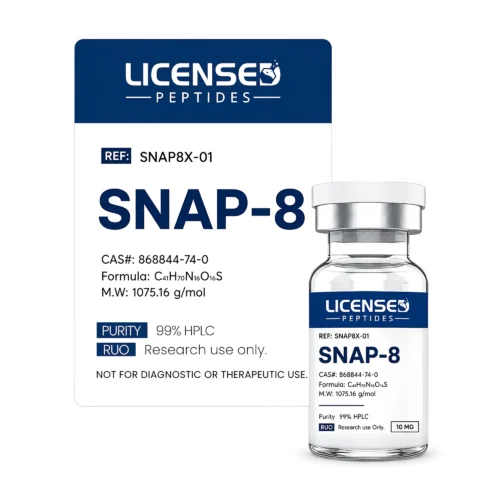 SNAP-8 is generally identified in cosmetic ingredient terminology as acetyl octapeptide-3.The name reflects its structure: “acetyl” refers to the attached acetyl group, while “octapeptide” indicates that the peptide contains eight amino acids. It is sometimes described in consumer products as an “acetyl hexapeptide serum,” but this terminology can lead to confusion with Argireline, which is commonly associated with acetyl hexapeptide-8 and, in some older ingredient references, acetyl hexapeptide-3. Although SNAP-8 and Argireline are both cosmetic peptides often discussed for their wrinkle-related applications, they are different ingredients and should not be considered interchangeable.
 -
2 for 1
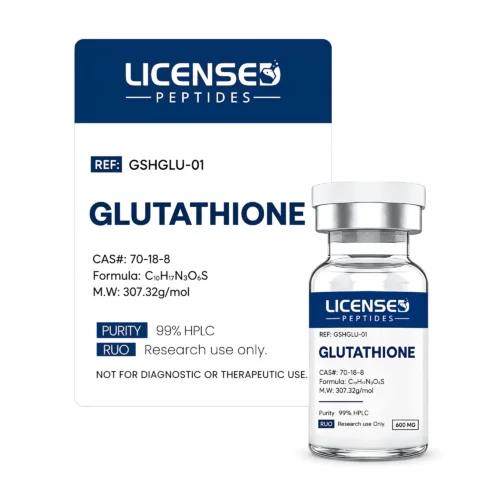 Glutathione 600mg is supplied strictly for laboratory research use only. This material is intended for analytical and controlled research applications. It is not approved or intended for human or animal use, ingestion, dosing, or therapeutic application. Glutathione is a tripeptide (glutamate–cysteine–glycine) widely used as a reference compound in redox-biology and enzymology research. Published in-vitro literature has characterised it in the following experimental contexts: Redox chemistry. The reduced (GSH) and oxidised (GSSG) forms are commonly quantified as a ratio in cell-culture models used to describe oxidative state. Interconversion between the two forms is catalysed by glutathione reductase. Conjugation chemistry. Glutathione S-transferase enzymes catalyse conjugation of glutathione to electrophilic substrates, a reaction frequently used in enzymology and metabolite-identification assays. Antioxidant cycling models. Its chemical interaction with ascorbate and tocopherol has been described in model systems. Cell-signalling literature. Intracellular glutathione concentration is reported as an experimental variable in published lymphocyte and natural-killer-cell assay models. Enzyme-inhibition literature. Interaction with tyrosinase has been described in in-vitro pigment-chemistry studies. The material is produced as a high-purity research reagent under controlled conditions, with batch-level quality control to support reproducibility across laboratory studies. This product is intended strictly for research and laboratory use only. Not for human or animal use. No statement on this page describes or implies any physiological, cosmetic, diagnostic, or therapeutic effect in humans or animals.
 -
2 for 1
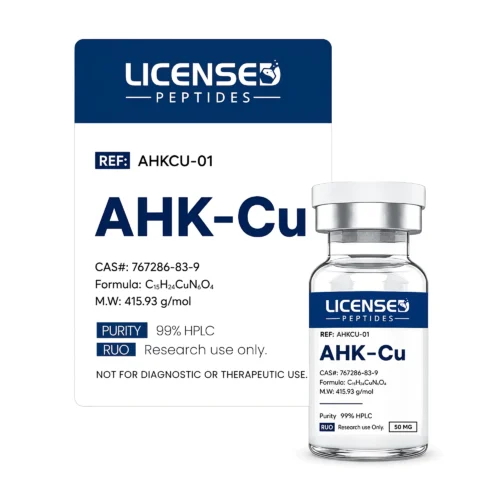 AHK-Cu is a synthetic copper-associated tripeptide consisting of three amino acids—alanine, histidine, and lysine—that form a complex with a copper ion. It is commonly identified in research literature as AHK-Cu or Copper Tripeptide-3. In contrast to GHK-Cu (Copper Tripeptide-1), a naturally occurring copper-binding peptide that has been detected in biological fluids such as plasma, saliva, and urine, AHK-Cu is a synthetically produced peptide developed for experimental research. Its alanine–histidine–lysine sequence has been investigated for its interactions with cellular signaling pathways, particularly those associated with dermal papilla cell activity, hair follicle biology, and cellular survival mechanisms. Preclinical research has explored its potential effects on follicular tissue and related signaling processes, although these findings remain primarily based on laboratory and ex-vivo studies.
 -
2 for 1
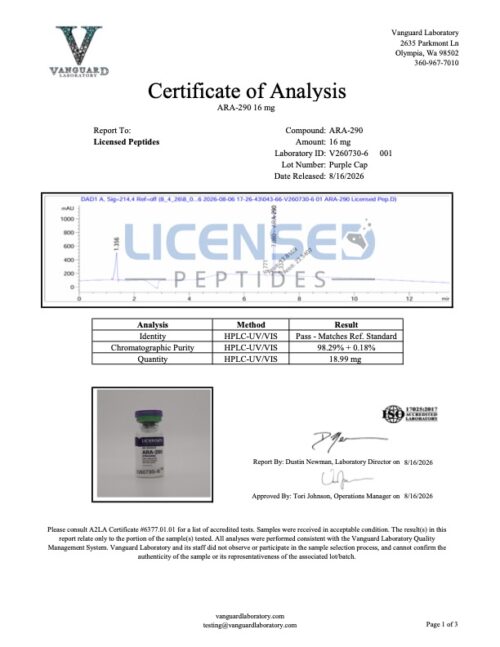
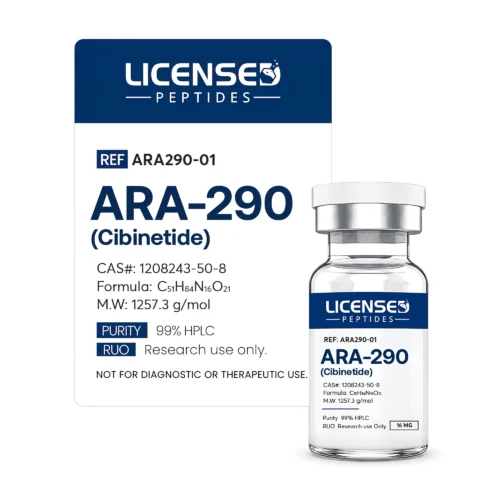 ARA-290 (cibinetide) is an 11-amino-acid synthetic peptide derived from the erythropoietin (EPO) sequence. It is used in laboratory research as a selective ligand for the innate repair receptor (IRR), a heteromeric receptor complex composed of the erythropoietin receptor and the β-common receptor. It is supplied strictly for laboratory research use only and is not approved or intended for human or animal use, ingestion, dosing, or therapeutic application. Published research context In the peer-reviewed literature the IRR is described as being expressed at low levels under baseline conditions and upregulated in experimental models of tissue stress, inflammation, or ischemia. Published in-vitro and animal-model studies have characterised IRR activation in relation to: • Inflammatory signalling cascades • Cytokine expression profiles • Apoptotic and oxidative-stress markers • Tissue-remodelling and regeneration models • Neuronal-signalling models Published work also reports that cibinetide does not substantially activate the homodimeric erythropoietin receptor associated with erythropoiesis, which is why it is frequently used as a comparator to EPO in receptor-selectivity experiments. These descriptions summarise published experimental observations only and are provided for scientific context. They must not be interpreted as claims of therapeutic, diagnostic, or clinical benefit. This product is intended strictly for research and laboratory use only. Not for human or animal use. No statement on this page describes or implies any physiological, cosmetic, diagnostic, or therapeutic effect in humans or animals.
 -
2 for 1

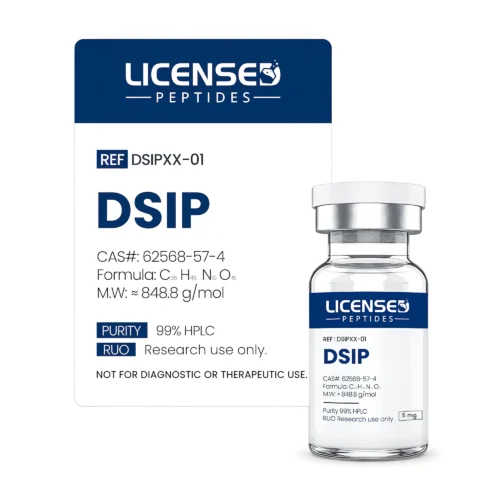 DSIP is a research peptide used in laboratory studies of peptide signaling, receptor interactions, and neurochemical pathways in controlled experimental systems. This product is supplied strictly for research use only. DSIP 5mg is not approved or intended for human or animal use, and any discussion of biological activity refers only to preclinical or in vitro research.
 -
2 for 1
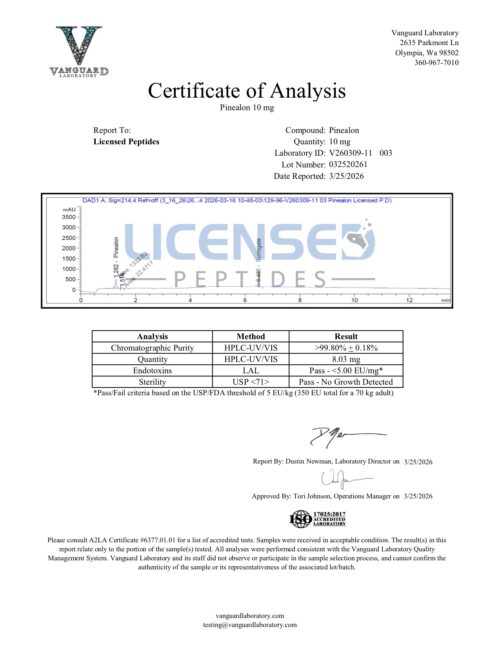
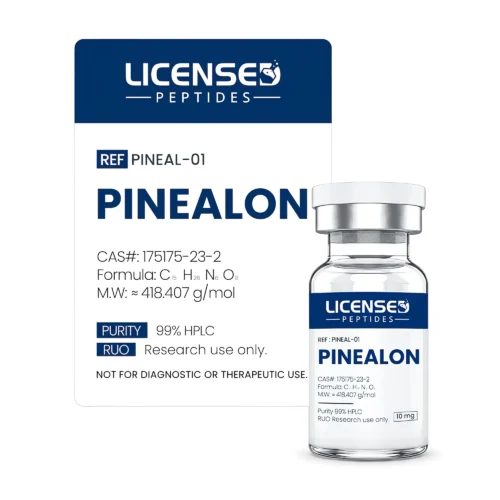 Pinealon is a synthetic tripeptide used in laboratory research to study peptide behavior, cellular signaling, and experimental pathway responses in controlled systems. This product is supplied strictly for research use only. It is not approved or intended for human or animal use, and any discussion of biological activity refers only to preclinical or in vitro research.
 -
2 for 1
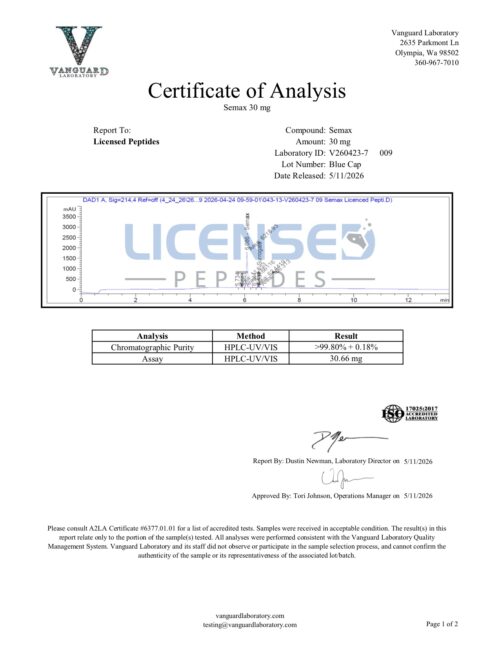
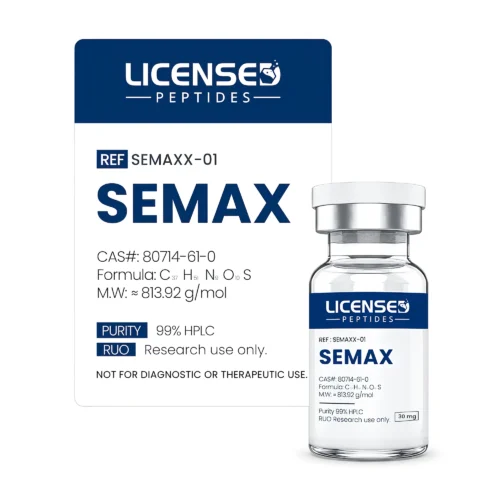 Semax 30mg is a laboratory research peptide used to study peptide behavior, receptor interactions, and cellular signaling pathways in controlled experimental systems. This product is supplied strictly for research use only. It is not approved or intended for human or animal use, and any discussion of biological activity refers only to preclinical or in vitro research.
 -
2 for 1
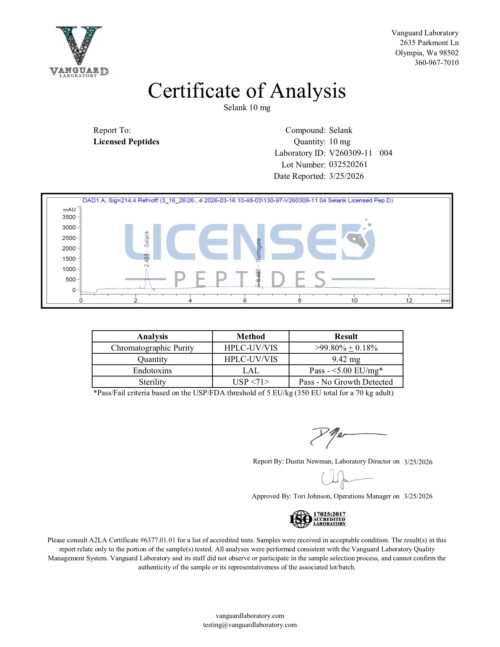
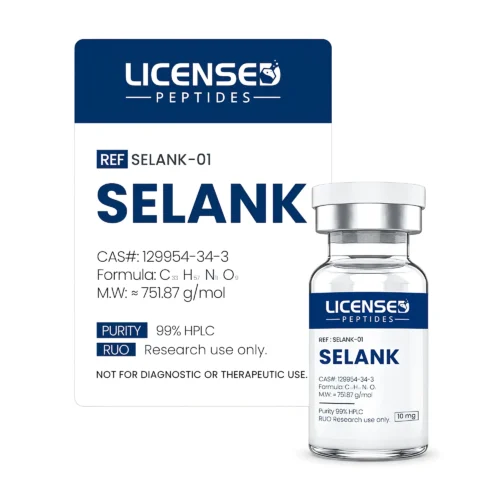 Selank 10mg is a laboratory research peptide used to study peptide behavior, receptor interactions, and cellular signaling pathways in controlled experimental systems. This product is supplied strictly for research use only. It is not approved or intended for human or animal use, and any discussion of biological activity refers only to preclinical or in vitro research.