Research Peptides
-
2 for 1
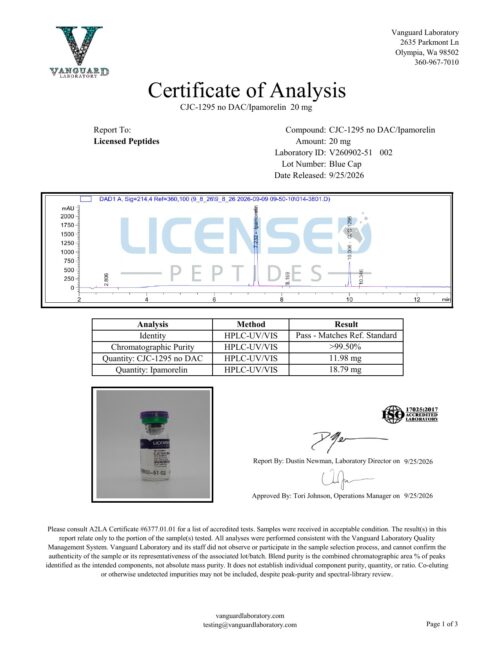
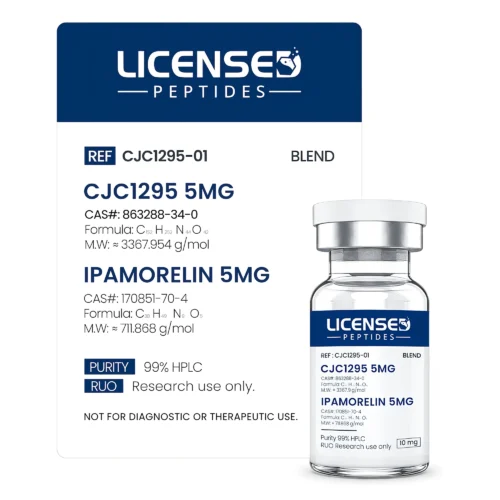 CJC-1295 (No DAC) and Ipamorelin 10mg (Blend) is a laboratory research formulation used to study GHRH-receptor and ghrelin-receptor signaling in controlled experimental systems. This product is supplied strictly for research use only. It is not approved or intended for human or animal use, and any discussion of biological activity refers only to preclinical or in vitro research. Researchers frequently evaluate this blend for its precision, adaptability, and compatibility with time-dependent pulse-based study designs. The formulation is structured to engage two distinct yet complementary signaling pathways, allowing investigators to explore growth hormone release mechanisms without the presence of long-acting or continuously active compounds. In laboratory environments, this peptide blend is typically sourced as a high-purity, LPS-free peptide, manufactured under controlled conditions to minimize experimental variability. To support reproducibility and data integrity, the blend is commonly supplied as an endotoxin-free peptide, with batches undergoing research peptide endotoxin testing prior to release. These quality measures are essential for studies involving sensitive cellular, molecular, or biochemical assays where contamination could compromise outcomes. This product is intended strictly for research and laboratory use only. It is not for human or animal use, and it is not approved for diagnostic, therapeutic, or clinical applications.
 -
2 for 1

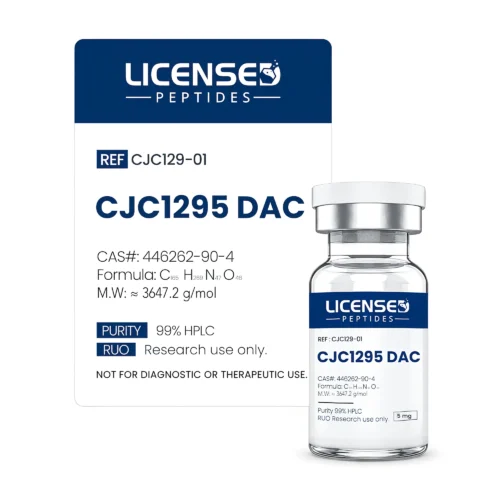 CJC-1295 DAC manufactured in GMP-certified U.S. facilities and independently analyzed for molecular identity, purity, sterility, and consistency through a 6-point verification process. Certificates of analysis (COA) are available for every batch we supply. Important Notice – We supply CJC-1295 DAC peptide exclusively for research. It’s not approved for human or veterinary use. Any discussion concerning the biological activity of CJC-1295 refers to preclinical and in vitro studies only.
 -
2 for 1
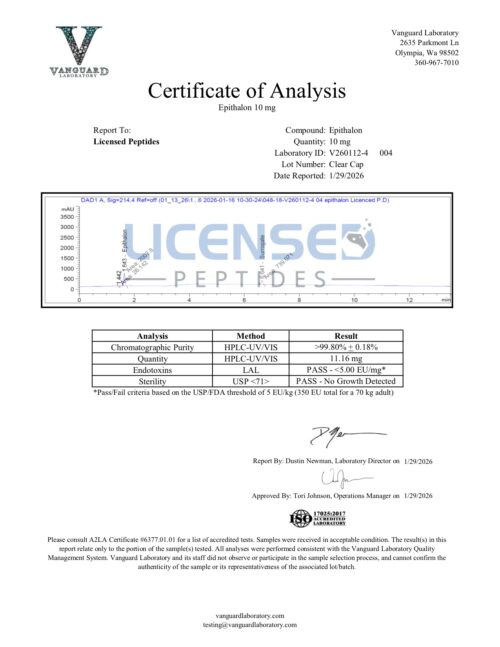
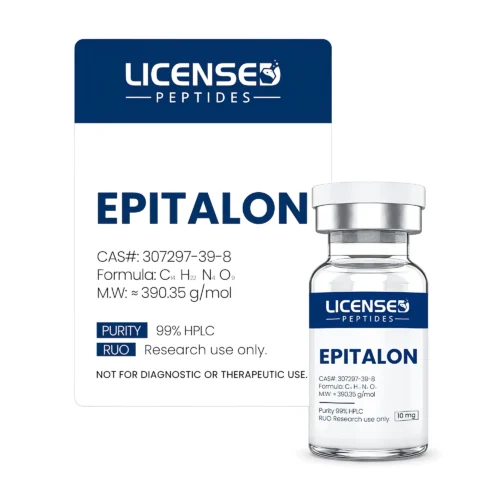 Epithalon (also known as Epitalon) is a synthetic tetrapeptide used in laboratory research to study telomere biology, peptide signaling, and related cellular pathways in controlled experimental systems. This product is supplied strictly for research use only. It is not approved or intended for human or animal use, and any discussion of biological activity refers only to preclinical or in vitro research. Epithalon has attracted significant interest within the fields of aging biology and molecular research due to its observed interactions with telomerase activity and telomere dynamics in controlled experimental models. Telomeres are repetitive nucleotide sequences located at the ends of chromosomes that function as protective structures, maintaining chromosomal stability during successive cellular divisions. Progressive telomere shortening has been consistently associated with cellular senescence and replicative limits in a wide range of in vitro and experimental studies. Experimental investigations involving Epithalon have primarily focused on its molecular signaling properties, gene expression modulation, and chromosomal endpoint behavior under laboratory conditions. These findings are derived from controlled research environments and are intended solely to advance scientific understanding of cellular aging mechanisms and peptide–DNA interactions. Epithalon supplied for research applications is typically manufactured to high purity standards and is characterized as an LPS-free peptide, endotoxin-free peptide, and research peptide endotoxin tested to ensure suitability for sensitive laboratory assays, cellular studies, and biochemical analysis. These quality attributes are critical for minimizing experimental interference and maintaining data integrity in research settings. Importantly, Epithalon is not approved for medical, veterinary, or dietary use. All discussion surrounding this compound pertains strictly to laboratory, cellular, or experimental research settings. No claims are made regarding therapeutic outcomes, enhancement of human health, or clinical efficacy.
 -
2 for 1
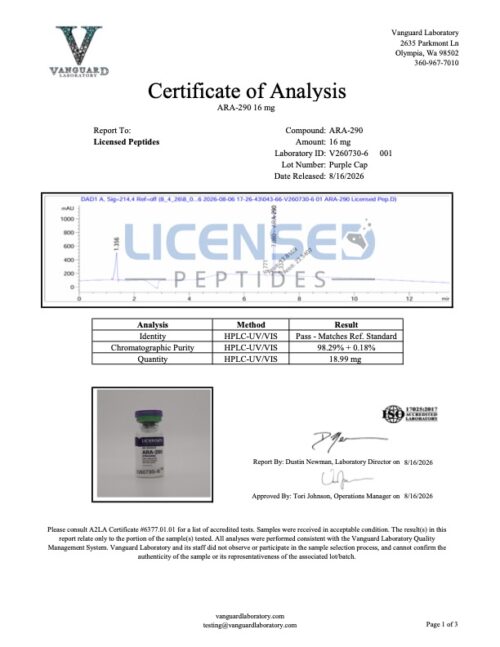
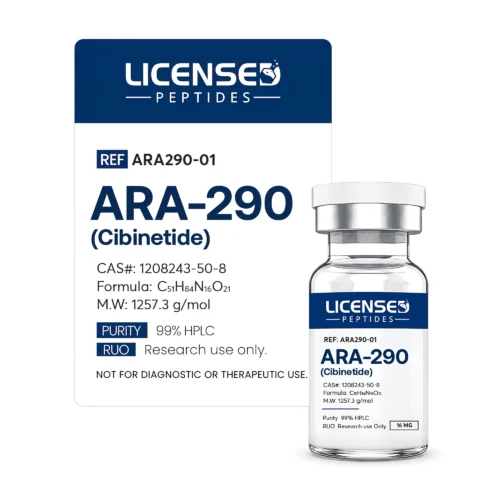 ARA-290 (cibinetide) is an 11-amino-acid synthetic peptide derived from the erythropoietin (EPO) sequence. It is used in laboratory research as a selective ligand for the innate repair receptor (IRR), a heteromeric receptor complex composed of the erythropoietin receptor and the β-common receptor. It is supplied strictly for laboratory research use only and is not approved or intended for human or animal use, ingestion, dosing, or therapeutic application. Published research context In the peer-reviewed literature the IRR is described as being expressed at low levels under baseline conditions and upregulated in experimental models of tissue stress, inflammation, or ischemia. Published in-vitro and animal-model studies have characterised IRR activation in relation to: • Inflammatory signalling cascades • Cytokine expression profiles • Apoptotic and oxidative-stress markers • Tissue-remodelling and regeneration models • Neuronal-signalling models Published work also reports that cibinetide does not substantially activate the homodimeric erythropoietin receptor associated with erythropoiesis, which is why it is frequently used as a comparator to EPO in receptor-selectivity experiments. These descriptions summarise published experimental observations only and are provided for scientific context. They must not be interpreted as claims of therapeutic, diagnostic, or clinical benefit. This product is intended strictly for research and laboratory use only. Not for human or animal use. No statement on this page describes or implies any physiological, cosmetic, diagnostic, or therapeutic effect in humans or animals.
 -
2 for 1
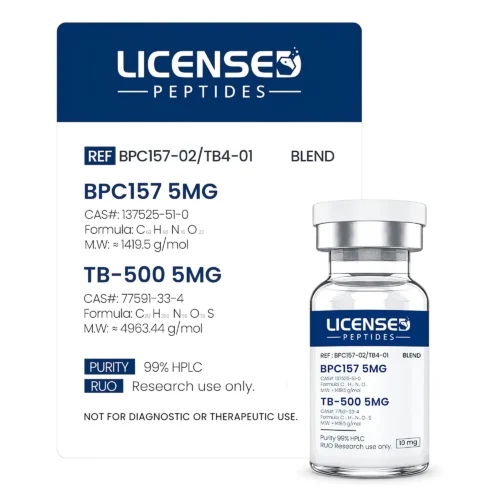
Research-Grade BPC-157 TB-500 Blend | Wolverine Stack Peptide
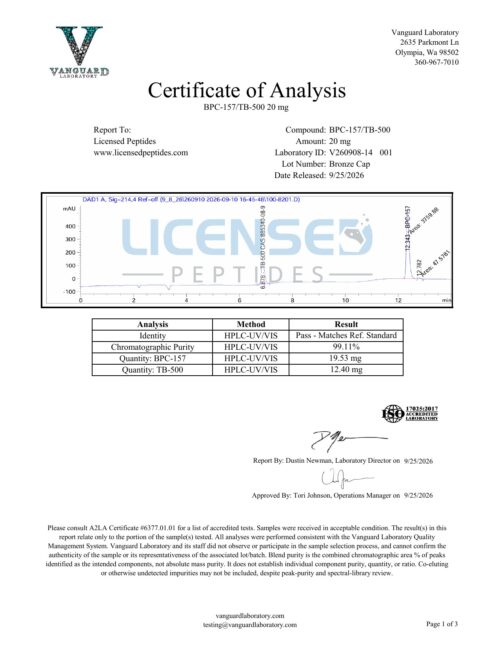
Our BPC-157 TB-500 Blend (Wolverine Stack) is a high-purity research peptide, made up of: At Licensed Peptides, we supply TB-500 BPC-157 exclusively for laboratory and scientific research. The research-grade standards behind every batch include:- SPPS Synthesized Peptides: Our BPC-157 TB-500 blend is synthesized via solid-phase peptide synthesis (SPPS) to ensure accuracy in its sequence and maximum purity.
- 99%+ HPLC-Verified Purity: Third-party labs test every batch of Wolverine Stack Peptide to confirm purity levels.
- Identity Confirmation Through Mass Spectrometry: We confirm molecular identity and peptide composition through analytical testing.
- Endotoxin Screening: We test our BPC-157 TB-500 blend for bacterial endotoxins.
- Certificates of Analysis: All batches of Wolverine Stack come with transparent documentation that provides detailed analytical results.
- Lyophilized BPC-157 for Stability: Freeze-drying helps preserve peptide integrity while shipping, storing, and handling in the lab.
- USA GMP Manufacturing: Our manufacturing partners follow strict quality standards.
- Same-Day Shipping: We ship any order in stock (placed before our daily cutoff) on the same day within the US.
Why Is This Blend Called Wolverine Stack?
Research circles gave the combination of BPC-157 and TB-500 the nickname Wolverine Stack because of its function in tissue biology and cellular signaling. This name is a nod to the comic book character, Wolverine. This blend is also listed under other names, such as Wolverine Stack Peptide, BPC-157 TB-500, or TB-500 BPC-157 blend.BPC-157 TB-500 Blend Product Specifications
Product Name BPC-157 TB-500 Blend Peptide Components BPC-157 + TB-500 (Thymosin Beta-4 Fragment) Purity 99%+ HPLC Verified Form Lyophilized Powder Manufacturing GMP-Compliant Facility Testing Third-Party Verified Quality Control Endotoxin Screened Certificate of Analysis Available Storage -20°C Long-Term Application Research Use Only Important Notice
We supply BPC-157 TB-500 blend strictly for research purposes. It’s not approved for human or veterinary use. Any discussion of biological activity in relation to BPC-157 TB-500 refers solely to analytical study, whether regarding preclinical or in vitro research. -
2 for 1
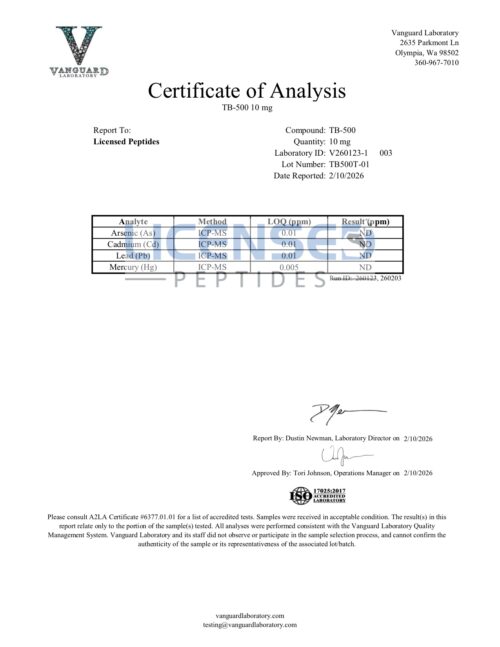
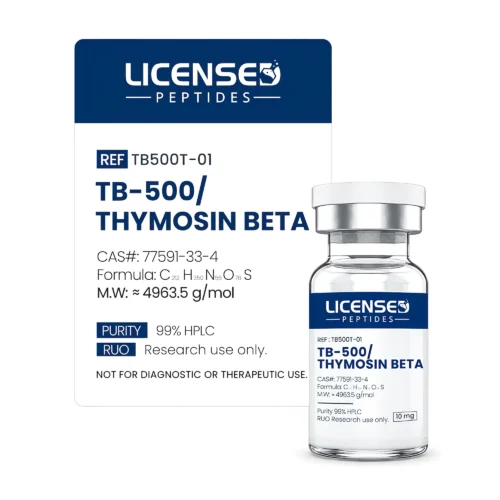 TB-500 (Thymosin Beta-4) 10mg is a laboratory research peptide used to study actin-related signaling, cellular migration, and experimental pathway responses in controlled systems. This product is supplied strictly for research use only. It is not approved or intended for human or animal use, and any discussion of biological activity refers only to preclinical or in vitro research TB-500 supplied for research applications is manufactured as a high purity, LPS-free peptide and is classified as an endotoxin-free peptide, ensuring minimal interference in sensitive experimental systems. Each batch is produced under stringent quality controls and is research peptides endotoxin tested, supporting reproducibility and reliability in in-vitro and preclinical study designs. This material is intended strictly for laboratory research and scientific investigation only. TB-500 is not intended for human or animal use, and no information herein should be interpreted as relating to therapeutic application, clinical outcomes, or direct biological benefit outside of controlled research settings.
 -
2 for 1
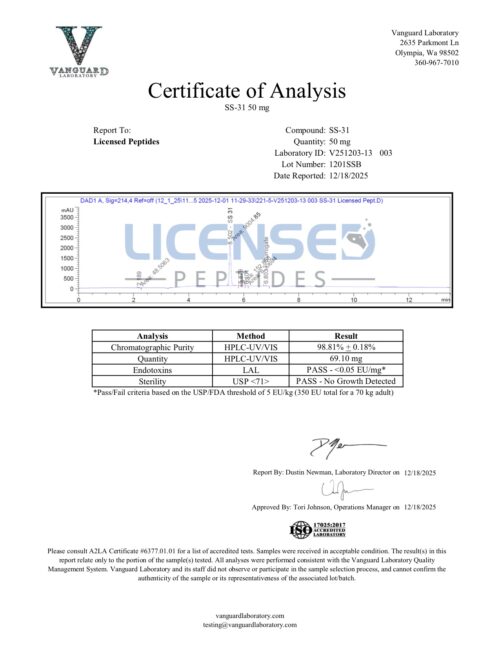
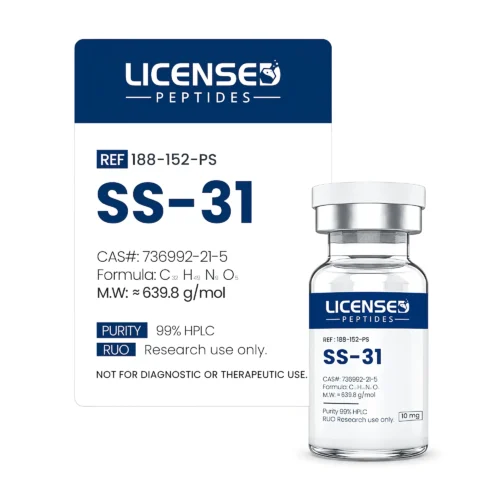 SS-31 is a laboratory research peptide used to study mitochondrial membrane interactions, cardiolipin binding, and cellular signaling pathways in controlled experimental systems. This product is supplied strictly for research use only. It is not approved or intended for human or animal use, and any discussion of biological activity refers only to preclinical or in vitro research. One of the unique aspects of SS-31 is its specific affinity for cardiolipin, a phospholipid located within the inner mitochondrial membrane that is essential for maintaining electron transport chain structure and membrane integrity. Disturbances in cardiolipin stability are commonly examined in research involving oxidative stress, mitochondrial dysfunction, and bioenergetic decline. SS-31’s ability to interact with cardiolipin has therefore made it a recurring subject in studies investigating how mitochondrial membrane condition affects broader cellular behavior. Additionally, research has documented that SS-31 may influence the production of reactive oxygen species (ROS) at the mitochondrial level. Excessive ROS production is commonly evaluated in studies on cellular stress, inflammation, and mitochondrial impairment. By focusing on mitochondria directly, rather than acting as a broad-spectrum antioxidant, SS-31 offers researchers a pathway to study targeted mechanisms of oxidative modulation rather than systemic antioxidant activity. For laboratory use, SS-31 is commonly supplied as a high-purity, LPS-free peptide, manufactured to meet strict research standards. As an endotoxin-free peptide, it is frequently utilized in sensitive in vitro and ex vivo experimental setups where contamination control is critical. Research peptides such as SS-31 are typically endotoxin tested to support reproducibility and reliability across mitochondrial and cellular research applications. This compound is intended strictly for research use only and is not approved for human or animal use.
 -
2 for 1
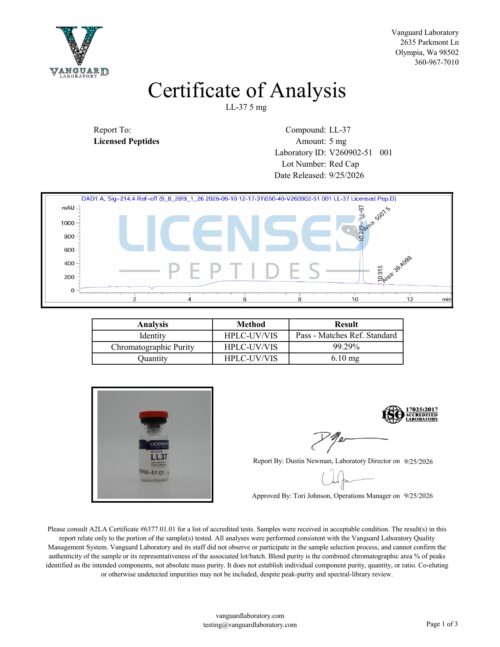
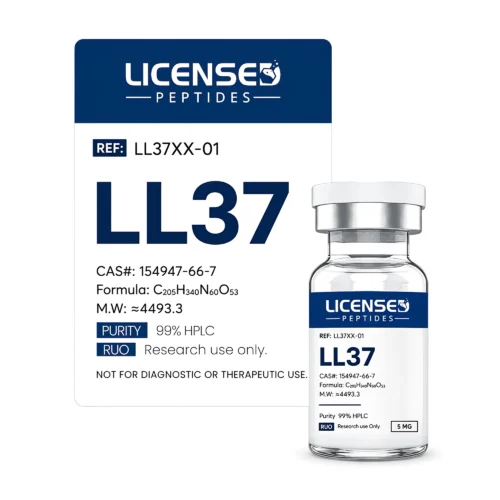 LL-37 is a 37-amino-acid antimicrobial peptide derived from the human cathelicidin precursor hCAP18. As a research peptide, it is studied for its potential roles in antimicrobial activity, immune signaling, inflammation, cell migration, and tissue repair. Its positively charged, amphipathic structure allows it to interact with biological membranes and cellular components, making it a useful subject for research in microbiology, immunology, cell biology, and peptide science. LL-37 remains an experimental research compound, and laboratory findings do not establish clinical use or safety.
 -
2 for 1
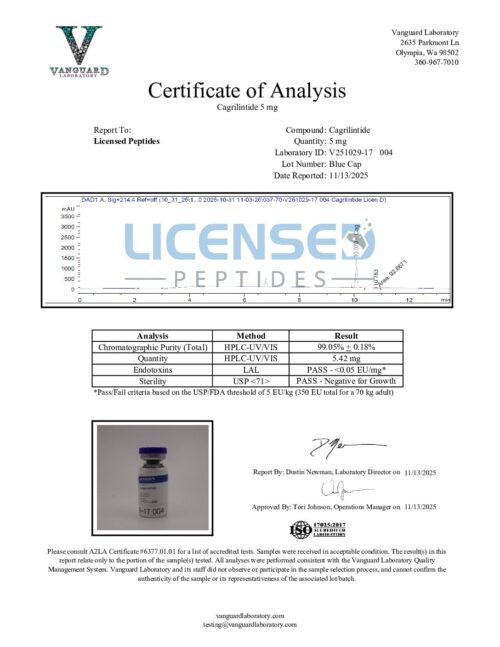
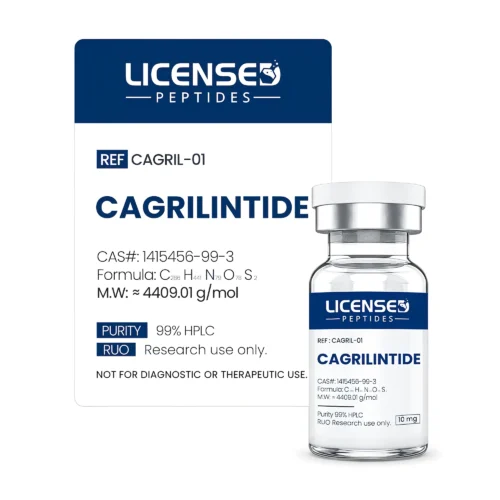 Cagrilintide is a long-acting amylin analogue currently under investigation for its potential roles in metabolic research. As a synthetic peptide modeled after the naturally occurring hormone amylin, co-secreted with insulin, Cagrilintide has demonstrated noteworthy effects in animal studies and controlled research environments. These findings have prompted increasing scientific interest in its interaction with appetite regulation pathways, metabolic signaling, and energy expenditure. While the molecule remains investigational, early data indicate that its mechanistic profile may offer multiple avenues for future study. Within experimental environments, Cagrilintide has been explored for its receptor activity, downstream signaling effects, and stability profile relative to native amylin. Research observations suggest that its extended duration of action and receptor engagement characteristics may offer multiple avenues for further mechanistic investigation. Ongoing studies continue to evaluate its role in metabolic signaling networks, peptide-receptor dynamics, and neuroendocrine communication pathways under controlled conditions. Cagrilintide supplied for research purposes is manufactured as a high-purity, LPS-free peptide and is endotoxin-free, ensuring suitability for sensitive laboratory applications. Each batch is produced under stringent quality controls and is research peptide endotoxin tested, supporting reproducibility and reliability in experimental settings where contaminant interference must be minimized. All information provided herein relates exclusively to laboratory, preclinical, or controlled research settings. Cagrilintide is not for human or animal consumption, not for therapeutic use, and is not intended to diagnose, treat, cure, or prevent any disease or condition. Its availability is strictly limited to qualified research use.
 -
2 for 1
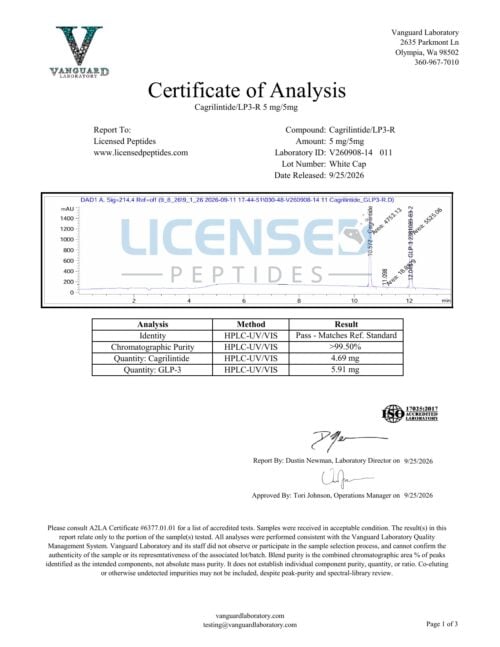
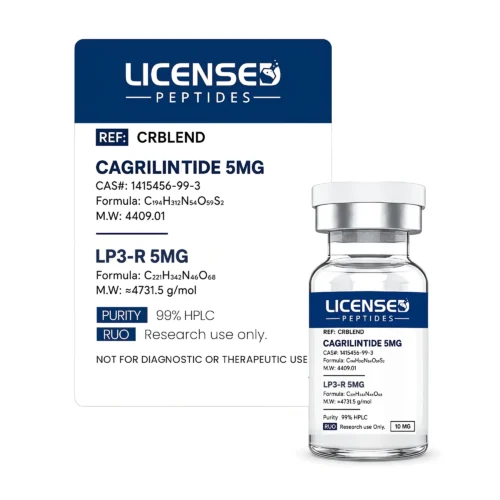
Licensed Peptides’ Cagrilintide / LP3-R Blend Product Specifications
Product Name Cagrilintide / LP3-R Blend Peptide Class Amylin Analogue + Triple Receptor Agonist Blend Composition 5mg Cagrilintide + 5mg LP3-R Per Vial Strength 10mg Total Per Vial Quantity 1 Vial — 2 for 1, second vial added free at checkout Purity 99%+ HPLC Verified Form Lyophilized Powder Manufacturing USA Facility Testing Third-Party Verified Documentation Certificate of Analysis Available Storage -20°C Long-Term Application Research Use Only Important Notice
We supply the Cagrilintide / LP3-R Blend for sale strictly for research purposes. It’s not approved for human or veterinary use. Any discussion of biological activity in relation to cagrilintide or LP3-R refers solely to analytical study, whether regarding preclinical or in vitro research. -
2 for 1
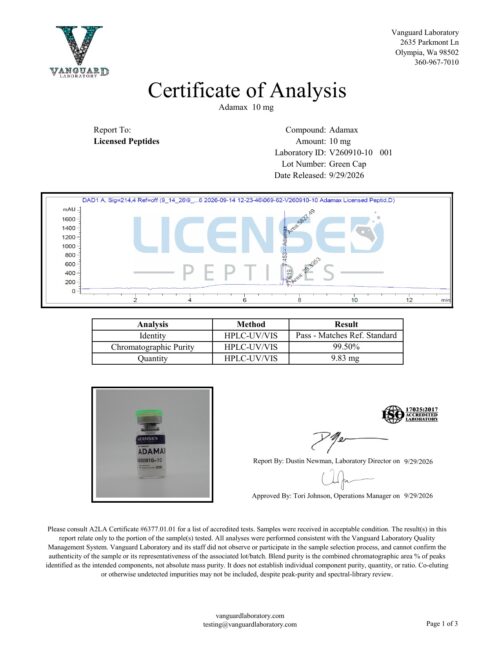
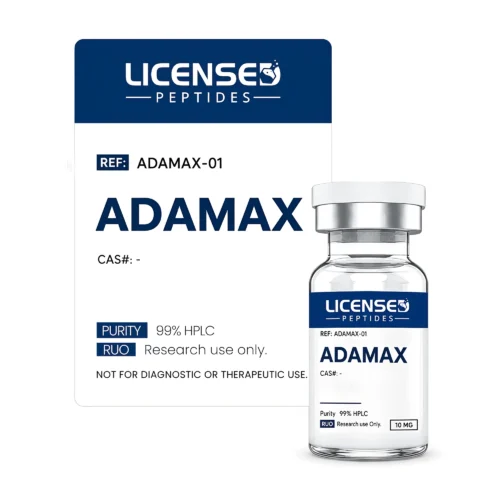 Adamax is a relatively obscure synthetic research peptide generally described as a modified analogue of Semax. It is discussed primarily in the context of experimental neuroscience and nootropic research. However, the scientific literature surrounding Adamax itself is very limited, and several sources use the name inconsistently, so its exact chemical identity should be verified against analytical documentation such as a COA and structural specification. Adamax is commonly described as incorporating modifications to the Semax peptide backbone, with an adamantane-related structural component intended to alter properties such as molecular stability and lipophilicity. These modifications have led to hypotheses that the compound may behave differently from conventional Semax, particularly with respect to enzymatic degradation and central-nervous-system exposure.
 -
2 for 1
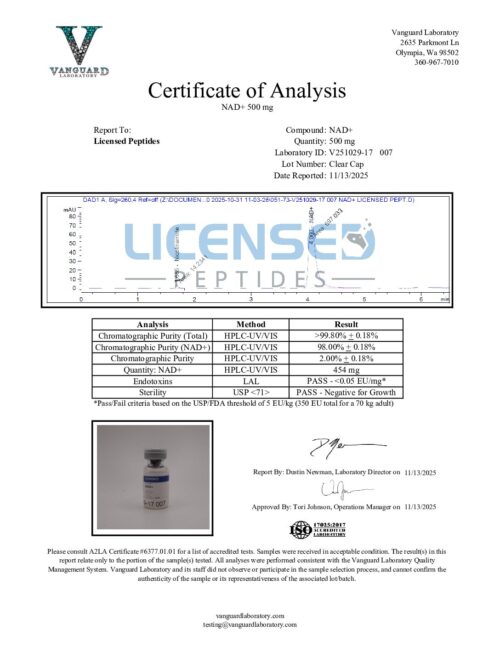
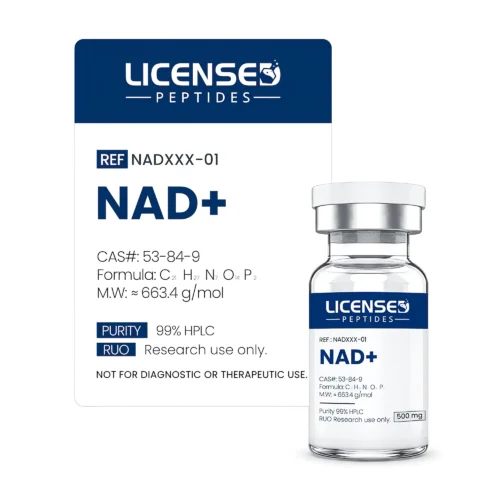 NAD+ is a laboratory research material used to study cellular redox biology, coenzyme function, and metabolic signaling pathways in controlled experimental systems. This product is supplied strictly for research use only. It is not approved or intended for human or animal use, and any discussion of biological activity refers only to preclinical or in vitro research. For experimental consistency and analytical accuracy, research-grade NAD+ materials are typically characterized by high purity, manufactured under controlled conditions, and verified as LPS-free peptide, endotoxin-free peptide, and research peptides endotoxin tested, ensuring minimal interference with sensitive cellular and biochemical assays. These quality parameters are essential for maintaining reproducibility and validity in advanced laboratory research. This material is intended strictly for research purposes only. Not for human or animal use.