Research Peptides
This is the whole Licensed Peptides catalogue in one grid: single-compound vials, pre-mixed blends, oral capsules and pre-reconstituted 30ml atomized solutions, from BPC-157 and TB-500 to LP2-T, LP3-R and the Wolverine and Klow blends. Use the category links in the menu to narrow by research area, or sort this page by name or price.
Every peptide listed is manufactured in a GMP-certified facility in the United States, independently verified at 99%+ purity by high-performance liquid chromatography, identity-confirmed by mass spectrometry, and screened for endotoxins and heavy metals before release. The Certificate of Analysis for each batch is published in our testing library, so you can check the lot before you order. Orders ship cold from the U.S. Products sold here are supplied to researchers for laboratory and analytical use only, and are not intended for human or animal use.
-
2 for 1
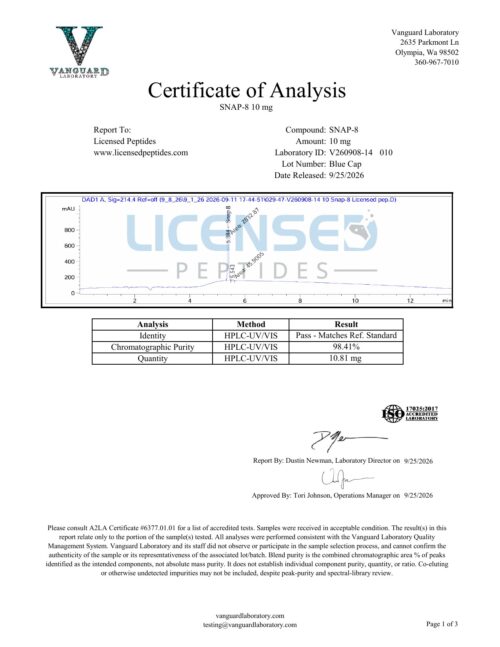
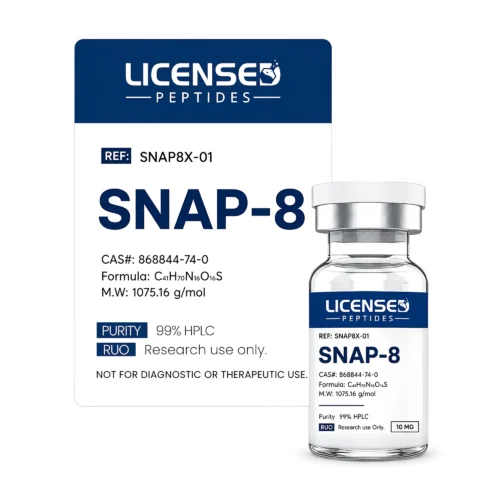 SNAP-8 is generally identified in cosmetic ingredient terminology as acetyl octapeptide-3.The name reflects its structure: “acetyl” refers to the attached acetyl group, while “octapeptide” indicates that the peptide contains eight amino acids. It is sometimes described in consumer products as an “acetyl hexapeptide serum,” but this terminology can lead to confusion with Argireline, which is commonly associated with acetyl hexapeptide-8 and, in some older ingredient references, acetyl hexapeptide-3. Although SNAP-8 and Argireline are both cosmetic peptides often discussed for their wrinkle-related applications, they are different ingredients and should not be considered interchangeable.
 -
2 for 1
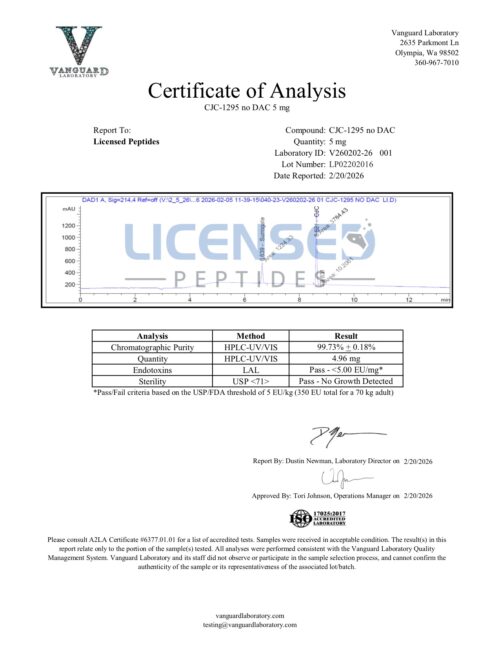
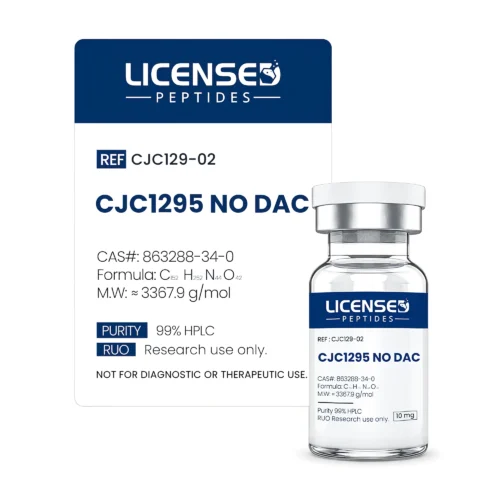 CJC-1295 NO DAC is a research peptide used in laboratory studies of GHRH receptor activity, peptide stability, and controlled signaling pathways in experimental models. This product is supplied strictly for research use only. It is not approved or intended for human or animal use, and any discussion of biological activity refers only to preclinical or in vitro research. In contrast to DAC (Drug Affinity Complex) versions, which remain active for extended periods because of the affinity complex that binds to serum proteins, the NO-DAC form is intentionally brief in duration. This characteristic allows for more precise timing, closer alignment with natural GH pulsatility, and a cleaner signaling window that is often advantageous in controlled studies. Research protocols examining circadian influences, acute cellular responses, metabolic pathways, and tissue-specific GH interactions frequently utilize this short-acting design for data accuracy. For laboratory applications, CJC-1295 NO DAC is typically supplied as a high purity, LPS-free peptide, manufactured under controlled conditions to support experimental consistency. Each batch is produced as an endotoxin-free peptide, with research peptides endotoxin tested to help ensure suitability for sensitive in-vitro and ex-vivo research environments. These quality attributes are particularly important in studies where immune activation, inflammatory signaling, or cellular stress responses may influence experimental outcomes. This compound is intended strictly for research purposes only. Not for human or animal use.
 -
2 for 1
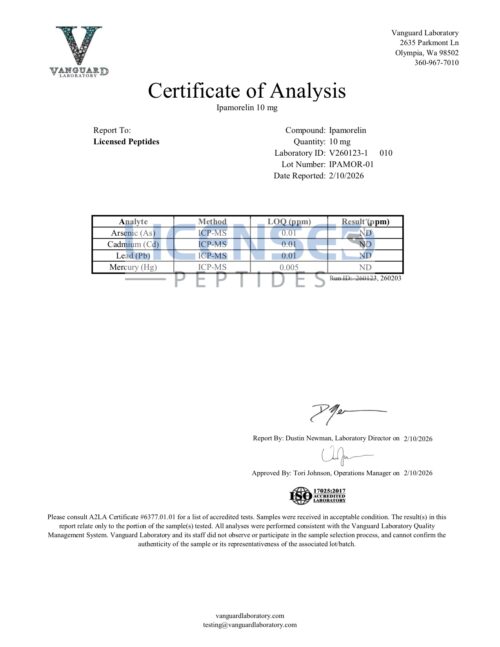
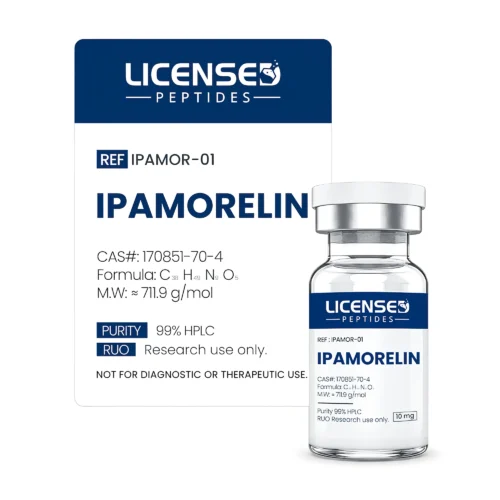 Ipamorelin is a laboratory research peptide used to study receptor signaling, peptide kinetics, and downstream pathway behavior in controlled experimental systems. This product is supplied strictly for research use only. It is not approved or intended for human or animal use, and any discussion of biological activity refers only to preclinical or in vitro research. For research integrity and reproducibility, Ipamorelin is commonly supplied as a high-purity, LPS-free peptide, manufactured under conditions designed to minimize biological contaminants. Use of an endotoxin-free peptide is critical in laboratory environments, as endotoxin interference can significantly alter signaling data and immune-related assay outcomes. Accordingly, research peptides endotoxin tested for Ipamorelin are preferred in advanced experimental applications requiring consistent and interpretable results. For Research Use Only. Not for Human or Animal Use. This compound is intended solely for laboratory research and analytical investigation.
 -
2 for 1
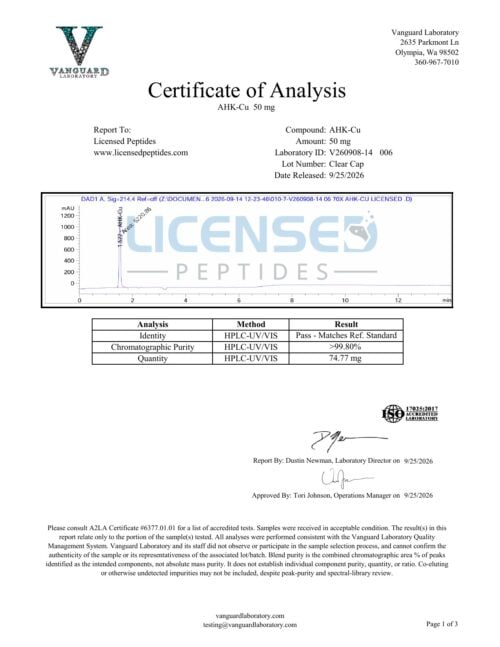
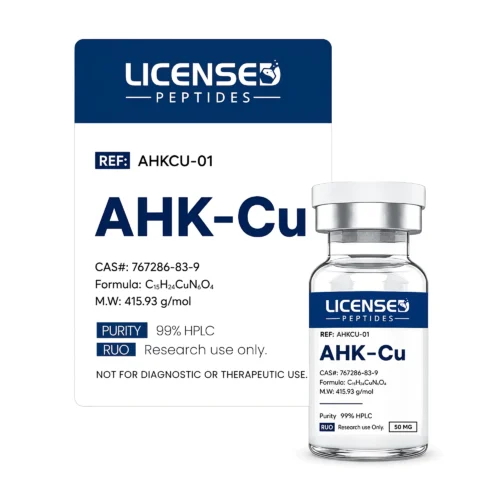 AHK-Cu is a synthetic copper-associated tripeptide consisting of three amino acids—alanine, histidine, and lysine—that form a complex with a copper ion. It is commonly identified in research literature as AHK-Cu or Copper Tripeptide-3. In contrast to GHK-Cu (Copper Tripeptide-1), a naturally occurring copper-binding peptide that has been detected in biological fluids such as plasma, saliva, and urine, AHK-Cu is a synthetically produced peptide developed for experimental research. Its alanine–histidine–lysine sequence has been investigated for its interactions with cellular signaling pathways, particularly those associated with dermal papilla cell activity, hair follicle biology, and cellular survival mechanisms. Preclinical research has explored its potential effects on follicular tissue and related signaling processes, although these findings remain primarily based on laboratory and ex-vivo studies.
 -
2 for 1
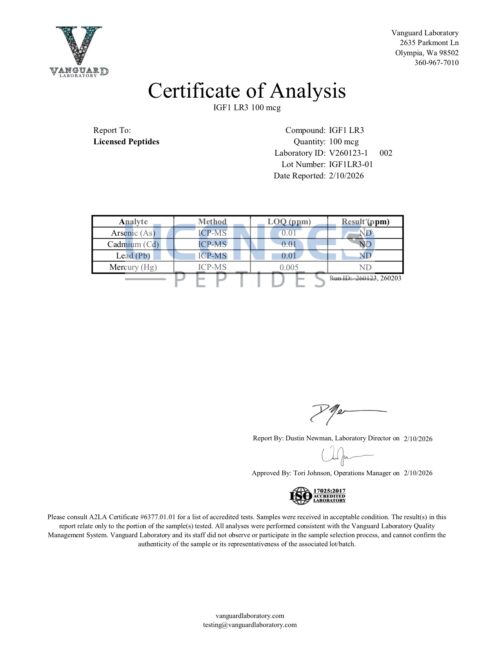
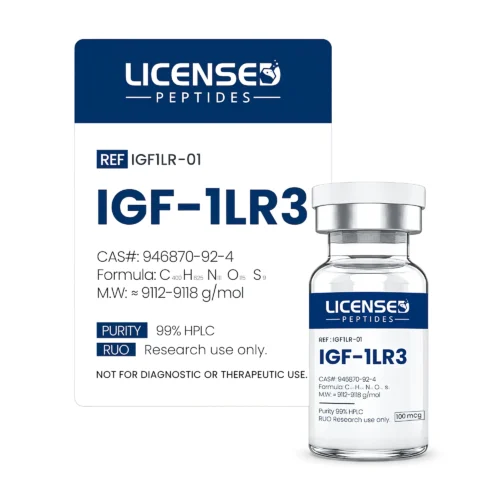 IGF-1 LR3 is a synthetic, laboratory-engineered analog of IGF-1 used in controlled research to study receptor interaction, peptide stability, and downstream signaling behavior in experimental systems. This product is supplied strictly for research use only. It is not approved or intended for human or animal use, and any discussion of biological activity refers only to preclinical or in vitro research. This increased bio-availability allows research teams to explore extended cellular signaling events without the rapid degradation typically observed with standard IGF-1. Its stability profile and functional responsiveness have made IGF-1 LR3 a widely utilized peptide in scientific studies focusing on metabolic behavior, protein synthesis pathways, and tissue-repair models. Formulated at 100mcg, IGF-1 LR3 provides laboratories with a flexible and practical quantity for diverse experimental setups, including in-vitro cellular assays, mechanistic pathway investigations, and stress-response modeling. Because the Long R3 form interacts more freely with IGF-1 receptors, with minimal interference from IGFBPs, it is valued in studies examining growth-factor signaling cascades, metabolic responses, and regenerative mechanisms. This product is manufactured to high purity standards and is produced as an LPS-free peptide and endotoxin-free peptide, ensuring minimal background interference in sensitive experimental conditions. All research peptides are endotoxin tested to support reproducibility, consistency, and reliability across laboratory studies. For Research Use Only. Not for Human or Animal Use. This product is intended solely for laboratory research and investigational purposes and is not approved for diagnostic, therapeutic, or consumptive applications.
 -
2 for 1
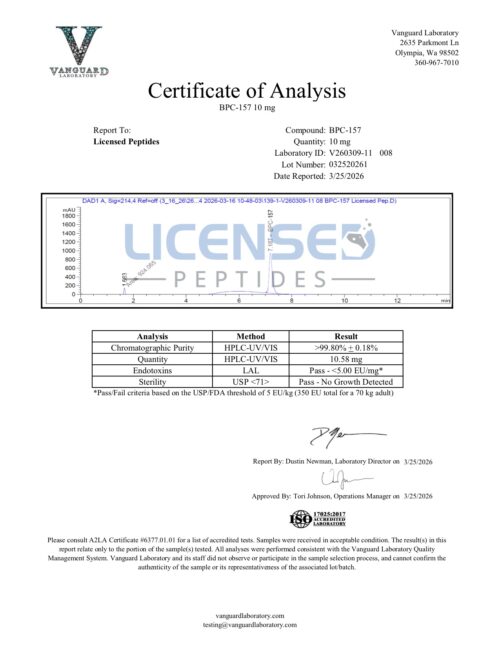
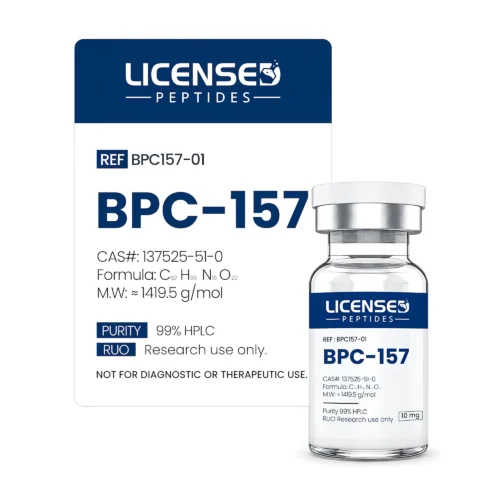 BPC-157, short for Body Protection Compound 157, is a synthetic pentadecapeptide composed of 15 amino acids. It was originally identified as a fragment derived from a larger protein found in human gastric juice, which sparked early scientific interest due to its unusual stability and biological activity under experimental conditions. Over time, BPC-157 has become the subject of extensive preclinical investigation, particularly in laboratory and animal-based experimental models focused on tissue integrity, structural recovery mechanisms, and gastrointestinal physiology. It is important to emphasize that BPC-157 is not approved for human or animal use. All existing interest and discussion surrounding this peptide exist strictly within experimental and research frameworks. The current understanding of BPC-157 is derived almost entirely from in-vitro studies and controlled laboratory research models, and any findings should not be extrapolated to clinical, therapeutic, or veterinary applications. Within research settings, BPC-157 is typically handled as a high-purity research peptide, manufactured under controlled conditions to support reproducibility and experimental consistency. Reputable research-grade preparations are commonly described as LPS-free peptides, endotoxin-free peptides, and research peptides endotoxin tested, ensuring suitability for sensitive laboratory assays and minimizing confounding variables in experimental data. All references to BPC-157 relate solely to research use only, and no information should be interpreted as guidance for human consumption, animal administration, or medical use. Experimental observations are intended exclusively for scientific exploration and hypothesis development within regulated research environments.
 -
2 for 1
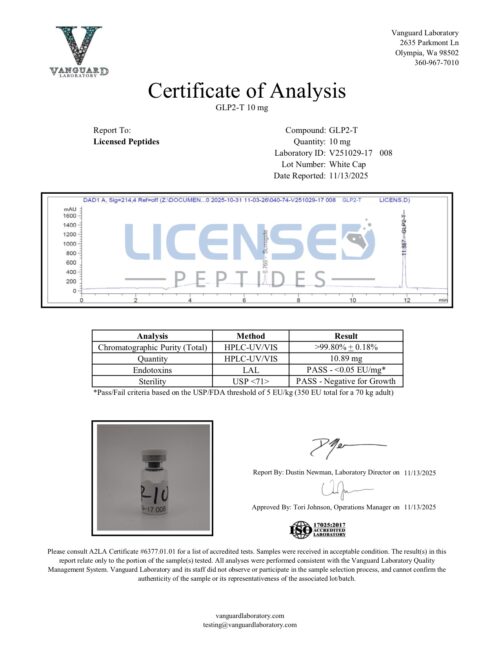
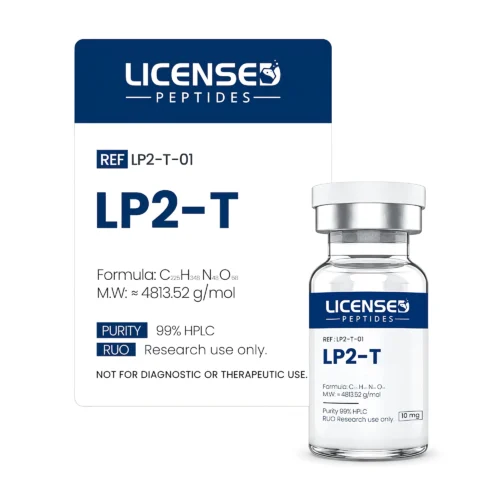
LP2-T Overview
LP2-T is a high-purity research peptide supplied by Licensed Peptides™ as a lyophilized powder, strictly for laboratory use. It is stocked in our Metabolic Peptides range and is one of the most frequently requested compounds in the catalog, where it is used in controlled in-vitro and preclinical study designs examining receptor binding, peptide signaling and downstream assay response. Any reference to biological activity on this page relates solely to analytical and experimental work. Every batch of LP2-T is produced in a USA GMP facility using industry-standard synthesis and purification protocols, then verified by an independent laboratory before release. Each lot is analysed by HPLC to 99%+ purity, confirmed by mass spectrometry and screened for endotoxin, and the certificate of analysis for the exact lot you receive is published on this page. LP2-T is offered in 5mg through 60mg vials and in single, 3, 5 and 10 vial packs, so a study can be scaled without changing lot.Licensed Peptides’ LP2-T Product Specifications
Product Name LP2-T Peptide Class Metabolic Research Peptide Quantity Choose from 1, 3, 5, & 10 Vial Options Strength Choose from 5mg – 60mg Per Vial Options Purity 99%+ HPLC Verified Form Lyophilized Powder Manufacturing USA GMP Facility Testing Third-Party Verified Documentation Certificate of Analysis Available Storage -20°C Long-Term Application Research Use Only Storage and Handling
Lyophilized LP2-T is shipped freeze-dried for stability and is held at -20°C for long-term storage, protected from light and moisture. Once reconstituted with bacteriostatic water, LP2-T solutions are kept refrigerated at 2–8°C and used within the window supported by your protocol. Handling the vial as a lyophilized powder until the day of use is the simplest way to keep results reproducible across a study.Shipping
Vials are held in industrial-grade freezers prior to dispatch. Orders placed before 4PM PST ship the same business day, cold-packed so the peptide arrives intact and ready for reconstitution.Important Notice
We supply LP2-T for sale strictly for research purposes. It is not approved for human or veterinary use, and nothing on this page is guidance for consumption, administration or medical use. Any discussion of activity in relation to LP2-T refers solely to analytical study, whether preclinical or in vitro. -
2 for 1

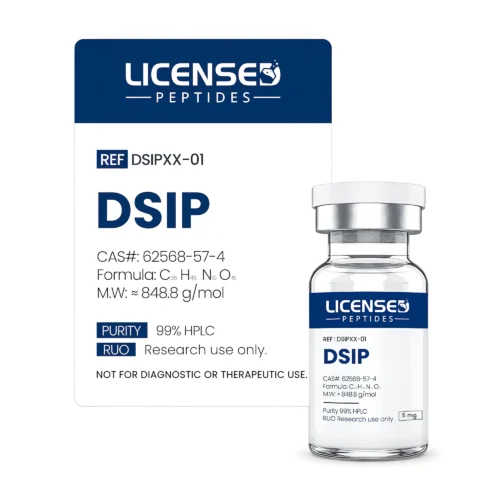 DSIP is a research peptide used in laboratory studies of peptide signaling, receptor interactions, and neurochemical pathways in controlled experimental systems. This product is supplied strictly for research use only. DSIP 5mg is not approved or intended for human or animal use, and any discussion of biological activity refers only to preclinical or in vitro research.
 -
2 for 1
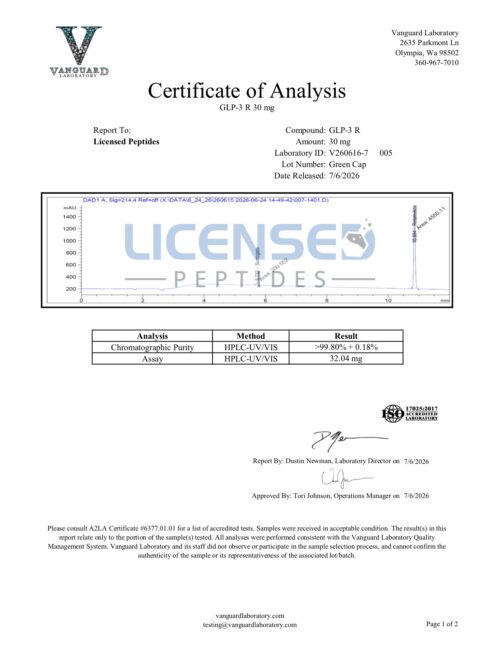
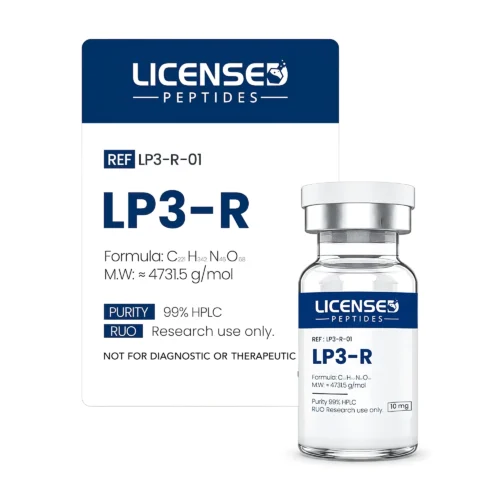
Licensed Peptides’ LP3-R Product Specifications
Product Name LP3-R Peptide Class Triple Receptor Agonist Quantity Choose from 1, 3, 5, & 10 Vial Options Strength Choose from 5mg – 60mg Per Vial Options Purity 99%+ HPLC Verified Form Lyophilized Powder Manufacturing USA GMP Facility Testing Third-Party Verified Documentation Certificate of Analysis Available Storage -20°C Long-Term Application Research Use Only Important Notice
We supply LP3-R for sale strictly for research purposes. It’s not approved for human or veterinary use. Any discussion of biological activity in relation to LP3-R refers solely to analytical study, whether regarding preclinical or in vitro research. -
2 for 1
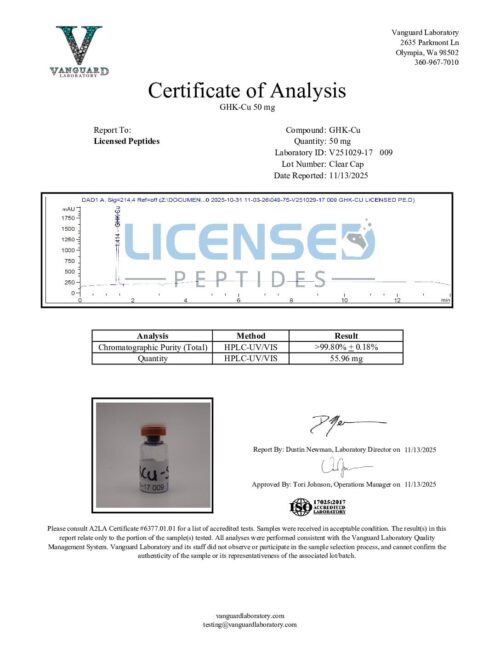
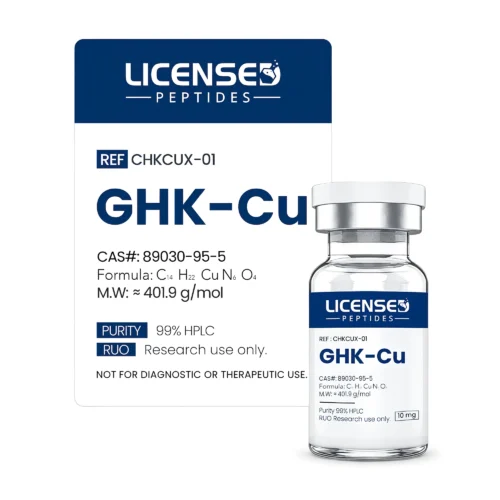 Get high-quality, high purity GHK-Cu peptides for research involving copper binding, cell signaling, fibroblast activity, and extracellular-matrix processes. Our lyophilized GHK-Cu comes in both 50 mg and 100 mg strengths to suit a wide range of studies. Disclaimer: Licensed Peptides supplies GHK-Cu for laboratory research, analytical testing, and controlled scientific applications. It isn’t intended for human or animal consumption, administration, therapeutic use, clinical use, veterinary use, diagnosis, treatment, cure, or prevention of any disease or medical condition.
 -
2 for 1
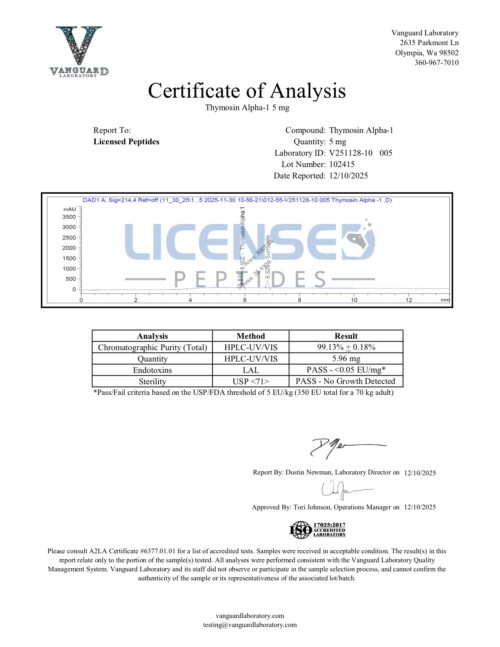
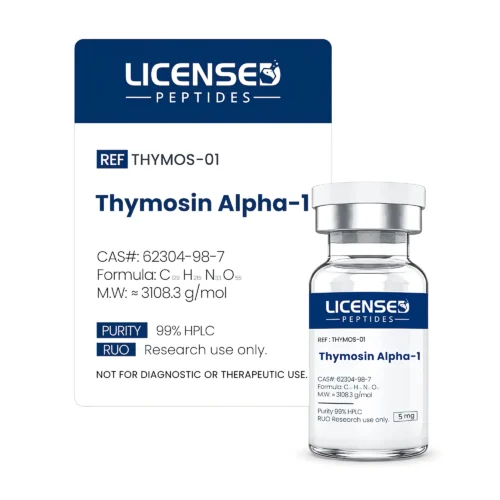 Thymosin Alpha-1 5mg is a laboratory research peptide modeled after a naturally occurring thymic fraction and used to study immune-related signaling pathways in controlled experimental systems. Originally isolated from thymus tissue, it is widely used in research to examine T-cell maturation, cytokine behavior, antigen-presentation mechanisms, and receptor-level interactions. This product is supplied strictly for research use only. It is not approved or intended for human or animal use, and any discussion of biological activity refers only to preclinical or in vitro research. Over the past several decades, Tα1 has been utilized extensively in in-vitro studies and experimental models designed to explore the molecular dynamics of immune regulation. Research teams often employ this peptide to observe changes in cytokine behavior, examine antigen-presentation mechanisms, characterize receptor-level interactions, and assess how immune pathways adapt under conditions of induced stress. These investigations are conducted strictly in research settings and have contributed valuable insights into immune modulation, intracellular communication, and molecular defense organization. Thymosin Alpha-1 5mg supplied for research purposes is manufactured as a high-purity peptide, suitable for laboratory experimentation requiring stringent quality parameters. The material is produced as an LPS-free peptide and an endotoxin-free peptide, helping to reduce confounding variables in immune and cellular signaling studies. All research peptides are endotoxin tested to ensure consistency, reliability, and reproducibility across experimental applications. It is essential to emphasize that Thymosin Alpha-1 is not approved, marketed, or intended for human or animal use. Its role is strictly limited to scientific research and controlled laboratory experimentation. No claims are made regarding therapeutic outcomes, physiological enhancement, or direct biological benefit outside of research observations. Any reference to outcomes pertains solely to experimental models, laboratory systems, or research subjects under controlled study conditions.
 -
2 for 1
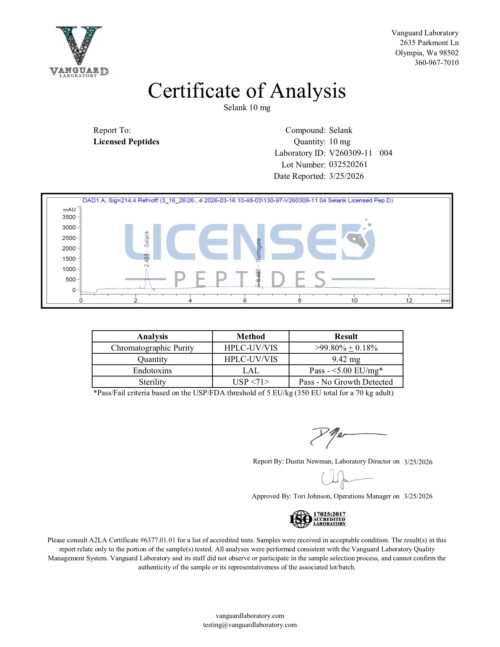
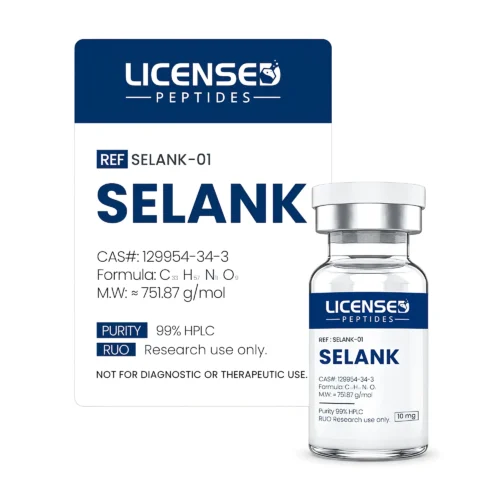 Selank 10mg is a laboratory research peptide used to study peptide behavior, receptor interactions, and cellular signaling pathways in controlled experimental systems. This product is supplied strictly for research use only. It is not approved or intended for human or animal use, and any discussion of biological activity refers only to preclinical or in vitro research.
 -
2 for 1
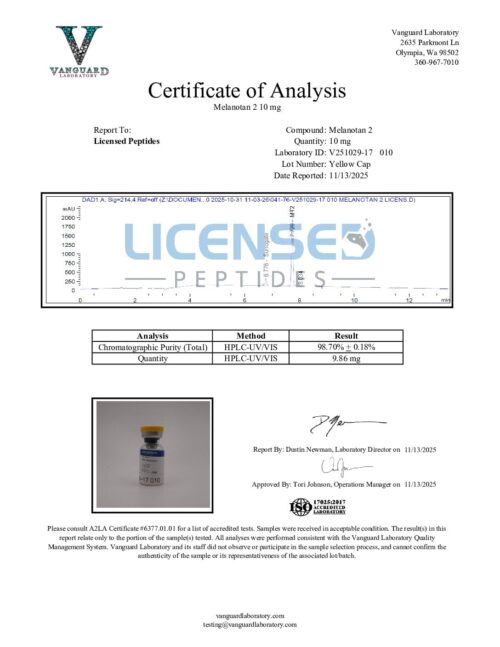
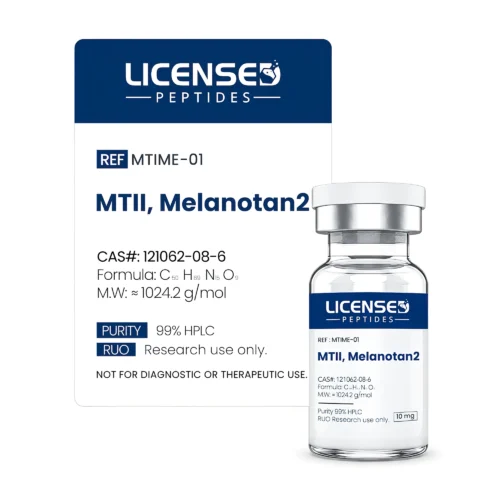 MTII (Melanotan 2) is a synthetic peptide used in laboratory research to study melanocortin receptor signaling, peptide-receptor interactions, and pigment-related pathway behavior in controlled experimental systems. This product is supplied strictly for research use only. It is not approved or intended for human or animal use, and any discussion of biological activity refers only to preclinical or in vitro research. For research integrity and reproducibility, MTII supplied for laboratory use is commonly produced as a high-purity peptide, manufactured to meet stringent analytical standards. Research-grade MTII is typically prepared as an LPS-free peptide and verified as an endotoxin-free peptide, helping minimize confounding variables in sensitive experimental assays. Additionally, research peptides are endotoxin tested to ensure consistency and reliability across in vitro and non-clinical investigative studies. This material is designated for research purposes only and is not for human or animal use. Any reference to MTII remains strictly within the context of scientific investigation and experimental analysis. MTII Melanotan 2 10mg from Licensed Peptides.
 -
2 for 1
What Is 5-Amino-1MQ?
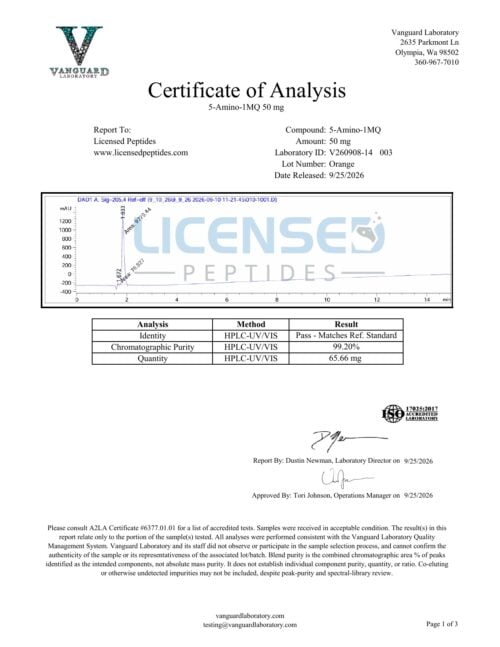
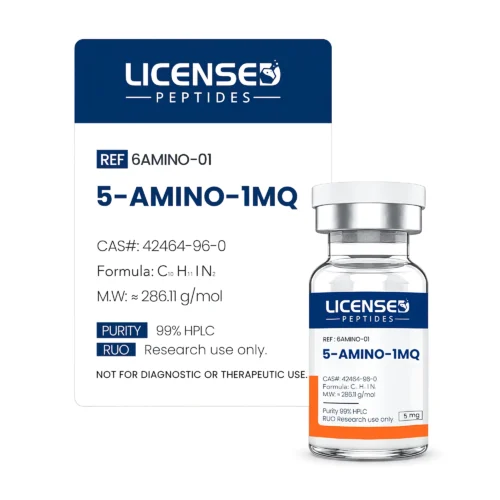
5-Amino-1MQ is a common abbreviation for 5-amino-1-methylquinolinium. It’s a small-molecule research compound investigated in studies involving Nicotinamide N-Methyltransferase (NNMT). Unlike peptides, 5-Amino-1MQ belongs to the methylquinolinium class of compounds. It’s studied as a selective NNMT inhibitor in laboratory settings. NNMT is an enzyme that catalyzes the transfer of a methyl group from S-adenosylmethionine (SAM) to nicotinamide (NAM), producing 1-methylnicotinamide (MNA) and S-adenosylhomocysteine (SAH). NNMT participates in nicotinamide metabolism through this activity. It may influence cellular methylation balance, metabolic signaling, and NAD⁺-related biochemical pathways.Why Researchers Study 5-Amino-1MQ
Scientific interest in 5-Amino-1MQ comes from the research into NNMT biology and its contribution to cellular metabolism. Published studies have investigated NNMT and NNMT inhibitors across areas of laboratory and preclinical research, including- Nicotinamide metabolism
- NNMT pathway regulation
- Cellular energy metabolism
- NAD+ salvage-pathway biology
- Adipocyte biology
- Molecular signaling pathways
- Methylation-related biochemical processes
- Experimental metabolic research models
Key Published Research
A widely cited study by Kraus and colleagues used genetic knockdown in mice. They investigated the biological role of NNMT. The researchers reported that lowering NNMT expression changed metabolic pathway activity and energy use. This helped to show that NNMT is a key target in metabolic research.¹ Neelakantan and colleagues then expanded research involving small-molecule NNMT inhibitors. Their work found and described several selective NNMT inhibitors, including 5-amino-1-methylquinolinium derivatives. They tested these inhibitors in cell and animal models.² They reported changes in intracellular nicotinamide-related metabolites and examined the biological effects of NNMT inhibition under experimental conditions.² These outcomes have increased scientific interest in NNMT biology. They still support lab studies on its role in cell metabolism. They also support research on biochemical regulation.Research Considerations And Limitations
Current evidence involving 5-Amino-1MQ and NNMT inhibition is predominantly preclinical. Most published findings originate from cell-based studies and animal models. Although NNMT may affect nicotinamide levels and NAD+ pathways, the real impact in the body is still unclear. Research is ongoing. Changes in NNMT activity shouldn’t be interpreted as producing predictable changes in NAD+ levels across all biological systems. Human safety, efficacy, dosing, and clinical utility haven’t been established. Further research is required to characterize the biological mechanisms associated with NNMT inhibition and the broader implications of these findings. Licensed Peptides supplies 5-Amino-1MQ strictly for laboratory research purposes. It isn’t approved for human or animal use.References
- Kraus D, Yang Q, Kong D, et al. Nicotinamide N-methyltransferase knockdown protects against diet-induced obesity. Nature. 2014;508(7495):258-262. doi:10.1038/nature13198.
- Neelakantan H, Vance V, Wetzel MD, et al. Selective and membrane-permeable small molecule inhibitors of nicotinamide N-methyltransferase reverse high fat diet-induced obesity in mice. Biochemical Pharmacology. 2018;147:141-152.
- Aksoy S, Szumlanski CL, Weinshilboum RM. Human nicotinamide N-methyltransferase. Pharmacogenetics. 1994;4(2):81-86.
- Alston TA, Abeles RH. Substrate specificity and catalytic mechanism of nicotinamide N-methyltransferase. Archives of Biochemistry and Biophysics. 1988;260(2):601-608.
- Gao Y, Martin NI, van Haren MJ. Nicotinamide N-Methyltransferase: At the crossroads of metabolism and epigenetic regulation. Trends in Biochemical Sciences. 2024.
Important Notice
This product is supplied strictly for research use only. It is not approved or intended for human or animal use, consumption, therapeutic use, clinical application, or diagnostic purposes. Any discussion of biological activity refers solely to laboratory, in vitro, or preclinical research. -
2 for 1
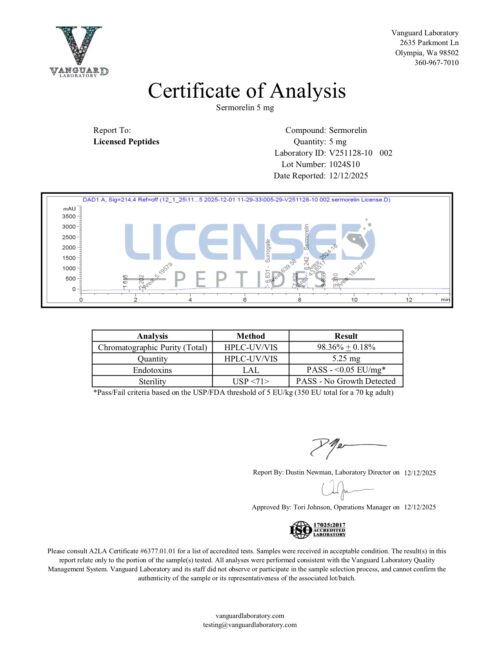
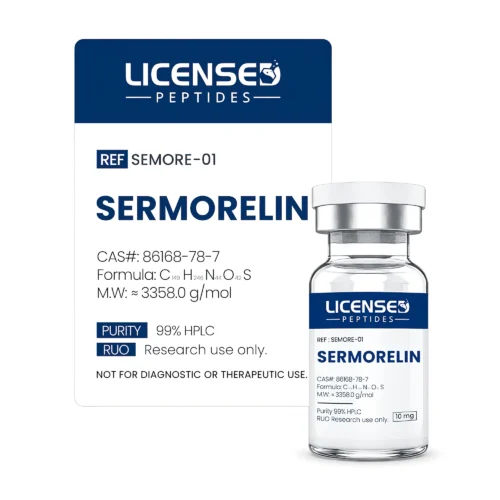 Sermorelin is a laboratory research peptide used to study GHRH receptor signaling, pituitary response behavior, and downstream endocrine pathway activity in controlled experimental systems. This product is supplied strictly for research use only. It is not approved or intended for human or animal use, and any discussion of biological activity refers only to preclinical or in vitro research. For research consistency and data integrity, sermorelin used in laboratory settings is commonly produced as a high-purity peptide and manufactured under stringent quality controls. Research-grade formulations are frequently described as LPS-free peptides and endotoxin-free peptides, helping minimize confounding variables related to immune activation in experimental systems. Additionally, research peptides endotoxin tested are often preferred in controlled studies to support reproducibility and reliability of collected data. Sermorelin is intended strictly for research purposes only. It is not for human or animal use, and any references herein relate exclusively to findings observed in experimental, laboratory, or research subject models.
 -
2 for 1
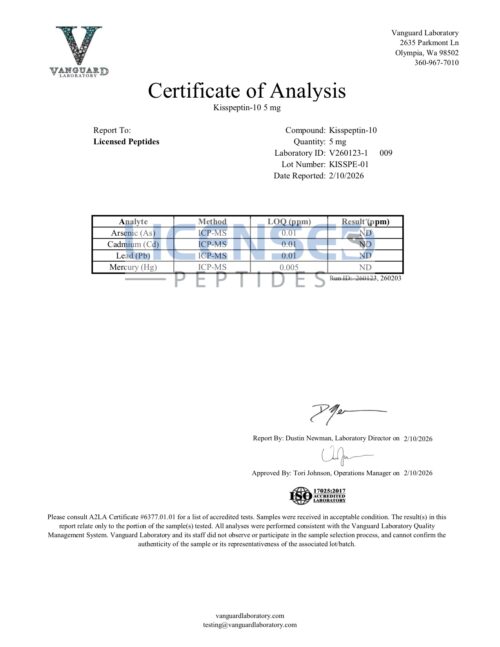
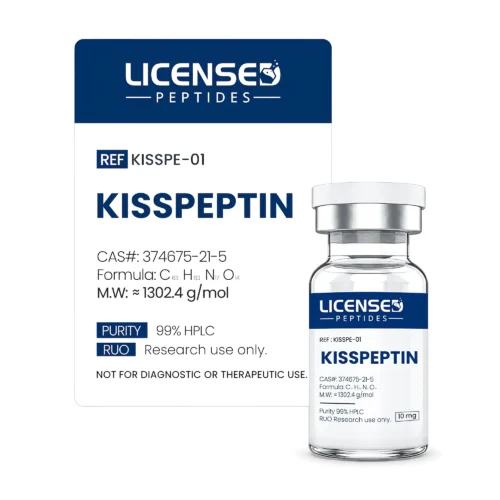 Kisspeptin-10 is a laboratory research peptide used to study receptor signaling, peptide kinetics, and controlled endocrine pathway behavior in experimental systems. This product is supplied strictly for research use only. It is not approved or intended for human or animal use, and any discussion of biological activity refers only to preclinical or in vitro research. From a biochemical standpoint, research-grade Kisspeptin-10 is commonly supplied as a high-purity peptide, manufactured under stringent laboratory standards. To ensure experimental reliability, the peptide is often produced as an LPS-free peptide and endotoxin-free peptide, minimizing the risk of confounding inflammatory responses in sensitive research assays. Many formulations are also classified as research peptides endotoxin tested, supporting consistency and reproducibility across experimental applications. In summary, Kisspeptin-10 remains one of the most extensively studied peptides in reproductive and neuroendocrine research due to its ability to activate GnRH-dependent signaling pathways with precision and speed. Its compact molecular structure, predictable receptor interaction, and alignment with naturally occurring signaling mechanisms have established it as a preferred molecule in laboratory investigations focused on hormone regulation, puberty-related signaling, fertility pathway mapping, and neuroendocrine system research. As scientific interest in Kisspeptin biology continues to expand, Kisspeptin-10 remains a central research peptide for investigators seeking consistent, well-characterized, and biologically relevant insights into the HPG axis and its associated signaling networks. Research Use Only: Kisspeptin-10 is intended strictly for laboratory research purposes. It is not for human or animal use, and it is not intended for diagnostic, therapeutic, or clinical applications.
 -
2 for 1

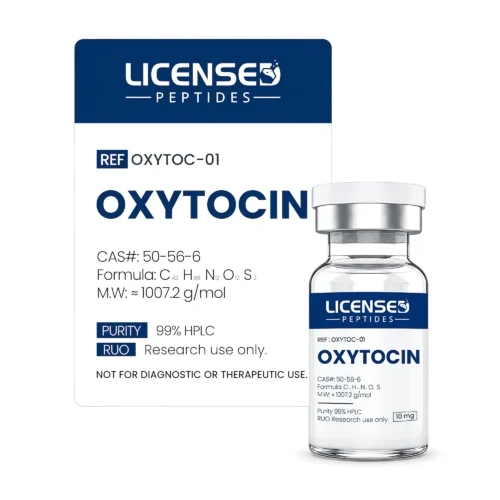 Oxytocin 10mg is a laboratory research peptide used to study receptor signaling, neuropeptide behavior, and controlled pathway responses in experimental systems. This product is supplied strictly for research use only. It is not approved or intended for human or animal use, and any discussion of biological activity refers only to preclinical or in vitro research. Oxytocin 10 mg is supplied as a high-purity, research-grade peptide formulated to meet the stringent requirements of laboratory investigation. This material is produced as an LPS-free peptide, endotoxin-free, and classified among research peptides that are endotoxin tested, ensuring suitability for sensitive experimental applications. The formulation supports precise and reproducible outcomes in cellular assays, molecular analysis, receptor-binding studies, and controlled experimental modeling. This product is strictly intended for research and laboratory use only. It is not for human or animal use, and it is not designed, labeled, or intended to diagnose, treat, cure, or prevent any condition. All references to oxytocin herein relate solely to findings observed in experimental research settings and controlled scientific studies.
 -
2 for 1
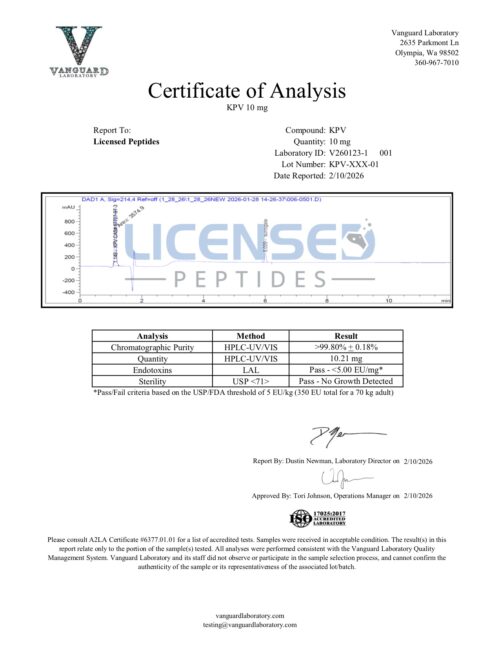
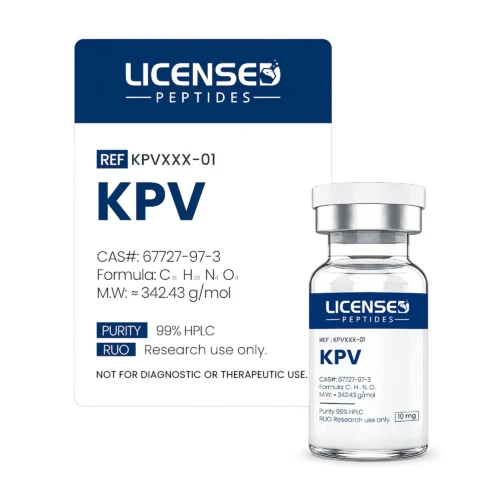 Buy KPV peptide for research use only. Every batch we supply undergoes independent HPLC purity analysis, mass spectrometry identity verification, and screening for endotoxins and heavy metals before release. Certificates of Analysis for every batch are available.
Certified KPV Peptide for Research | 99%+ Purity
At Licensed Peptides™, we supply research-grade KPV made in GMP-certified facilities within the U.S. Our manufacturing team understands the requirements of laboratory and scientific research, and as such, produces each batch under strict quality control. Additionally, we independently verify each batch through accredited laboratories to confirm purity, identity, sterility, and reliability through a 6-point quality verification process. When you buy KPV peptide from Licensed Peptides, you’ll receive a compound that upholds our research-grade standards: • SPPS-Synthesized Peptides: Our KPV peptide is synthesized via solid-phase peptide synthesis (SPPS) to ensure accuracy in its sequence and maximum purity. • Lyophilized KPV Peptide for Stability: Freeze-drying helps preserve its integrity while shipping, storing, and handling in the lab. • 99%+ HPLC-Verified Purity: Third-party labs test every batch of KPV to confirm purity levels of 99%+. • Identity Confirmation Through Mass Spectrometry: We confirm the peptide’s molecular identity and composition. • Heavy-Metal & Endotoxin Screening: We test each batch for bacterial endotoxins, lipopolysaccharides (LPS), and heavy metals. Our KPV is endotoxin-free and LPS-free. • Certificates of Analysis: Every batch of KPV comes with transparent documentation that provides detailed analytical results. • USA GMP Manufacturing: Our peptides are manufactured in GMP-certified facilities in the U.S., upholding the highest standards of quality. • Same-Day Shipping: We ship any order in stock (placed before our daily cutoff) on the same day within the US. • U.S.-Based Expert Support for Researchers: We have a responsive team that understands the needs of researchers. Contact us anytime by phone at +1 (855) 322-2214 or email [email protected] with any questions.What Is KPV Peptide?
KPV is a synthetic peptide that’s made up of three amino acids: Lys-Pro-Val. These three amino acids are the C-terminal fragment (position 11-13) of the alpha-melanocyte-stimulating hormone (α-MSH), which is a naturally occurring melanocortin peptide that’s involved in the regulation of inflammation and immune responses. Researchers use the KPV peptide to study inflammatory signaling, epithelial biology, and communication pathways within the immune system.Licensed Peptides KPV Product Specifications
Peptide Class Synthetic Tripeptide Sequence Lys-Pro-Val (KPV) Quantity Choose from 1, 3, 5 & 10 Vial Options Strength 10mg Per Vial Purity 99%+ HPLC Verified Form Lyophilized Powder Manufacturing USA GMP Facility Testing Third-Party Verified Documentation Certificate of Analysis Available Storage -20°C Long-Term Application Research Use Only Important Notice
Licensed Peptides supplies KPV Peptide exclusively for research. It’s not approved for human or veterinary use. Any discussion concerning the biological activity of KPV refers to preclinical and in vitro studies only. -
2 for 1
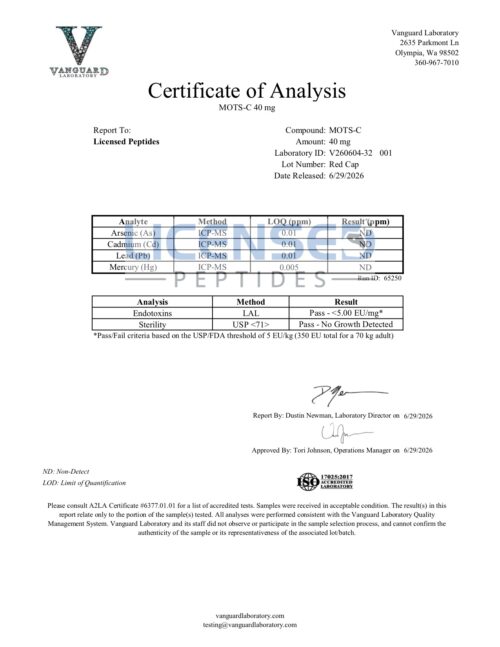
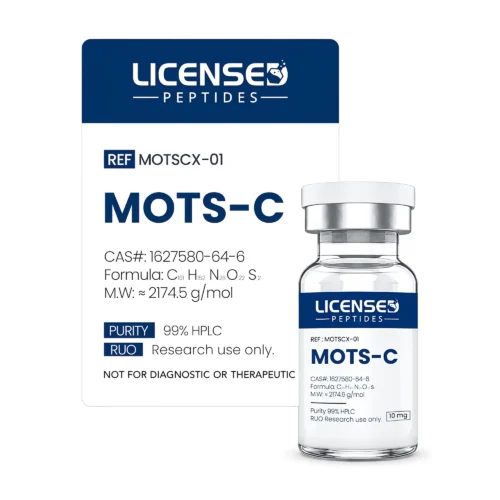
Licensed Peptides: MOTS-C Peptide
-
- ISO-certified cleanroom manufacturing
- 99%+ verified purity through HPLC analysis
- Comprehensive batch testing and analytical verification
- Lyophilized for stability during storage and transport
- Batch-specific Certificates of Analysis available
What Is MOTS-C?
MOTS-C is a mitochondrial-encoded peptide that originates from mitochondrial DNA. Unlike many signaling molecules made from nuclear genes, MOTS-C is encoded by the mitochondrial genome.¹ MOTS-C has attracted interest because of its involvement in mitochondrial signaling and cell-to-cell communication pathways.¹² Researchers are still investigating mitochondrion-derived peptides’ roles in broader biological signaling pathways.²³Why Researchers Study MOTS-C
In a landmark study in Cell Metabolism, Lee and colleagues identified MOTS-C as a mitochondrial-derived peptide. They also reported on its role in cellular metabolic regulation. They found that it supports adaptive stress-response pathways in experimental models.¹ Later research by Kim and others showed that MOTS-C may move into the nucleus. This can happen during certain types of metabolic stress. The authors suggested that this process may support communication between mitochondria and the nucleus. It may also affect gene regulation within cells.² Current research looks at these mechanisms in lab and preclinical models. However, there are still gaps in understanding how they work in humans.³Mitochondrial Biology Research
One of the most distinctive characteristics of MOTS-C is its mitochondrial origin.¹ Mitochondrial-derived peptides may act as signals between mitochondria and the nucleus. They may help cells adapt under experimental conditions.²,³Cellular Signaling Research
Investigations have examined MOTS-C within experimental models that evaluate cellular communication systems. The published studies have explored intracellular signaling pathways and nuclear translocation mechanisms. They also examined gene-regulatory activity and molecular communication networks. These factors may influence cellular adaptation responses.²,³Current Research Limitations
Most published evidence on MOTS-C originates from laboratory and preclinical animal studies.³⁴ Large human clinical trials haven’t been published in peer-reviewed journals. These trials are still needed to confirm MOTS-C’s safety, efficacy, or therapeutic uses.³⁴ As a result, MOTS-C is a research compound exclusively for scientific investigation. Ongoing studies continue to evaluate its biological mechanisms, signaling pathways, and potential relevance within experimental research settings.³⁴References
• Lee C, Zeng J, Drew BG, Sallam T, Martin-Montalvo A, Wan J, et al. The Mitochondrial-Derived Peptide MOTS-c Promotes Metabolic Homeostasis and Reduces Obesity and Insulin Resistance. Cell Metabolism. 2015;21(3):443-454. doi:10.1016/j.cmet.2015.02.009. • Kim KH, Son JM, Benayoun BA, Lee C. The Mitochondrial-Encoded Peptide MOTS-c Translocates to the Nucleus to Regulate Nuclear Gene Expression in Response to Metabolic Stress. Cell Metabolism. 2018;28(3):516-524.e7. doi:10.1016/j.cmet.2018.06.008. • Lu H, Tang S, Xue C, et al. MOTS-c: An Equal Player in Mitochondrial Function and Aging? Frontiers in Endocrinology. 2023;14:1120533. doi:10.3389/fendo.2023.1120533. • ClinicalTrials.gov. A Study of CB4211 (MOTS-c) in Participants With Prediabetes and Overweight or Obesity (Phase 2a). Identifier: NCT07505745.Important Notice
This product is supplied strictly for research use only. It is not approved or intended for human or animal use, consumption, therapeutic use, clinical application, or diagnostic purposes. Any discussion of biological activity refers solely to laboratory, in vitro, or preclinical research. -
-
2 for 1
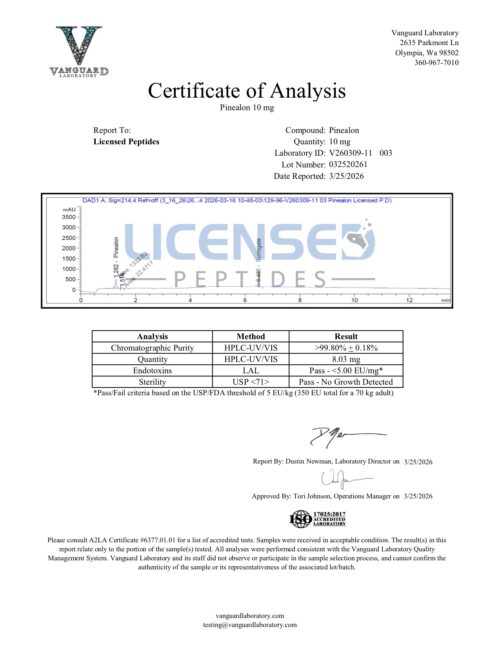
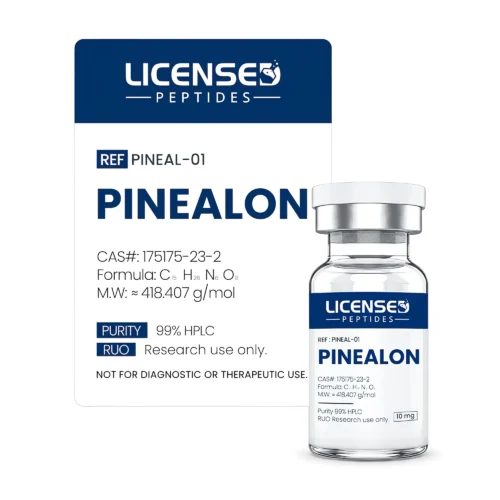 Pinealon is a synthetic tripeptide used in laboratory research to study peptide behavior, cellular signaling, and experimental pathway responses in controlled systems. This product is supplied strictly for research use only. It is not approved or intended for human or animal use, and any discussion of biological activity refers only to preclinical or in vitro research.
 -
2 for 1
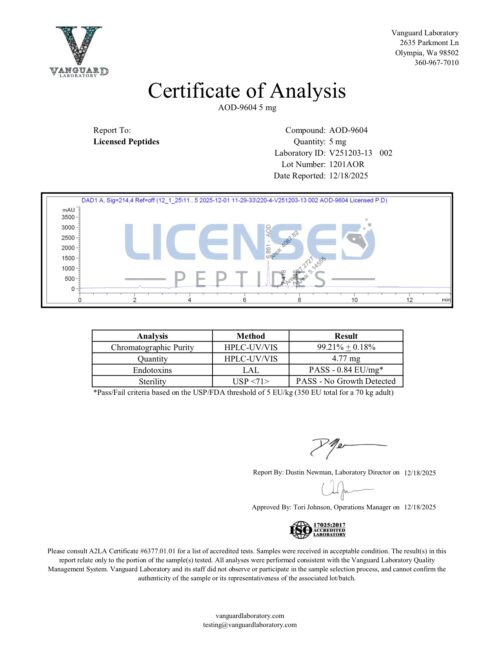
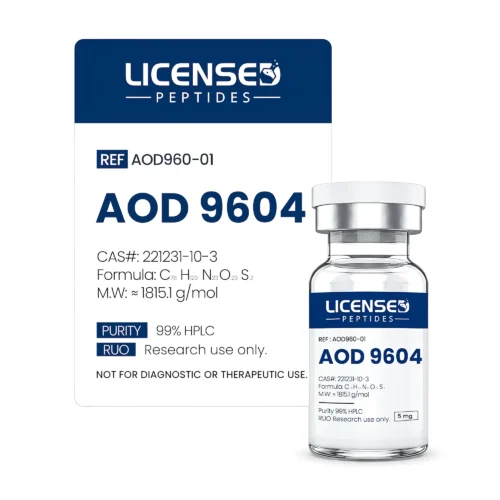 AOD9604 is a synthetic peptide fragment used in laboratory research to study metabolic signaling, adipose tissue biology, and related experimental models. This product is supplied strictly for research use only. It is not approved or intended for human or animal use, and any discussion of biological activity refers only to preclinical or in vitro research. For laboratory and analytical consistency, AOD9604 5 mg is typically supplied as a high-purity peptide, manufactured under controlled conditions. Research batches are produced as LPS-free and endotoxin-free peptides, with research peptide endotoxin testing performed to support reliability in sensitive experimental systems. These quality parameters are especially relevant in studies where inflammatory signaling or immune interference must be carefully controlled. AOD9604 5mg is intended strictly for research purposes only. Not for human or animal use. Any findings referenced are derived from experimental models and controlled research settings and should not be interpreted as therapeutic or clinical outcomes.
 -
2 for 1
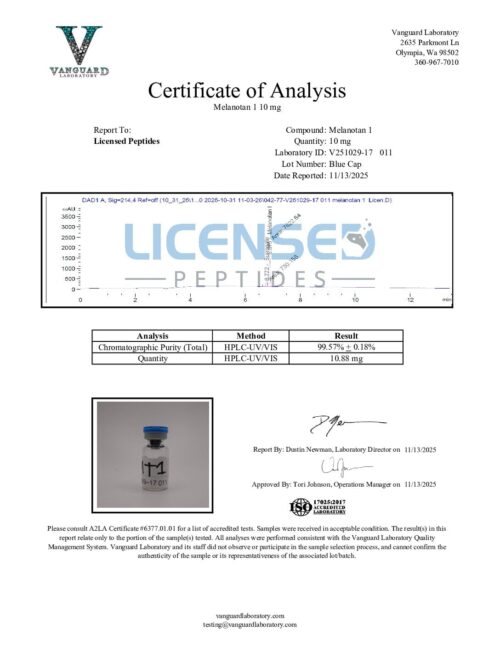
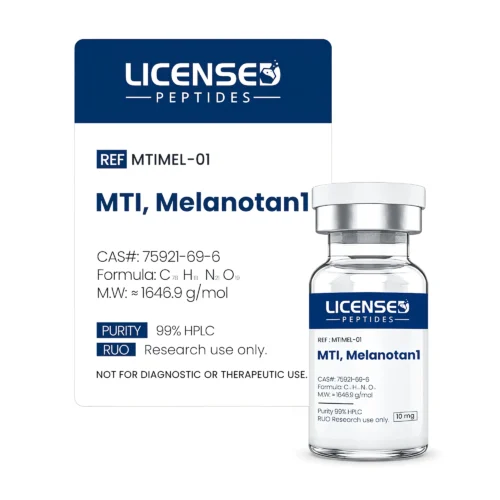 Melanotan-1 (MT-1) is a synthetic peptide utilized in laboratory research to investigate melanocortin receptor activity, pigmentation pathways, and related cellular signaling mechanisms. This material is provided strictly for controlled scientific research purposes. Any references to biological systems are included solely for academic context and do not constitute therapeutic, diagnostic, or clinical claims. This product is not intended for human or animal use. Melanotan-1 supplied for research purposes is typically manufactured as a high-purity peptide, produced under controlled conditions to ensure reliability in experimental use. Research-grade MT-1 is commonly characterized as an LPS-free peptide, endotoxin-free peptide, and research peptide endotoxin tested, supporting its suitability for sensitive biochemical, cellular, and receptor-binding studies where contaminant interference must be minimized.
 -
2 for 1
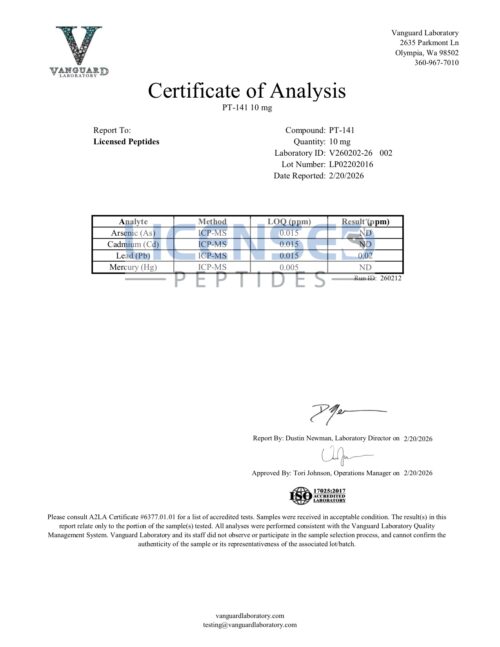
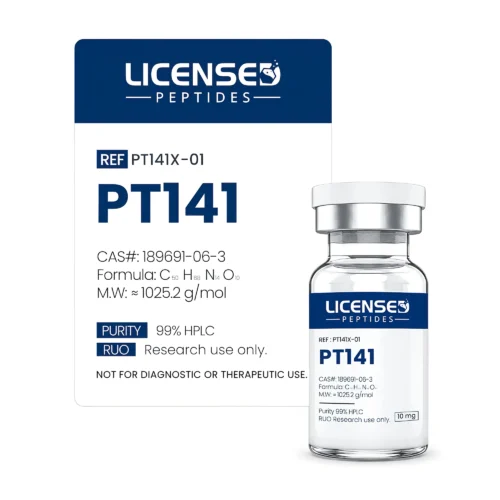 PT-141, scientifically referred to as Bremelanotide, is a synthetic peptide developed through extensive structural modification of the naturally occurring alpha-melanocyte-stimulating hormone (α-MSH). This peptide has gained considerable interest within laboratory environments due to its interaction with melanocortin receptors, most notably MC1R, MC3R, and MC4R. These receptors play essential roles in neuroendocrine regulation, melanocortin pathway mapping, immunomodulatory activity, and behavioral response modulation within controlled studies. This PT-141 10mg lyophilized peptide format is commonly selected in laboratory settings due to its stability, purity potential, and compatibility with precise experimental design. Through the use of advanced manufacturing and purification protocols, research-grade PT-141 enables controlled observations essential for neurochemical, behavioral, and receptor-specific investigations. This formulation is manufactured as a High Purity, LPS-free peptide, supporting research environments that require minimized interference from bacterial contaminants. As an Endotoxin-free peptide, PT-141 is suitable for sensitive in-vitro and analytical studies where endotoxin presence could compromise experimental integrity. Additionally, all batches are research peptides endotoxin tested, ensuring quality control standards aligned with rigorous laboratory research requirements. This product is intended strictly for research and laboratory use only. Not for human or animal use.
 -
2 for 1
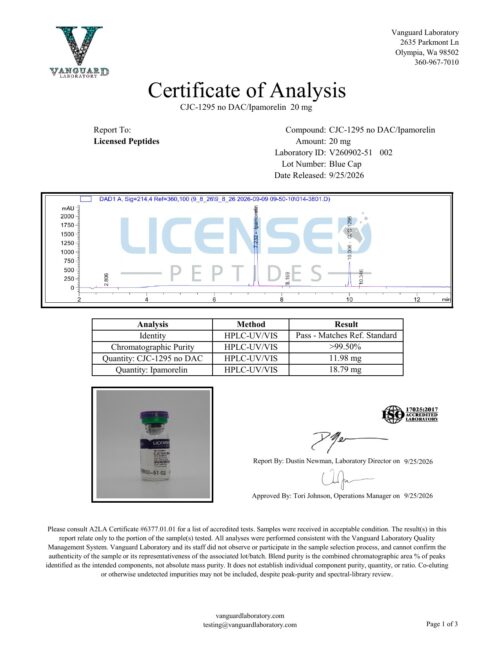
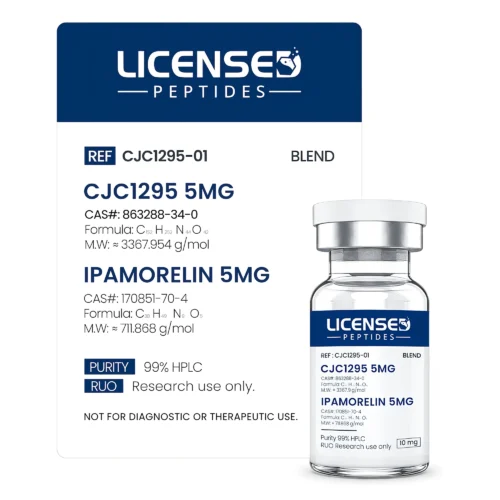 CJC-1295 (No DAC) and Ipamorelin 10mg (Blend) is a laboratory research formulation used to study GHRH-receptor and ghrelin-receptor signaling in controlled experimental systems. This product is supplied strictly for research use only. It is not approved or intended for human or animal use, and any discussion of biological activity refers only to preclinical or in vitro research. Researchers frequently evaluate this blend for its precision, adaptability, and compatibility with time-dependent pulse-based study designs. The formulation is structured to engage two distinct yet complementary signaling pathways, allowing investigators to explore growth hormone release mechanisms without the presence of long-acting or continuously active compounds. In laboratory environments, this peptide blend is typically sourced as a high-purity, LPS-free peptide, manufactured under controlled conditions to minimize experimental variability. To support reproducibility and data integrity, the blend is commonly supplied as an endotoxin-free peptide, with batches undergoing research peptide endotoxin testing prior to release. These quality measures are essential for studies involving sensitive cellular, molecular, or biochemical assays where contamination could compromise outcomes. This product is intended strictly for research and laboratory use only. It is not for human or animal use, and it is not approved for diagnostic, therapeutic, or clinical applications.
 -
2 for 1

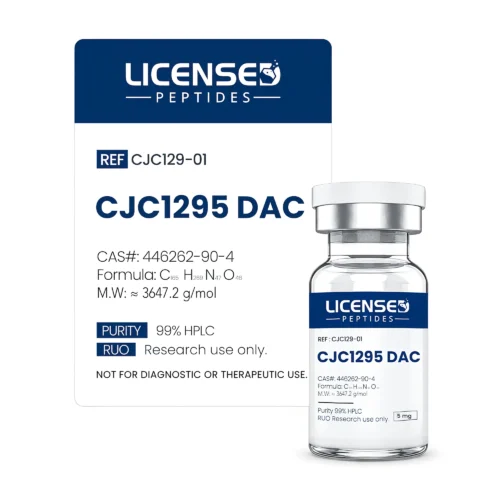 CJC-1295 DAC manufactured in GMP-certified U.S. facilities and independently analyzed for molecular identity, purity, sterility, and consistency through a 6-point verification process. Certificates of analysis (COA) are available for every batch we supply. Important Notice – We supply CJC-1295 DAC peptide exclusively for research. It’s not approved for human or veterinary use. Any discussion concerning the biological activity of CJC-1295 refers to preclinical and in vitro studies only.
 -
2 for 1
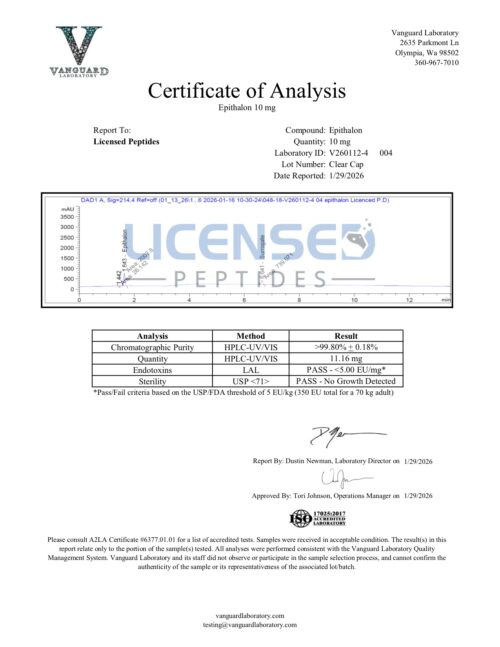
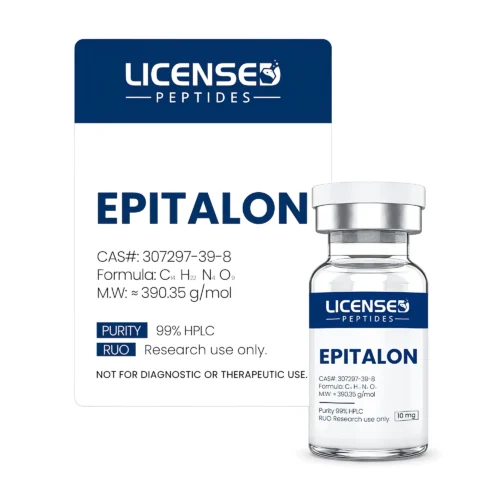 Epithalon (also known as Epitalon) is a synthetic tetrapeptide used in laboratory research to study telomere biology, peptide signaling, and related cellular pathways in controlled experimental systems. This product is supplied strictly for research use only. It is not approved or intended for human or animal use, and any discussion of biological activity refers only to preclinical or in vitro research. Epithalon has attracted significant interest within the fields of aging biology and molecular research due to its observed interactions with telomerase activity and telomere dynamics in controlled experimental models. Telomeres are repetitive nucleotide sequences located at the ends of chromosomes that function as protective structures, maintaining chromosomal stability during successive cellular divisions. Progressive telomere shortening has been consistently associated with cellular senescence and replicative limits in a wide range of in vitro and experimental studies. Experimental investigations involving Epithalon have primarily focused on its molecular signaling properties, gene expression modulation, and chromosomal endpoint behavior under laboratory conditions. These findings are derived from controlled research environments and are intended solely to advance scientific understanding of cellular aging mechanisms and peptide–DNA interactions. Epithalon supplied for research applications is typically manufactured to high purity standards and is characterized as an LPS-free peptide, endotoxin-free peptide, and research peptide endotoxin tested to ensure suitability for sensitive laboratory assays, cellular studies, and biochemical analysis. These quality attributes are critical for minimizing experimental interference and maintaining data integrity in research settings. Importantly, Epithalon is not approved for medical, veterinary, or dietary use. All discussion surrounding this compound pertains strictly to laboratory, cellular, or experimental research settings. No claims are made regarding therapeutic outcomes, enhancement of human health, or clinical efficacy.
 -
2 for 1
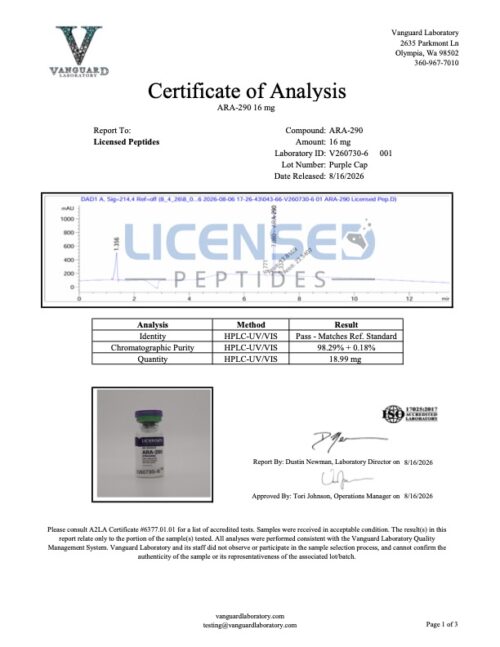
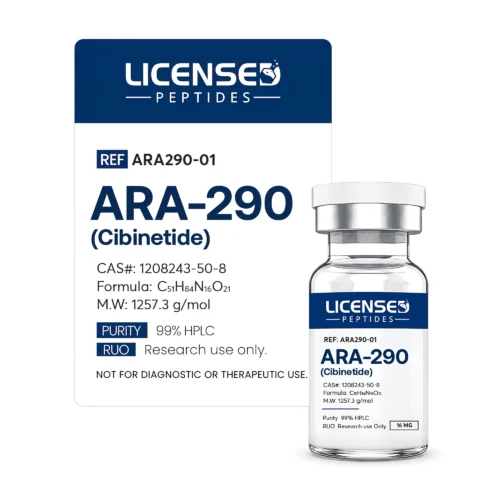 ARA-290 (cibinetide) is an 11-amino-acid synthetic peptide derived from the erythropoietin (EPO) sequence. It is used in laboratory research as a selective ligand for the innate repair receptor (IRR), a heteromeric receptor complex composed of the erythropoietin receptor and the β-common receptor. It is supplied strictly for laboratory research use only and is not approved or intended for human or animal use, ingestion, dosing, or therapeutic application. Published research context In the peer-reviewed literature the IRR is described as being expressed at low levels under baseline conditions and upregulated in experimental models of tissue stress, inflammation, or ischemia. Published in-vitro and animal-model studies have characterised IRR activation in relation to: • Inflammatory signalling cascades • Cytokine expression profiles • Apoptotic and oxidative-stress markers • Tissue-remodelling and regeneration models • Neuronal-signalling models Published work also reports that cibinetide does not substantially activate the homodimeric erythropoietin receptor associated with erythropoiesis, which is why it is frequently used as a comparator to EPO in receptor-selectivity experiments. These descriptions summarise published experimental observations only and are provided for scientific context. They must not be interpreted as claims of therapeutic, diagnostic, or clinical benefit. This product is intended strictly for research and laboratory use only. Not for human or animal use. No statement on this page describes or implies any physiological, cosmetic, diagnostic, or therapeutic effect in humans or animals.
 -
2 for 1
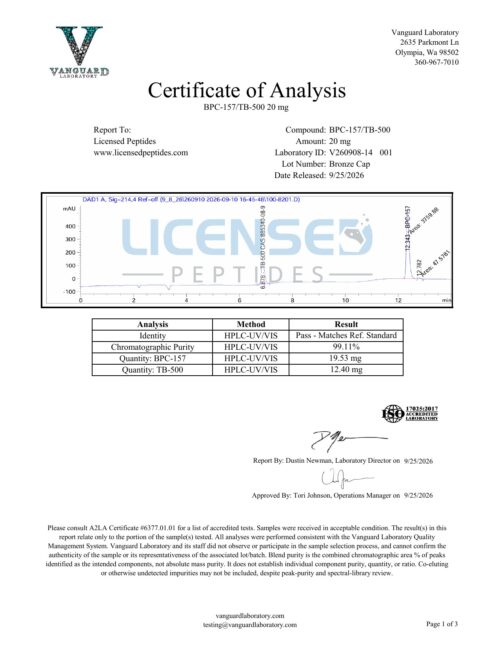
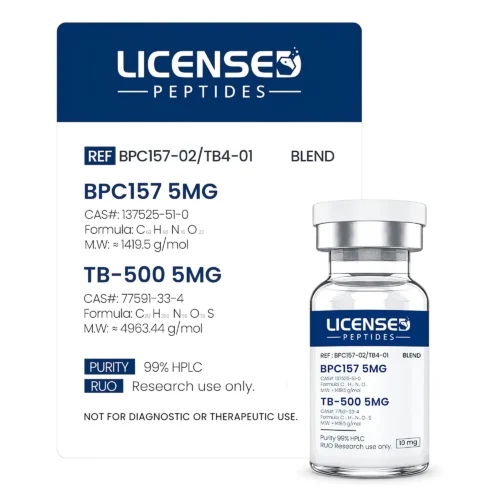
Research-Grade BPC-157 TB-500 Blend | Wolverine Stack Peptide
Our BPC-157 TB-500 Blend (Wolverine Stack) is a high-purity research peptide, made up of: At Licensed Peptides, we supply TB-500 BPC-157 exclusively for laboratory and scientific research. The research-grade standards behind every batch include:- SPPS Synthesized Peptides: Our BPC-157 TB-500 blend is synthesized via solid-phase peptide synthesis (SPPS) to ensure accuracy in its sequence and maximum purity.
- 99%+ HPLC-Verified Purity: Third-party labs test every batch of Wolverine Stack Peptide to confirm purity levels.
- Identity Confirmation Through Mass Spectrometry: We confirm molecular identity and peptide composition through analytical testing.
- Endotoxin Screening: We test our BPC-157 TB-500 blend for bacterial endotoxins.
- Certificates of Analysis: All batches of Wolverine Stack come with transparent documentation that provides detailed analytical results.
- Lyophilized BPC-157 for Stability: Freeze-drying helps preserve peptide integrity while shipping, storing, and handling in the lab.
- USA GMP Manufacturing: Our manufacturing partners follow strict quality standards.
- Same-Day Shipping: We ship any order in stock (placed before our daily cutoff) on the same day within the US.
Why Is This Blend Called Wolverine Stack?
Research circles gave the combination of BPC-157 and TB-500 the nickname Wolverine Stack because of its function in tissue biology and cellular signaling. This name is a nod to the comic book character, Wolverine. This blend is also listed under other names, such as Wolverine Stack Peptide, BPC-157 TB-500, or TB-500 BPC-157 blend.BPC-157 TB-500 Blend Product Specifications
Product Name BPC-157 TB-500 Blend Peptide Components BPC-157 + TB-500 (Thymosin Beta-4 Fragment) Purity 99%+ HPLC Verified Form Lyophilized Powder Manufacturing GMP-Compliant Facility Testing Third-Party Verified Quality Control Endotoxin Screened Certificate of Analysis Available Storage -20°C Long-Term Application Research Use Only Important Notice
We supply BPC-157 TB-500 blend strictly for research purposes. It’s not approved for human or veterinary use. Any discussion of biological activity in relation to BPC-157 TB-500 refers solely to analytical study, whether regarding preclinical or in vitro research. -
2 for 1
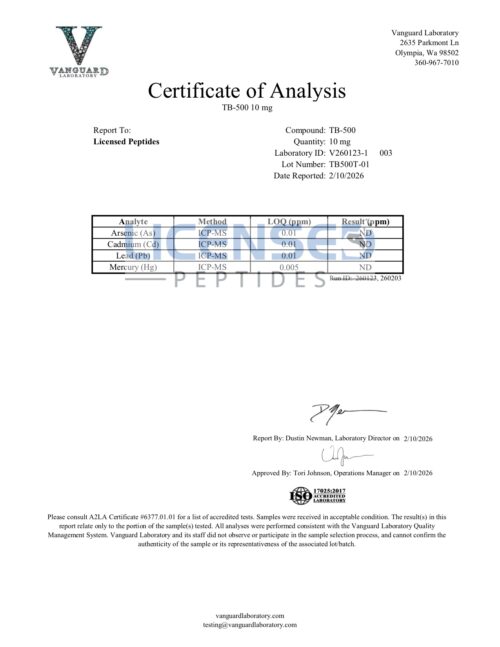
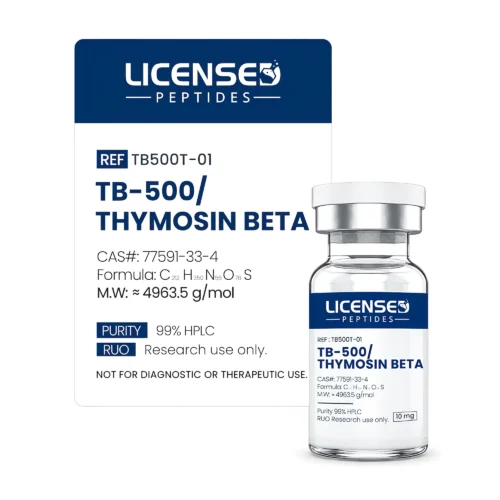 TB-500 (Thymosin Beta-4) 10mg is a laboratory research peptide used to study actin-related signaling, cellular migration, and experimental pathway responses in controlled systems. This product is supplied strictly for research use only. It is not approved or intended for human or animal use, and any discussion of biological activity refers only to preclinical or in vitro research TB-500 supplied for research applications is manufactured as a high purity, LPS-free peptide and is classified as an endotoxin-free peptide, ensuring minimal interference in sensitive experimental systems. Each batch is produced under stringent quality controls and is research peptides endotoxin tested, supporting reproducibility and reliability in in-vitro and preclinical study designs. This material is intended strictly for laboratory research and scientific investigation only. TB-500 is not intended for human or animal use, and no information herein should be interpreted as relating to therapeutic application, clinical outcomes, or direct biological benefit outside of controlled research settings.
 -
2 for 1
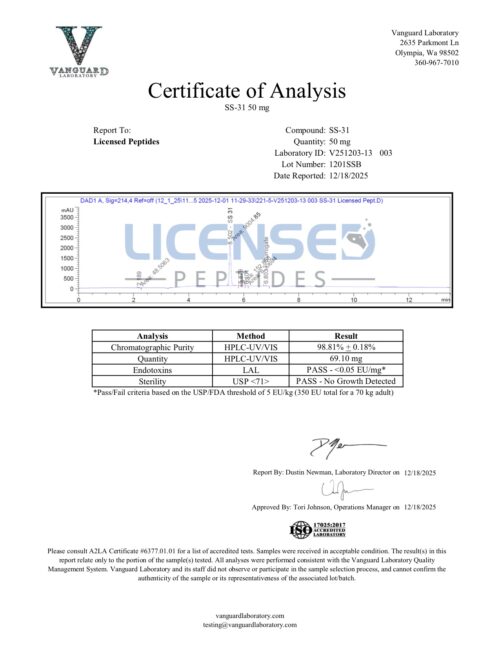
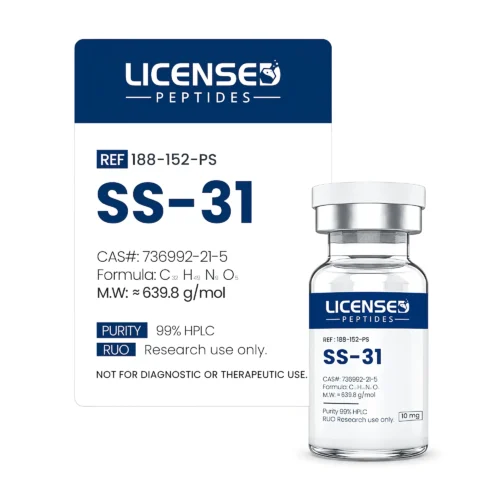 SS-31 is a laboratory research peptide used to study mitochondrial membrane interactions, cardiolipin binding, and cellular signaling pathways in controlled experimental systems. This product is supplied strictly for research use only. It is not approved or intended for human or animal use, and any discussion of biological activity refers only to preclinical or in vitro research. One of the unique aspects of SS-31 is its specific affinity for cardiolipin, a phospholipid located within the inner mitochondrial membrane that is essential for maintaining electron transport chain structure and membrane integrity. Disturbances in cardiolipin stability are commonly examined in research involving oxidative stress, mitochondrial dysfunction, and bioenergetic decline. SS-31’s ability to interact with cardiolipin has therefore made it a recurring subject in studies investigating how mitochondrial membrane condition affects broader cellular behavior. Additionally, research has documented that SS-31 may influence the production of reactive oxygen species (ROS) at the mitochondrial level. Excessive ROS production is commonly evaluated in studies on cellular stress, inflammation, and mitochondrial impairment. By focusing on mitochondria directly, rather than acting as a broad-spectrum antioxidant, SS-31 offers researchers a pathway to study targeted mechanisms of oxidative modulation rather than systemic antioxidant activity. For laboratory use, SS-31 is commonly supplied as a high-purity, LPS-free peptide, manufactured to meet strict research standards. As an endotoxin-free peptide, it is frequently utilized in sensitive in vitro and ex vivo experimental setups where contamination control is critical. Research peptides such as SS-31 are typically endotoxin tested to support reproducibility and reliability across mitochondrial and cellular research applications. This compound is intended strictly for research use only and is not approved for human or animal use.
 -
2 for 1
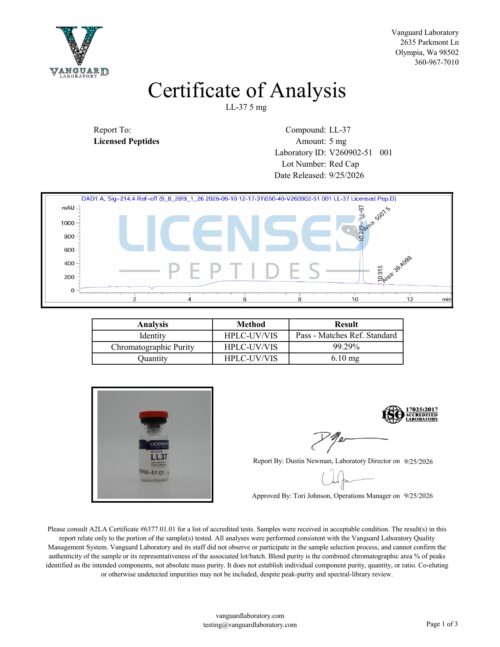
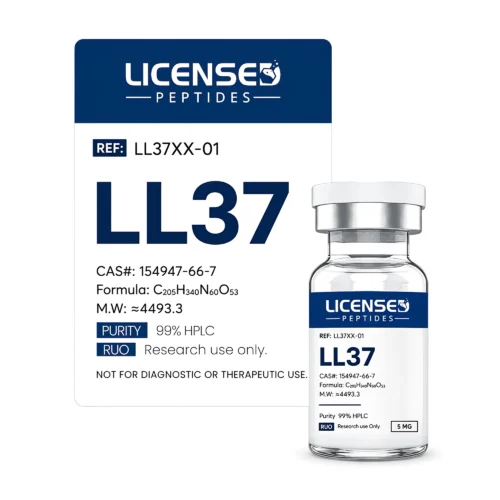 LL-37 is a 37-amino-acid antimicrobial peptide derived from the human cathelicidin precursor hCAP18. As a research peptide, it is studied for its potential roles in antimicrobial activity, immune signaling, inflammation, cell migration, and tissue repair. Its positively charged, amphipathic structure allows it to interact with biological membranes and cellular components, making it a useful subject for research in microbiology, immunology, cell biology, and peptide science. LL-37 remains an experimental research compound, and laboratory findings do not establish clinical use or safety.
 -
2 for 1
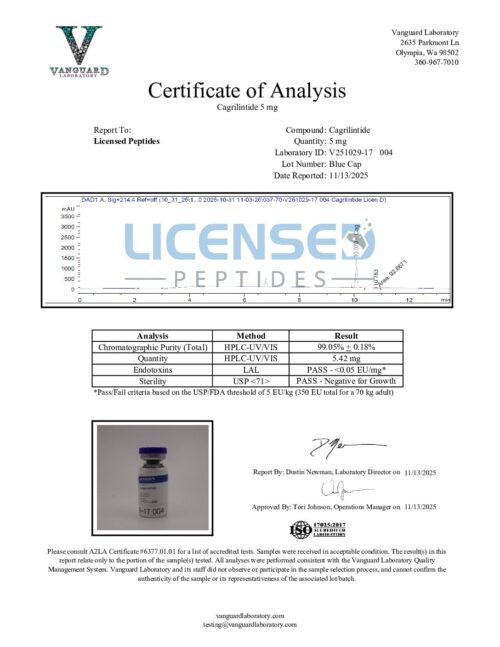
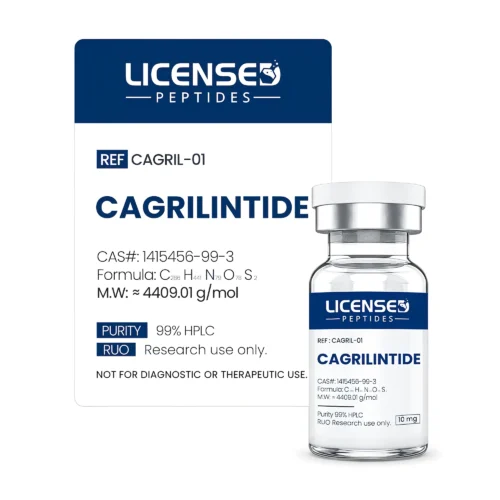 Cagrilintide is a long-acting amylin analogue currently under investigation for its potential roles in metabolic research. As a synthetic peptide modeled after the naturally occurring hormone amylin, co-secreted with insulin, Cagrilintide has demonstrated noteworthy effects in animal studies and controlled research environments. These findings have prompted increasing scientific interest in its interaction with appetite regulation pathways, metabolic signaling, and energy expenditure. While the molecule remains investigational, early data indicate that its mechanistic profile may offer multiple avenues for future study. Within experimental environments, Cagrilintide has been explored for its receptor activity, downstream signaling effects, and stability profile relative to native amylin. Research observations suggest that its extended duration of action and receptor engagement characteristics may offer multiple avenues for further mechanistic investigation. Ongoing studies continue to evaluate its role in metabolic signaling networks, peptide-receptor dynamics, and neuroendocrine communication pathways under controlled conditions. Cagrilintide supplied for research purposes is manufactured as a high-purity, LPS-free peptide and is endotoxin-free, ensuring suitability for sensitive laboratory applications. Each batch is produced under stringent quality controls and is research peptide endotoxin tested, supporting reproducibility and reliability in experimental settings where contaminant interference must be minimized. All information provided herein relates exclusively to laboratory, preclinical, or controlled research settings. Cagrilintide is not for human or animal consumption, not for therapeutic use, and is not intended to diagnose, treat, cure, or prevent any disease or condition. Its availability is strictly limited to qualified research use.
 -
2 for 1
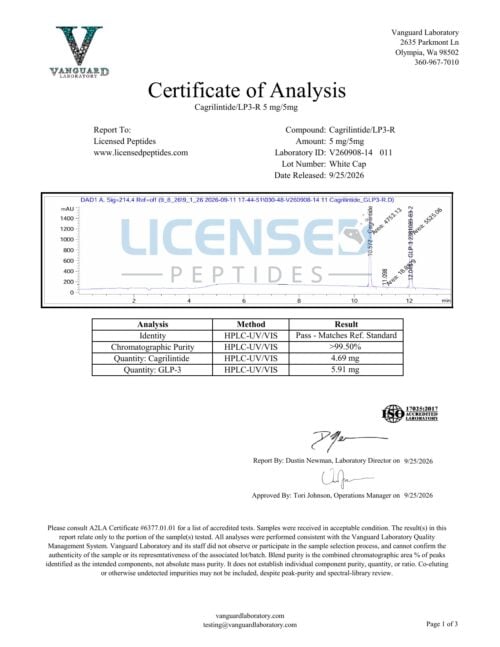
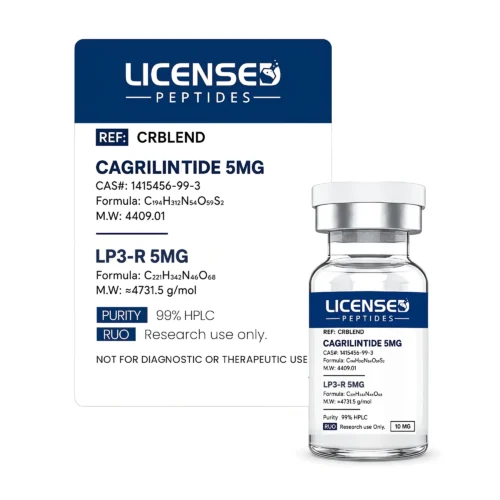
Licensed Peptides’ Cagrilintide / LP3-R Blend Product Specifications
Product Name Cagrilintide / LP3-R Blend Peptide Class Amylin Analogue + Triple Receptor Agonist Blend Composition 5mg Cagrilintide + 5mg LP3-R Per Vial Strength 10mg Total Per Vial Quantity 1 Vial — 2 for 1, second vial added free at checkout Purity 99%+ HPLC Verified Form Lyophilized Powder Manufacturing USA Facility Testing Third-Party Verified Documentation Certificate of Analysis Available Storage -20°C Long-Term Application Research Use Only Important Notice
We supply the Cagrilintide / LP3-R Blend for sale strictly for research purposes. It’s not approved for human or veterinary use. Any discussion of biological activity in relation to cagrilintide or LP3-R refers solely to analytical study, whether regarding preclinical or in vitro research. -
2 for 1
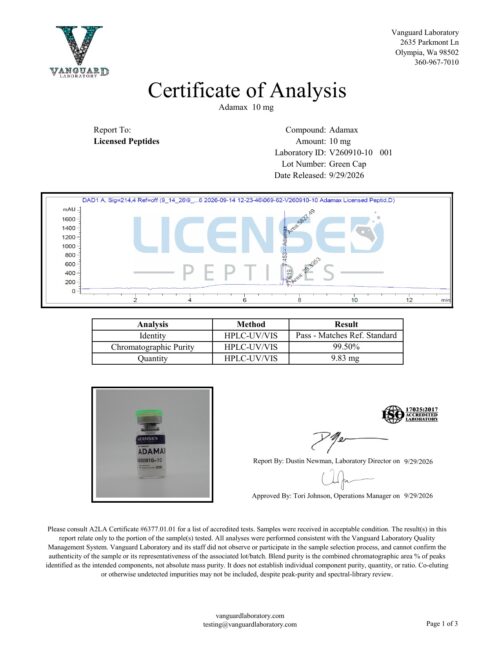
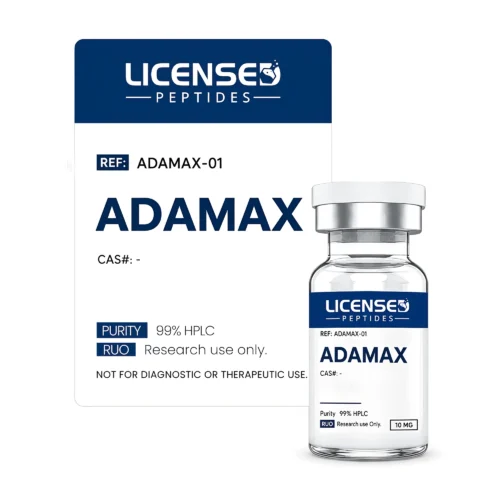 Adamax is a relatively obscure synthetic research peptide generally described as a modified analogue of Semax. It is discussed primarily in the context of experimental neuroscience and nootropic research. However, the scientific literature surrounding Adamax itself is very limited, and several sources use the name inconsistently, so its exact chemical identity should be verified against analytical documentation such as a COA and structural specification. Adamax is commonly described as incorporating modifications to the Semax peptide backbone, with an adamantane-related structural component intended to alter properties such as molecular stability and lipophilicity. These modifications have led to hypotheses that the compound may behave differently from conventional Semax, particularly with respect to enzymatic degradation and central-nervous-system exposure.
 -
2 for 1
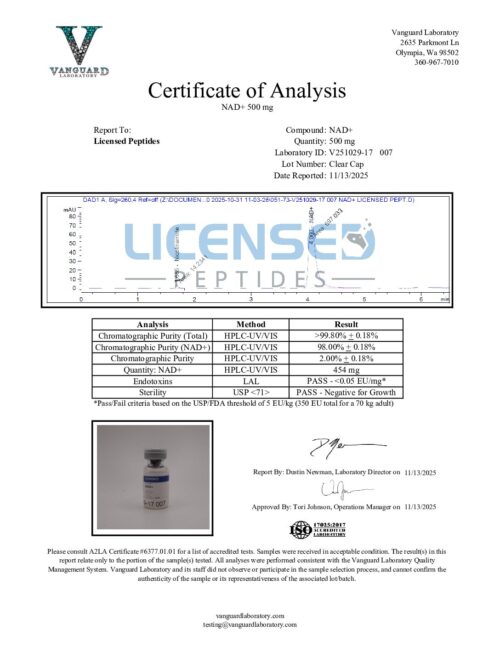
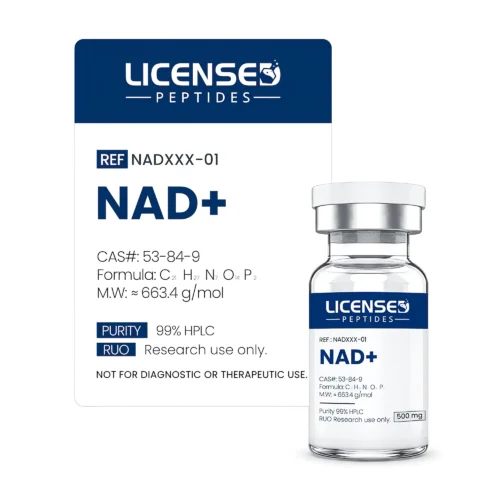 NAD+ is a laboratory research material used to study cellular redox biology, coenzyme function, and metabolic signaling pathways in controlled experimental systems. This product is supplied strictly for research use only. It is not approved or intended for human or animal use, and any discussion of biological activity refers only to preclinical or in vitro research. For experimental consistency and analytical accuracy, research-grade NAD+ materials are typically characterized by high purity, manufactured under controlled conditions, and verified as LPS-free peptide, endotoxin-free peptide, and research peptides endotoxin tested, ensuring minimal interference with sensitive cellular and biochemical assays. These quality parameters are essential for maintaining reproducibility and validity in advanced laboratory research. This material is intended strictly for research purposes only. Not for human or animal use.